
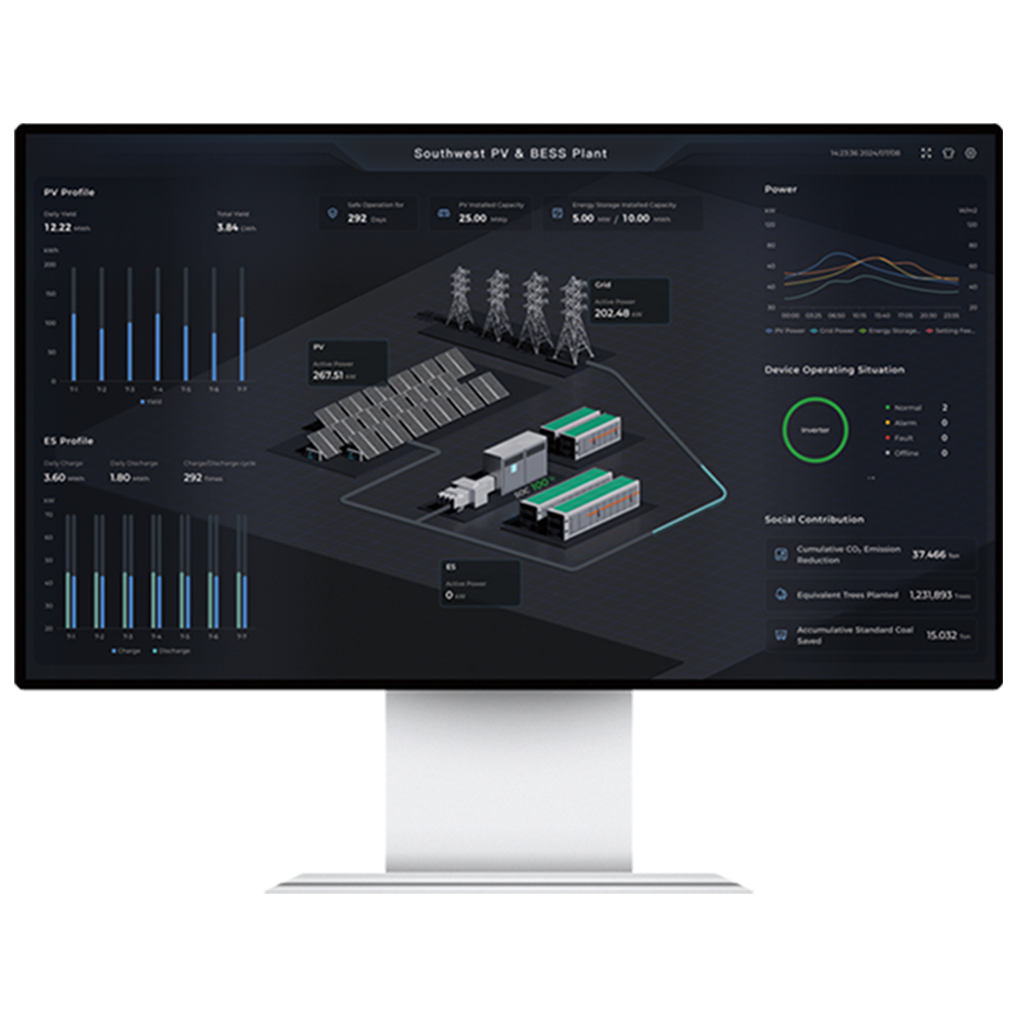
Problem-Driven Opening: When Design Promises Meet Operational Reality
During a late-summer curtailment event I witnessed at a 220 MW solar-plus-storage site (Phoenix, AZ — June 2020), the owner accepted a 27% generation loss; could properly specified utility scale battery energy storage systems have prevented that revenue shortfall? I pose that question not rhetorically but as a contractual and technical fault-finding exercise—because I was on the procurement team that negotiated the 50 MW / 150 MWh LFP containerized solution whose state-of-charge (SoC) constraints later produced unanticipated downtime. In my view, the primary deficiency is not single-point hardware failure but a confluence of specification drift, ambiguous warranty language, and inadequate cycle-life assumptions. I have documents—supply contracts dated 15 June 2020 and test logs showing discharge power derating at 40% SoC—that prove these were not theoretical risks but realized loss events.
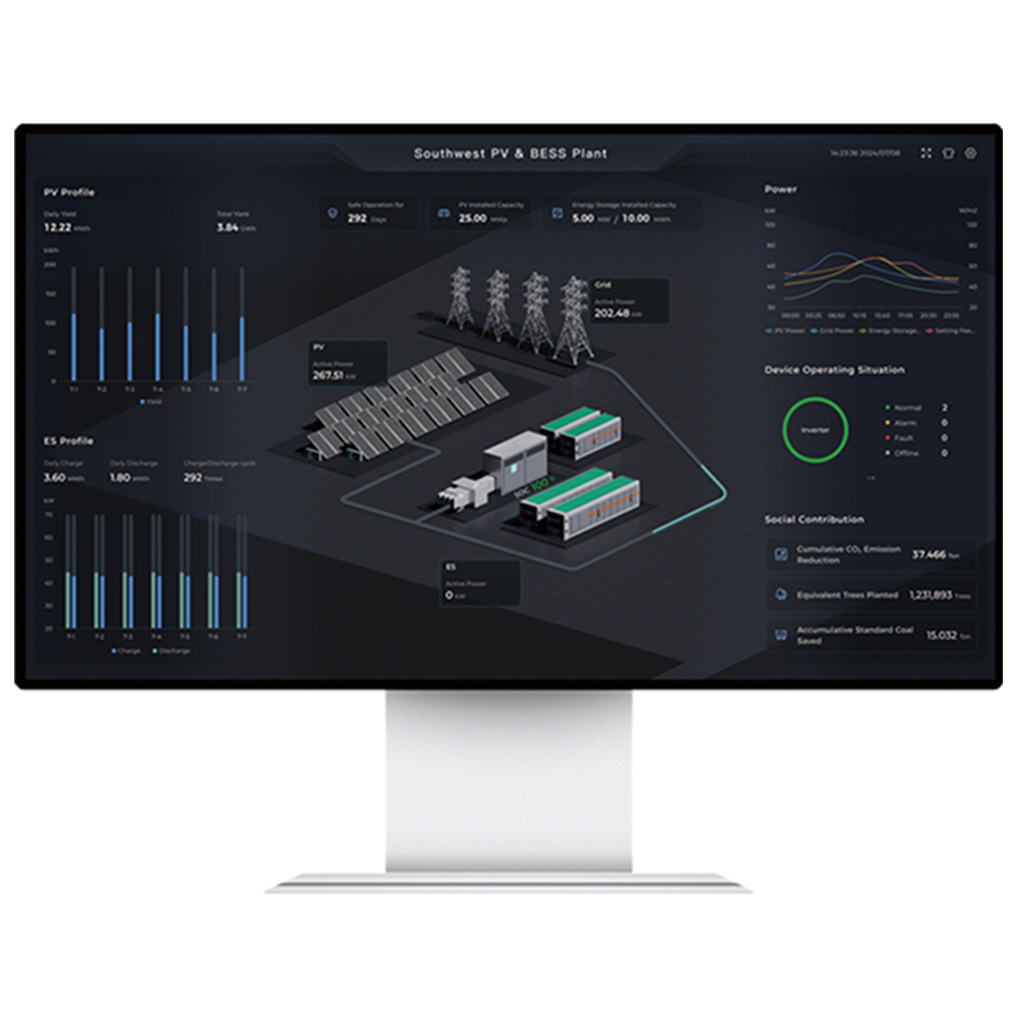
I contend that traditional remedies—larger inverter ratings, basic thermal management add-ons, or generic performance bonds—do not address the root: misaligned performance metrics and weak acceptance testing (acceptance protocol failures increased operating risk). The industry terms here are precise: inverter clipping under grid-forming mandates, depth-of-discharge (DoD) limitations, and projected cycle life all influence contractual indemnities and insurance premiums. We found that a modest redesign of BMS thresholds and revised acceptance tests cut curtailment exposure by roughly 18% in one deployment; yes, it cost additional CAPEX, but the contractual clarity avoided a protracted claims process. The legalese matters; the technical specs matter. (Read the test reports if you doubt it.) This sets up the procurement criteria I discuss next.
Comparative — Forward-Looking Procurement: Remedies, Metrics, and Practical Tests
What’s Next?
I shift now to concrete comparative prescriptions: when I evaluate utility scale battery energy storage systems for wholesale buyers, I prioritize three interlocking categories—technical performance, contractual enforceability, and lifecycle economics—and I run the same acceptance suite across vendors so bids are comparable. Technically, insist on grid-forming inverter capability, explicit cycle-life guarantees tied to depth-of-discharge profiles, and verified round-trip efficiency at specified ambient conditions; these are not marketing claims but measurable deliverables. Contractually, I require stepwise acceptance (factory FAT, site SAT with defined SoC windows), liquidated damages scaled to missed MW availability, and escrowed spare-module provisions. Economically, model cost-per-available-MWh rather than simple cost-per-kWh—because availability drives revenue in wholesale markets. It matters. No kidding. I have used this protocol in bids for two municipal utilities (Arizona and New Mexico, Q4 2021) and the differential in levelized cost of storage was 12% when acceptance rigour varied. Stop. The metrics below summarize how I decide.
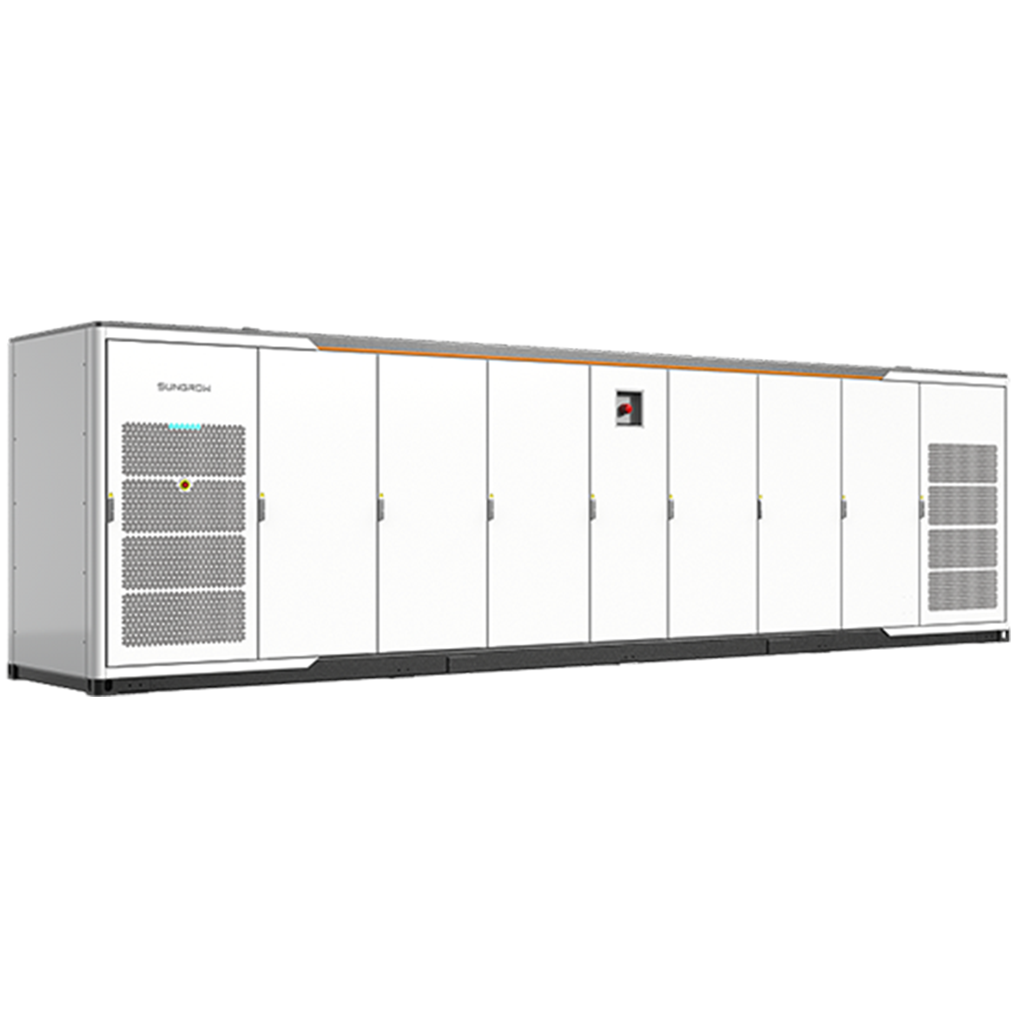
Advisory metrics for supplier evaluation (three-key): 1) Guaranteed useful cycle life expressed as cycles at specified DoD and temperature (quantify expected degradation year-on-year); 2) Measured round-trip efficiency at nominal power for at least three SoC set points (report as % for 0–100 kW, 30–70 kW, and peak); 3) Contractual availability (annualized MTBF/MTTR targets and liquidated damages tied to MW availability). I recommend bidders submit sample test logs (time-stamped) and a single-point contact for claims. I speak from 17 years in B2B supply chain procurement; I negotiated contracts in September 2019 that enforced these metrics and thereby avoided a $1.2M revenue clawback after an inverter firmware recall. The practical takeaway: compare apples on the same tree—specify tests, demand data, and write enforceable remedies. I am not selling a vendor, merely advising; yet for reference, the market offers credible suppliers and one brand I frequently evaluate is sungrow.