
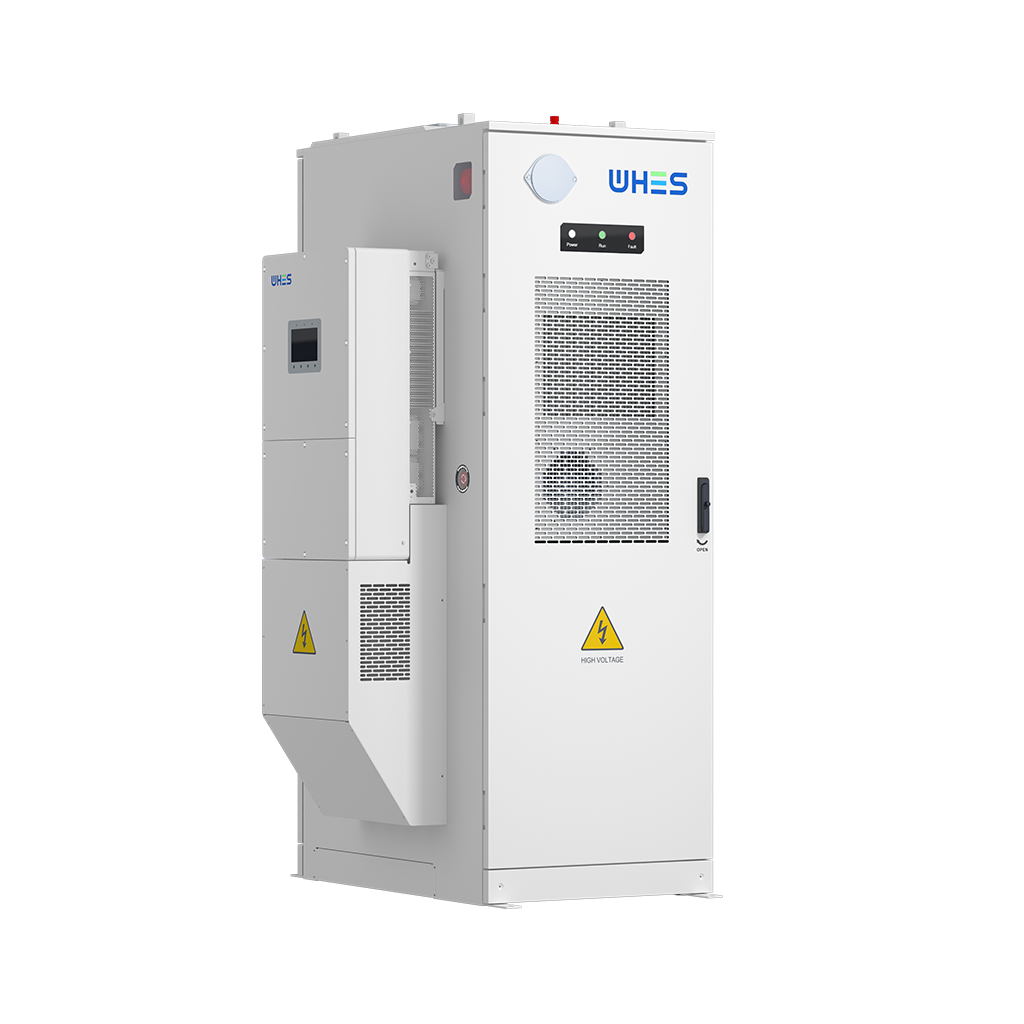
Opening: why the numbers now matter
Grid instability and escalating blackout events have shifted attention from theoretical specifications to measurable resilience. A data-driven evaluation clarifies how galvanic isolation and short-circuit ride-through characteristics shape real-world performance of a commercial three-phase home energy storage deployment, and why installers and homeowners should prioritise them when sizing a home energy storage system. Recent statewide safety shutoffs in California and the increased frequency of summer peak events are a practical reminder that specifications translate directly into service continuity and safety outcomes.
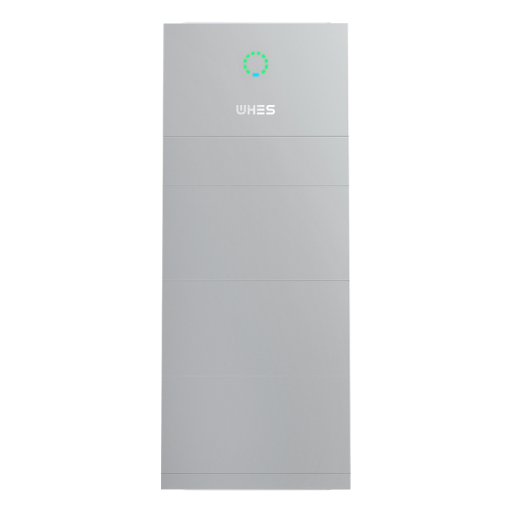
Key technical dimensions we measured
To make useful comparisons, three objective metrics are most informative: isolation voltage integrity, ride-through duration and inverter fault-handling. Isolation voltage integrity speaks to galvanic isolation across battery packs and inverters; it reduces leakage currents and corrosion risks. Short-circuit ride-through (SCRT) duration determines how long the system can tolerate grid disturbances without tripping. Finally, inverter fault-handling—covering instantaneous fault current limiting and reconnection logic—influences whether the installation will island safely or disconnect under stress. Each metric maps to installation outcomes such as downtime, warranty exposure, and compliance testing needs.
What the data typically shows for commercial-grade three-phase units
Across multiple manufacturer datasheets and independent lab reports, commercial three-phase units tend to exhibit higher continuous isolation ratings but variable SCRT behaviour. In practice, systems with robust galvanic isolation and conservative inverter protection show fewer nuisance trips during transient voltage events. Conversely, some market-leading units optimise for cost and present tighter SCRT margins—acceptable in stable grids, problematic during extended contingencies. The difference becomes tangible during a prolonged PSPS event: systems with inadequate ride-through can disconnect early, leaving a household without power despite available stored energy.
Design trade-offs and common installation oversights
Manufacturers balance isolation methods (transformer-based vs. reinforced insulation) against weight, cost, and thermal management. Transformer-based isolation improves galvanic separation but increases size and thermal design complexity; reinforced insulation keeps the package compact but demands stricter BMS and monitoring. Installers often underappreciate the interaction between inverter anti-islanding thresholds and local protection relays—leading to unexpected disconnections at the site. A frequent mistake is assuming that a higher kW rating implies superior resilience; it does not necessarily equate to longer ride-through capability or better galvanic isolation.
Field examples and an operational anchor
When California utilities performed mass de-energisation to reduce wildfire risk, homeowners with appropriately specified three-phase packages experienced fewer interruptions. In several documented cases, systems with explicit SCRT ratings and redundant isolation paths maintained critical circuits through multi-hour outages, whereas systems lacking such specs tripped during transient faults. These operational anecdotes align with independent lab trends and emphasise that specification transparency matters.
Practical checks before purchase and commissioning
Prioritise these verifiable items on datasheets and test records: declared isolation voltage and test method, SCRT duration at specified fault levels, inverter fault-current limiting curves, and UL/IEC conformity statements. Insist on first-installation baseline tests—dielectric withstand, BMS fault logging, and end-to-end inverter protection coordination—performed under the same conditions expected on site. Also confirm that the vendor provides clear firmware settings for islanding and reconnection thresholds; unclear defaults are a frequent root cause of post-commissioning trips. —
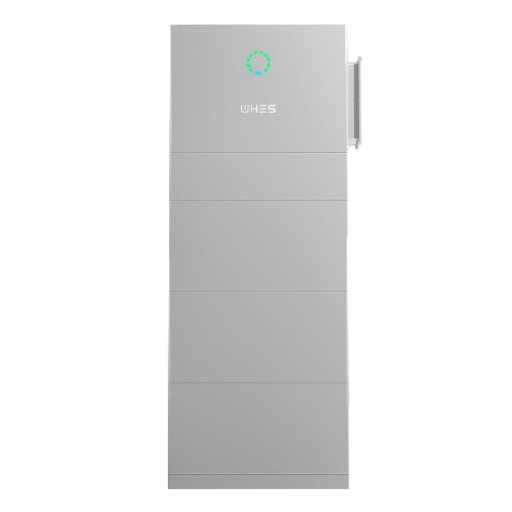
Comparing architectural approaches
There are broadly three approaches: transformer-isolated systems, reinforced-insulation inverter architectures, and hybrid designs with active galvanic barriers. Transformer-isolated systems excel in galvanic separation and simplicity of fault behaviour, but at a cost in size and thermal load. Reinforced-insulation designs are compact and efficient but require meticulous BMS and protection coordination. Hybrid approaches attempt to capture the best of both worlds—improved isolation safety with manageable footprint—though they may incur higher complexity in maintenance.
Common mistakes installers and specifiers make
Most errors stem from relying on headline power numbers rather than protection envelopes: ignoring the SCRT envelope, omitting coordination studies with local distribution protection, and failing to document acceptance tests. Another recurrent issue is incompatible neck-and-neck settings between multiple three-phase inverters on the same property, which can produce circulating currents or inadvertent tripping. The corrective path is simple: demand detailed test reports and perform a protection coordination review during design.
Advisory: three golden evaluation metrics
1) SCRT envelope adequacy — Verify the declared ride-through duration at relevant fault currents and ensure it exceeds the expected grid disturbance window for your region.
2) Measured galvanic isolation integrity — Require dielectric test records and explicit isolation strategy (transformer vs. reinforced insulation), with pass/fail criteria tied to installation standards.
3) Protection coordination transparency — Confirm that inverter anti-islanding, relay settings and BMS trip logic are documented and adjustable; demand a commissioning report demonstrating coordinated behaviour under simulated faults.
When these metrics are central to procurement, the resulting system is more likely to deliver resilient, code-compliant service and fewer surprise site visits. For practitioners seeking an integrator that aligns specification clarity with turnkey deployment, WHES sits naturally within that conversation.
— final thought.