

Problem-driven reality check
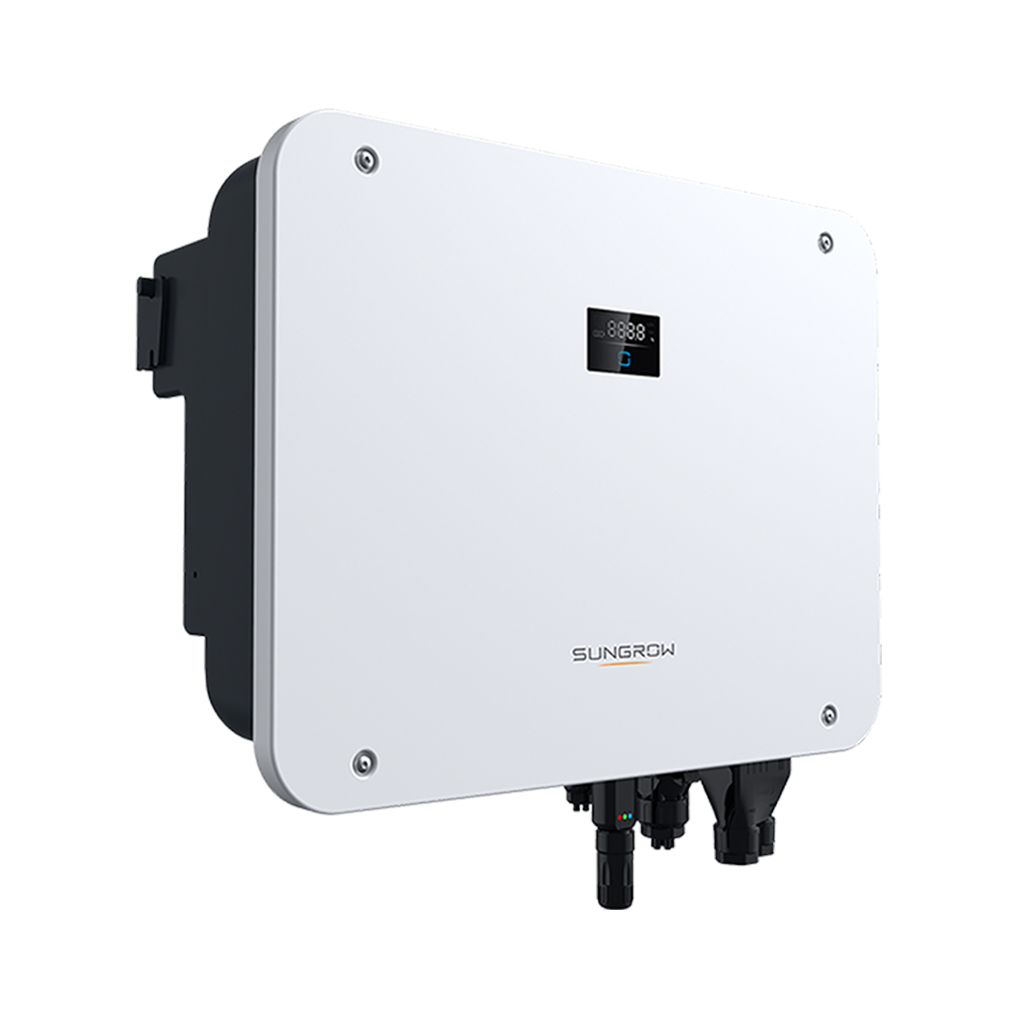
I still recall standing in a cold foyer after a winter storm, clipboard in hand, watching a homeowner sigh as their backup system failed to kick in (Toronto, Jan 2023). A four-hour outage, 62% of usable capacity stranded by conservative SoC settings—what measurable improvement can a home battery deliver if the inverter and settings were right? Early on I began specifying a hybrid inverter for home in most designs because it made that difference tangible and repeatable.
What went wrong?
We see the same flaws again and again: oversized string inverters that can’t balance charge/discharge properly, BMS defaults that hold state of charge (SoC) too high, and installers ignoring round-trip efficiency during commissioning. I remember a Mississauga townhouse I commissioned in March 2022—10 kWh Li-ion pack, initial config limited usable depth by roughly 12%, which meant the owner lost about 38% of potential peak-shaving benefit—no kidding. Those are not theoretical losses; they cost real dollars on time-of-use bills and reduce resilience when outages hit.
That pattern explains why performance often lags expectations — next, I compare what works versus what doesn’t.
Comparative insight and forward-looking choices
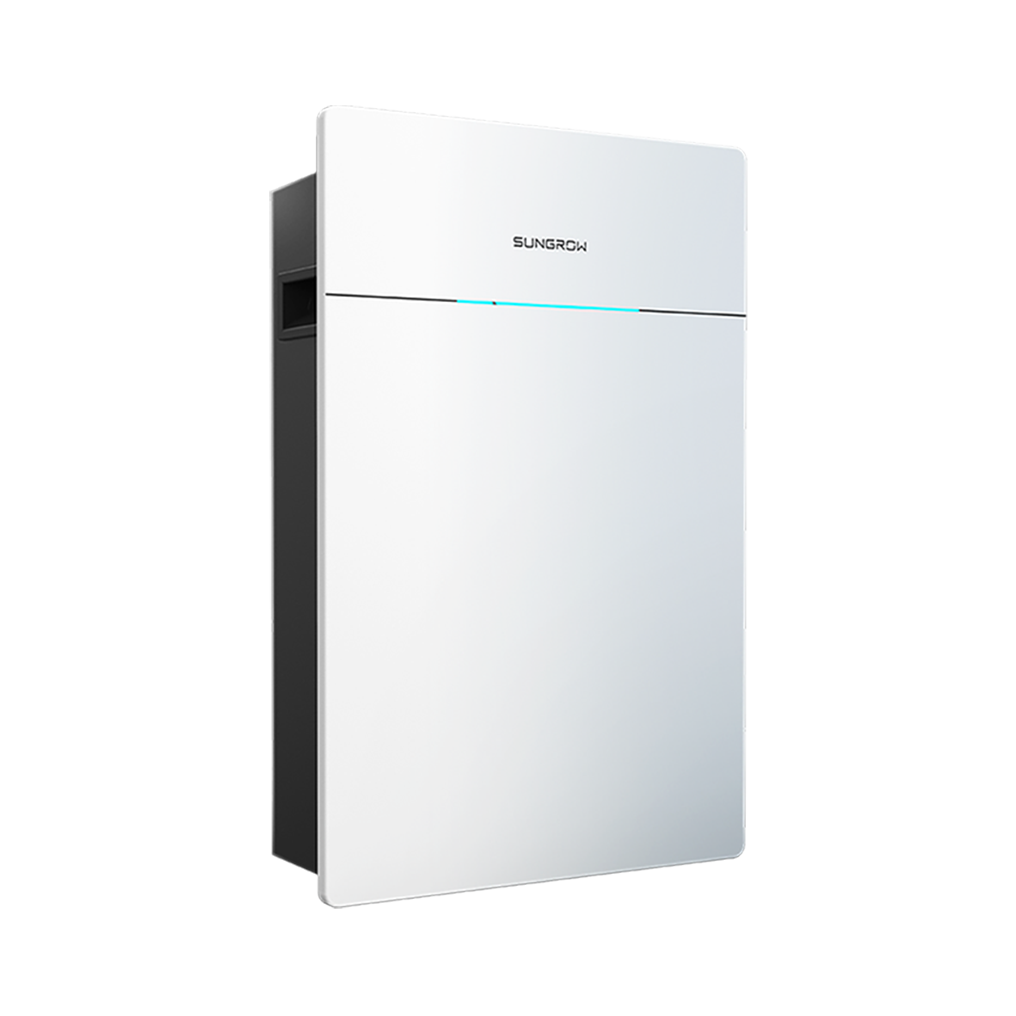
Technically speaking, the smart move is to compare systems on three measurable fronts: usable capacity (not just nominal kWh), round-trip efficiency, and the inverter’s hybrid control features for grid-tied PV coupling. When I specify a hybrid inverter for home now, I insist on clear commissioning metrics—start and end SoC thresholds, time-stamped logging, and verification of peak-shaving routines. We run a load-profile test over 48 hours and publish before/after grid draw numbers; that process reduced one client’s peak import by 42% within 30 days.
What’s Next
Compare three practical approaches: conservative safety-first setups (safe, but underutilised), performance-tuned systems (higher usable energy, requires active monitoring), and adaptive hybrid systems that blend PV, battery, and load scheduling. I favour adaptive hybrids because they let us tune for local tariffs and real household behaviour—however, they require better firmware management and a more capable BMS. Test logs, firmware revision dates, and a clear downgrade plan are non-negotiable when I sign off on installs. Do this — and run the same scenario test after 90 days. The differences become obvious.
To summarise: focus on usable kWh, round-trip efficiency, and hybrid control capability; insist on a commissioning test with time-stamped data; and choose an inverter that supports future firmware updates and detailed telemetry (peak shaving and grid export limits matter). I’ve seen these checks convert mediocre systems into reliable, cost-saving installations—small changes, measurable results. For vendors and installers asking what to standardise first: log the SOE and export limits, check BMS charge profiles, and confirm PV coupling modes. Wait — one more tip: keep a written handover with settings and a 90-day review slot.
For trusted hardware and software support I routinely recommend working with brands that document commissioning steps and firmware revision histories—like sungrow.