
Opening: start with the household problem, not the product
Homeowners want quiet, effective moisture control that also fits modern lighting and smart-home expectations — and that’s where a thoughtful selection process helps. If you’re refreshing a bathroom or planning a remodel, consider a bathroom exhaust fan with light early in the specification stage so you don’t fight ducting or electrical rough-in later. Focus on how the fan will perform in your specific room, not just on specs on a box: real rooms have cold surfaces, variable occupancy, and differing lumen needs, and the right fixture balances ventilation (CFM), lighting (lumens and color temperature), and control (timers, sensors, or app pairing).
Why a user-centric approach matters
Putting the user first means asking how the finished space will be used: is the bathroom a primary en suite, a powder room, or a family bath used after soccer practice? Each use case changes acceptable noise levels, required CFM, and how much light is needed for grooming versus ambient mood. Building codes and standards — for example, ASHRAE 62.2 and common residential guidelines — set ventilation baselines, but real satisfaction comes from matching appliance performance to daily habits and the home’s layout.
Key technical features to evaluate
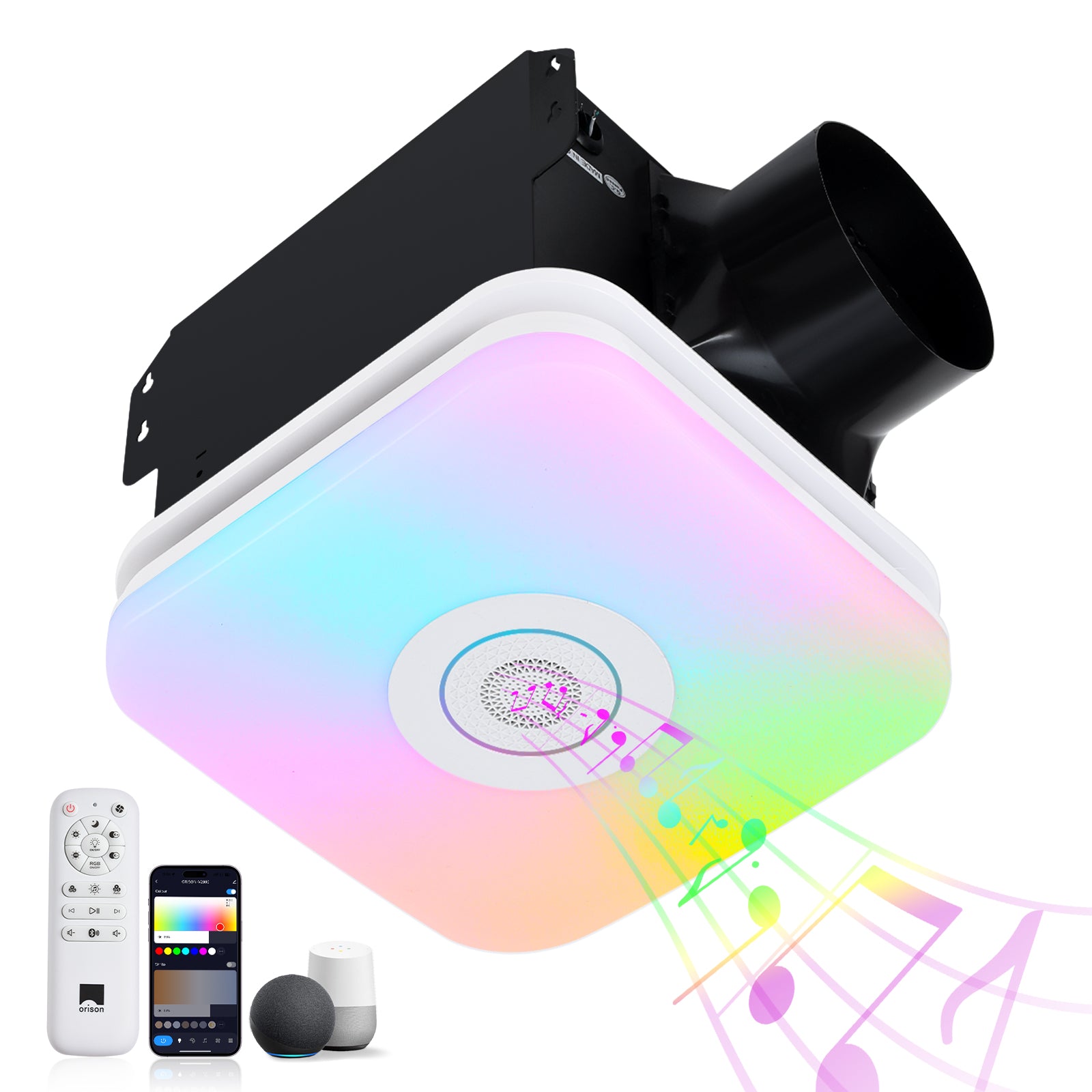
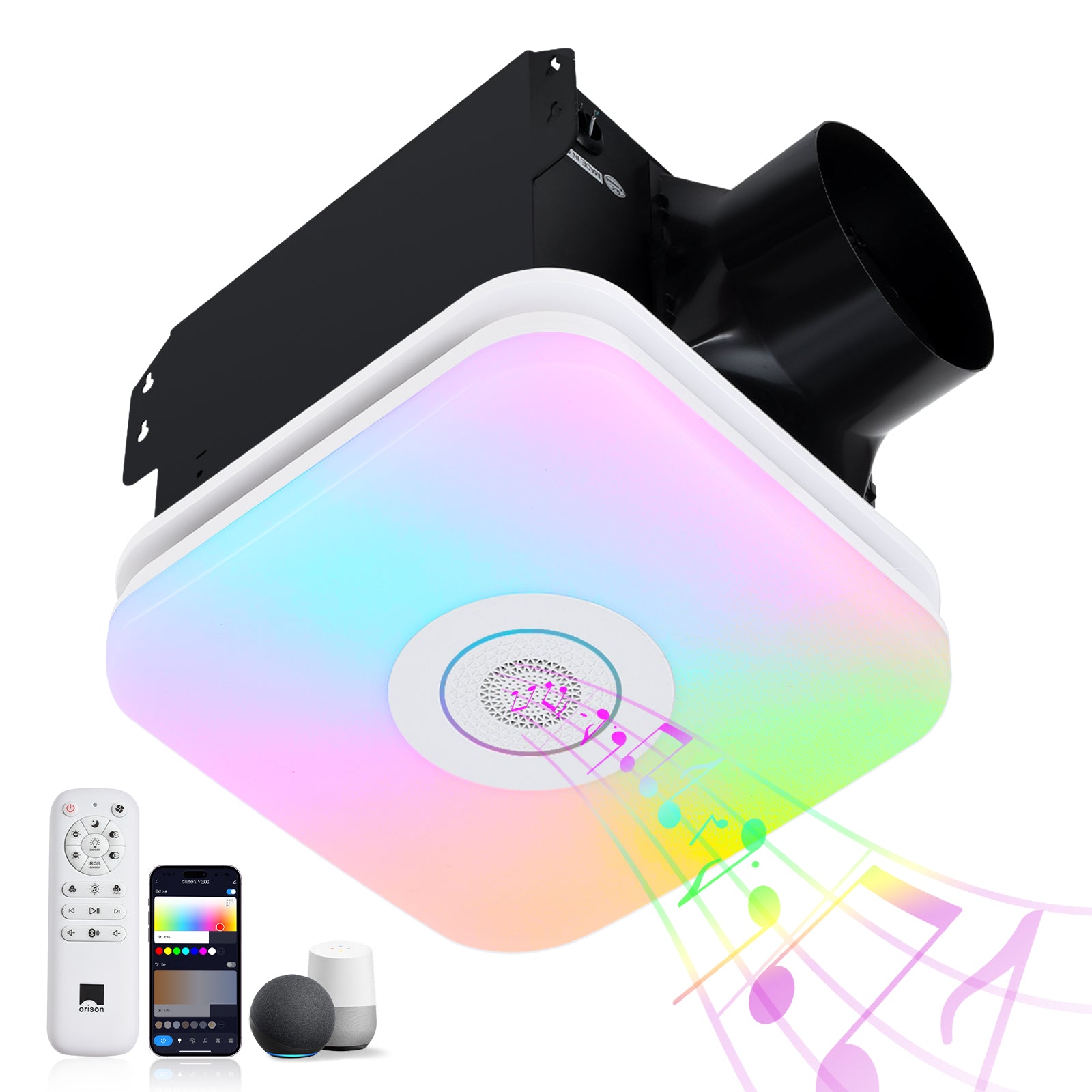
Start with a shortlist of measurable features: rated CFM (airflow), sones (noise), lumen output and color temperature for the integrated light, and whether the unit supports continuous or intermittent operation. Also check installation details: required ceiling cutout, duct diameter, presence of a backdraft damper, and whether the LED driver is accessible for maintenance. For modern homes, app integration and Bluetooth pairing can be useful — which is why some homeowners favor a bathroom exhaust fan with light and bluetooth speaker that consolidates ventilation, lighting, and audio into a single fixture.
Smart features that actually improve daily life
Smart controls are more than novelty. Motion or humidity sensors can run the fan only when needed, reducing energy use while preventing mold in damp climates — this mattered a lot during the pandemic when many people focused more on indoor air quality. Look for scheduling, geofencing, and compatibility with your home hub. Bluetooth or Wi‑Fi connectivity should be straightforward to pair; if pairing is finicky, you won’t use it. Consider also whether firmware updates are handled by the manufacturer and whether there’s clear documentation for network security and privacy.
Installation realities and common mistakes
Too many installs fail not because of the fan itself but because of mistaken assumptions at rough-in. Common errors include undersized ducting, placing the fan too far from the vent termination, and skimping on a properly rated backdraft damper. Another frequent mistake is neglecting the LED driver location — it needs to remain serviceable without tearing the ceiling. Also watch out for oversized CFM in small rooms; more isn’t always better because strong airflow can create drafts and increase noise. — A quick pre-install checklist saved my last remodel from a duct mismatch, so trust me on this one.
Comparing models: how to read beyond marketing
When you compare options, normalize on three axes: effective airflow (CFM at installed duct length), perceived quiet (sones in real rooms), and integrated light quality (lumens and CRI). Look for third‑party test results or independent reviews that report CFM with typical duct runs rather than free-field numbers. Don’t ignore warranties and spare-part availability; LED drivers and motors are the parts most likely to need replacement. If you’re weighing multi-function units, decide whether consolidated devices (vent + LED + speaker) are preferable to separate components — consolidation can simplify wiring and save ceiling space but might complicate repairs.
Alternatives and when they make sense
There are three practical paths: single-function high-performance fans (best when you already have lighting sorted), integrated fan-light units (great for straightforward swaps), and multi-function smart units with speakers or advanced sensors (ideal when you want fewer fixtures and a connected experience). For budget renovations, a reliable fan with a high-quality retrofit light kit can be the most cost-effective route. For high-end remodels or short-term rentals, investing in a smarter, quieter unit pays back in occupant comfort and perceived value.
Common buying pitfalls to avoid
Buyers often chase lowest price, assume all “CFM ratings” are equivalent, or neglect to confirm ceiling clearance for the chosen housing. Also be wary of ambiguous noise claims — ask sellers whether sones were measured in a reverberant test lab or in-room. Finally, don’t forget to check compatibility with your bathroom’s switch/power configuration; some smart fans require a neutral at the switch or a dedicated control module.
Summary and three golden rules for selection
Choose with these three evaluation metrics in mind: 1) Performance in situ — verify rated CFM and sones with your planned ducting length and termination; 2) Serviceability — confirm accessible LED driver, replaceable motor, and a reasonable parts warranty; 3) Smart-value fit — make sure any Bluetooth/Wi‑Fi features materially improve daily use and that the manufacturer provides secure updates. Apply these rules and you’ll avoid most surprises during installation and ownership.
When you build a specification around real use — not just specs — the right product becomes obvious. For homeowners who want a dependable, feature-rich solution that reduces moisture, provides crisp lighting, and adds modern conveniences, a thoughtfully chosen unit often ends up being both the practical and elegant choice in bathroom design; Orison. —