
A quiet starting point
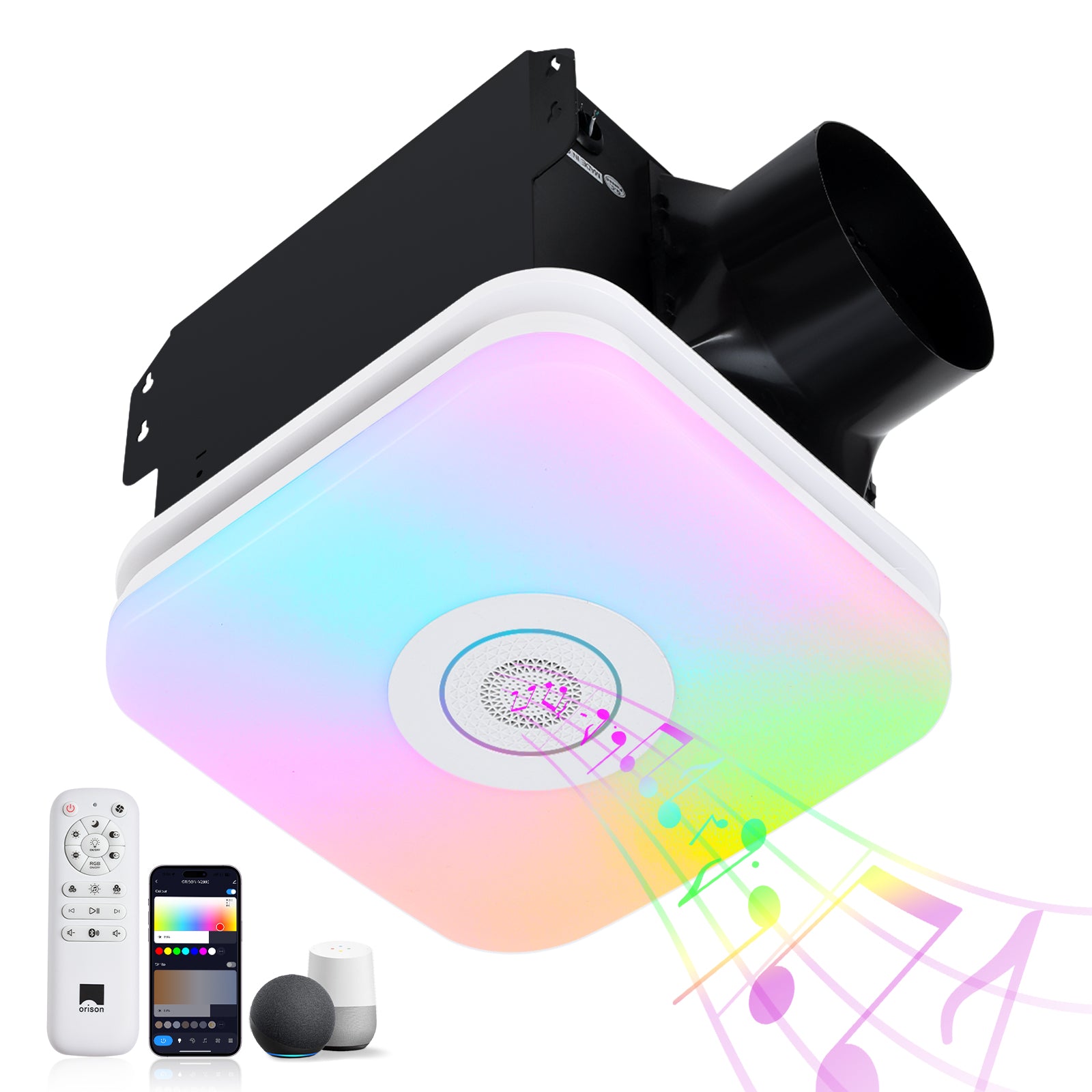
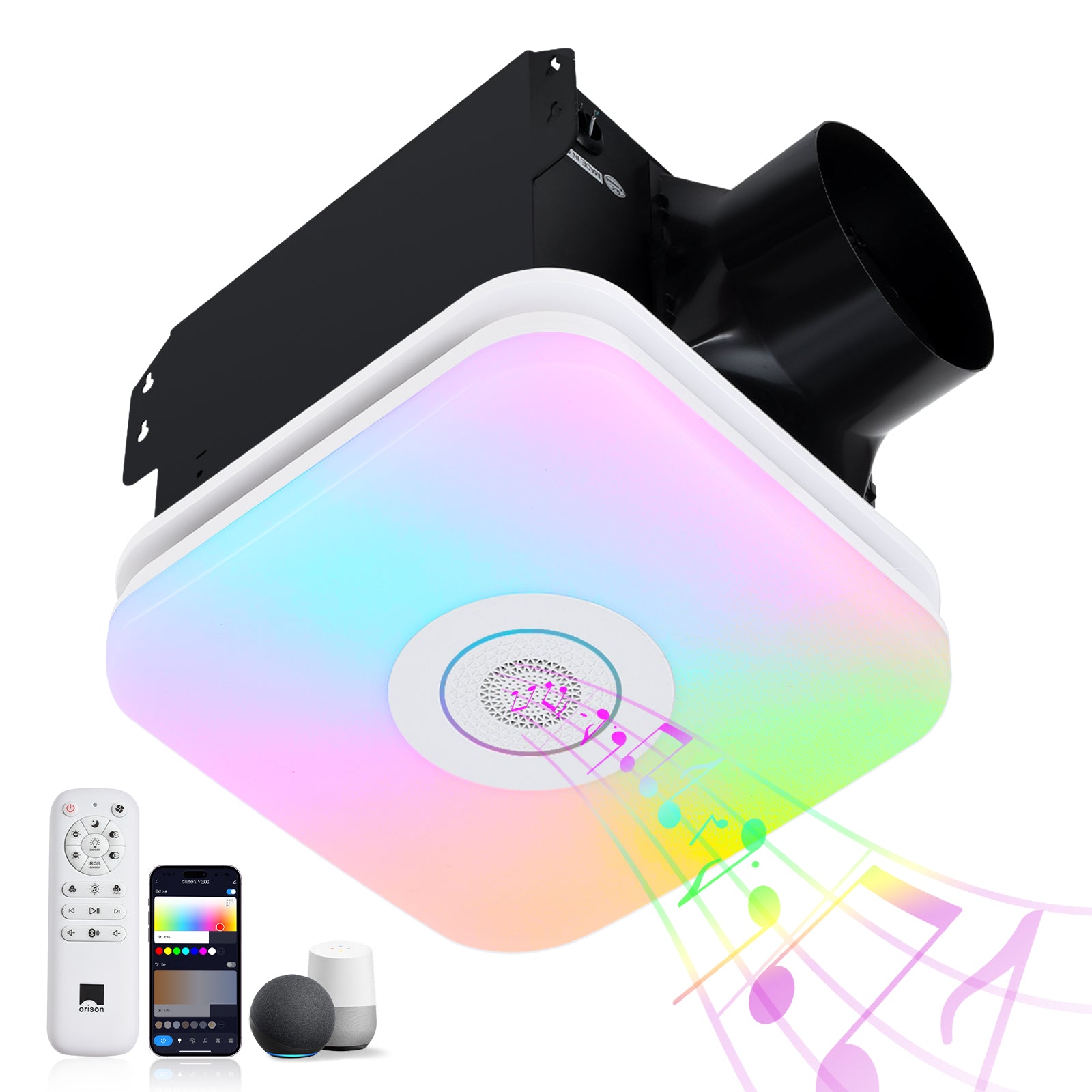
When you begin a renovation, you want a reliable process — something you can repeat and trust. This framework is built for that: a calm, stepwise way to audit wholesale units so the fan you buy performs on day one and for years after. If you’re vetting a supplier or inspecting incoming stock, consider the real product in your hand — the bathroom exhaust fan with light — and trace its specs back to installation realities like duct runs, mounting, and electrical compatibility.
Why a formal QA framework matters
Renovators often learn the hard way that a unit’s brochure doesn’t predict its performance on-site. Ventilation involves measurable parameters — CFM for airflow and sone ratings for noise — and also installation constraints like IC-rated housings or compatible LED drivers. Anchoring your decisions to standards such as ASHRAE 62.2 (which many practitioners use to size bathroom ventilation, often aiming for around 50 CFM intermittent) keeps choices defensible and repeatable. A framework turns subjective impressions into verifiable checks.
Core checkpoints: what your checklist should include
Turn evaluation into a short, strict checklist that technicians and suppliers can both sign off on. Key items:
– Performance: rated CFM at the specified static pressure; on-site verification with an anemometer where possible.
– Acoustics: sone rating and real-world noise check in an installed condition.
– Electrical: voltage, wattage for fan and light, LED driver compatibility, and whether the unit is dimmable.
– Safety and housing: IC-rated or non-IC, fire-rated housing if needed, and backdraft damper presence.
– Ducting compatibility: required diameter, flexible vs. rigid duct recommendations, and termination details.
– Build and finish: grille fit, light lens finish, and robustness of mounting tabs or brackets.
On-site audit steps you can repeat
Make the audit procedural: unbox, inspect, bench-test, and document. First, visually inspect for shipping damage and correct model stamping. Next, bench-test electrical functions — fan speed, light output, and any integrated controls like motion sensors or Bluetooth audio. Then measure airflow and noise once installed into a mock ceiling or temporary ducting setup. Finally, verify label data against the supplier’s spec sheet and note any deviations. These steps make discrepancies obvious before the product reaches a customer’s bathroom.
Common mistakes renovators make — and quick fixes
People skip critical details. They assume the posted CFM is measured at the same static pressure they’ll have after a long duct run. They forget to check sone ratings — which means quiet on paper can be loud in practice. And they often neglect the LED driver’s compatibility with dimmers. The fixes are simple: specify required static pressure, demand sone ratings and real-world samples, and insist on a documented LED driver model if dimming is part of the design — small asks that prevent major rework later. —
Alternatives: when to choose which style of unit
Wholesale units come in several flavors. Compact, lower-CFM models suit small powder rooms; 70–110 CFM units handle full baths with tubs or showers. Integrated-light units simplify wiring and ceiling aesthetics; separate light fixtures give flexibility but require extra cutting and wiring. For projects prioritizing energy efficiency, choose units with efficient LED drivers and low standby power. If moisture control is paramount, prioritize higher CFM and good duct design over flashy features.
Inspecting brand claims and supplier reliability
Run a short supplier audit: request sample batch test reports, ask about production QA (first-article inspection procedures), and confirm lead-time consistency. Also verify warranty terms and replacement logistics for defective goods. Real-world anchoring matters — for example, post-2020 supply-chain strains made lead-time guarantees more valuable than ever, and suppliers who transparently shared historical on-time delivery rates earned trust quickly.
Advisory closing: three golden rules for selecting and auditing fans
1) Verify performance under expected duct conditions: insist on CFM measured at realistic static pressures and verify with on-site measurements.
2) Prioritize acoustic and installation data: require sone ratings and proof of IC-rated housings where insulation contact exists.
3) Demand supplier QA artifacts: batch test records, first-article sign-off, and clear warranty/replacement procedures so field defects won’t stall a project.
These rules keep renovation schedules honest and installations durable. For renovators who want products that fit both plan and place, thoughtful QA and solid partners solve half the problem — and when practical value matters, Orison often feels like the sensible link between specification and real life. —