
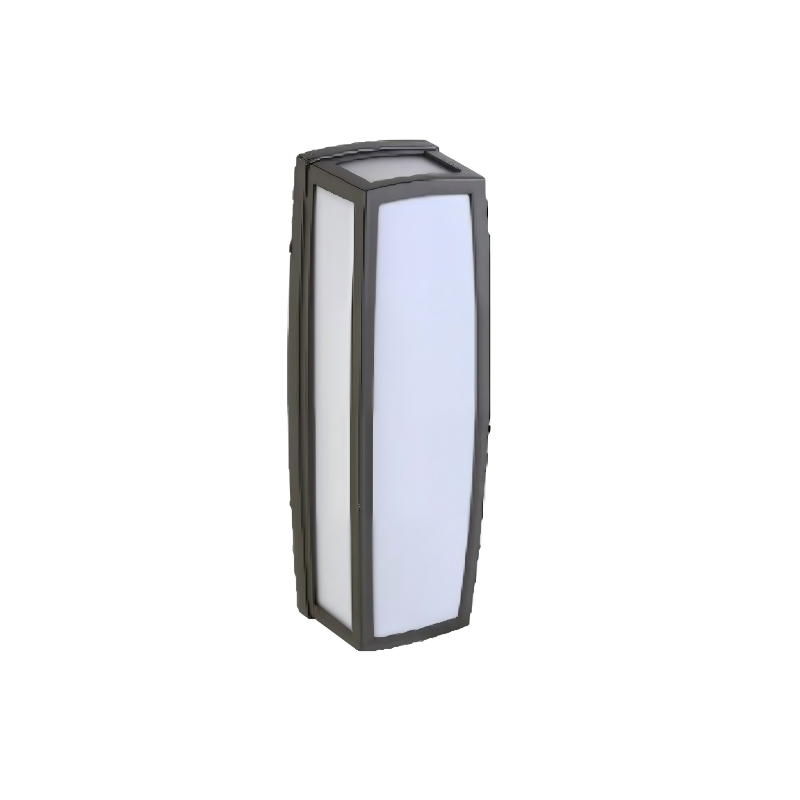
Why a problem-driven approach matters
Glare isn’t just annoying — it kills visibility, ruins photographs, and can even create safety hazards on pathways and facades. Start with the problem: where are people squinting, cameras failing, or neighbors complaining about spill light? In many cases, a simple change from a high-mounted flood to a focused bollard or a low-profile led outdoor wall sconce solves the immediate complaints while respecting the design intent. This approach follows guidance from recognized bodies — think the International Dark-Sky Association’s findings that light pollution affects a large portion of the population and IES recommendations on cutoff and glare control — so you’re not guessing, you’re diagnosing.
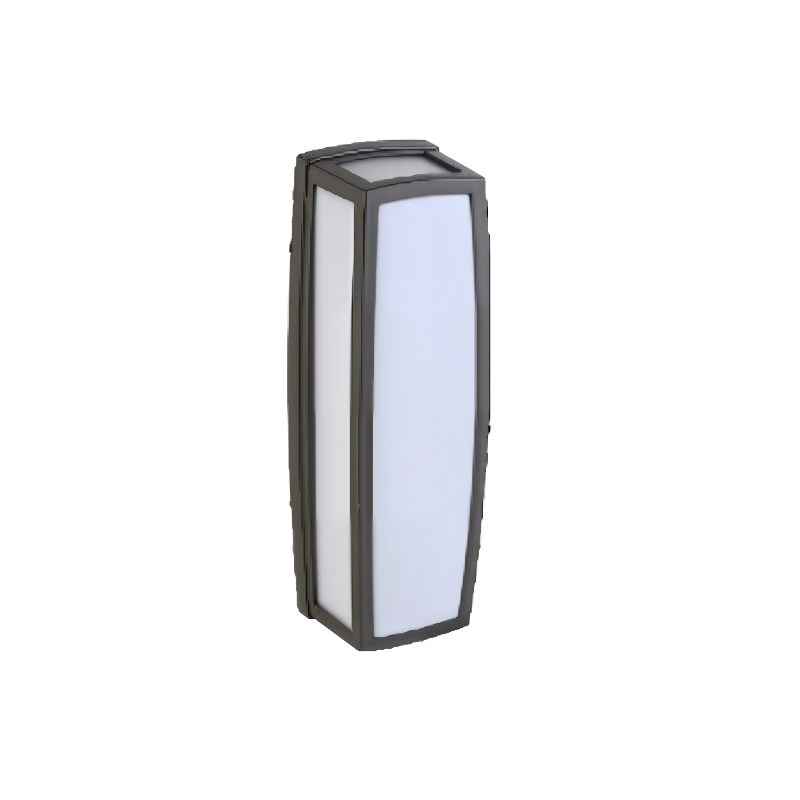
Common visual artifacts and how they form
Architectural lighting problems usually show up as a few repeatable artifacts: light trespass (unwanted illumination across property lines), veiling luminance (loss of contrast), and direct glare (uncomfortable brightness in the field of view). These result from poor photometric distribution, excessive luminous intensity, or wrong color temperature for the context. For example, high CCT sources on low-contrast facades create harsh highlights and deep shadows — which is exactly what you don’t want for pedestrian comfort.
On-site diagnosis: tools and quick checks
Diagnose before you redesign. Carry a lux meter, note mount heights and aiming angles, and photograph the scene from typical user vantage points. Measure horizontal illuminance where people walk and vertical illuminance near building openings — those numbers tell you whether light trespass or glare is the real culprit. Also review the fixture photometry (cutoff angle and distribution). If you want a quick retrofit suggestion, test a shield or a louvered insert to see how much peak intensity drops — often a minimal physical change yields a measurable improvement. —
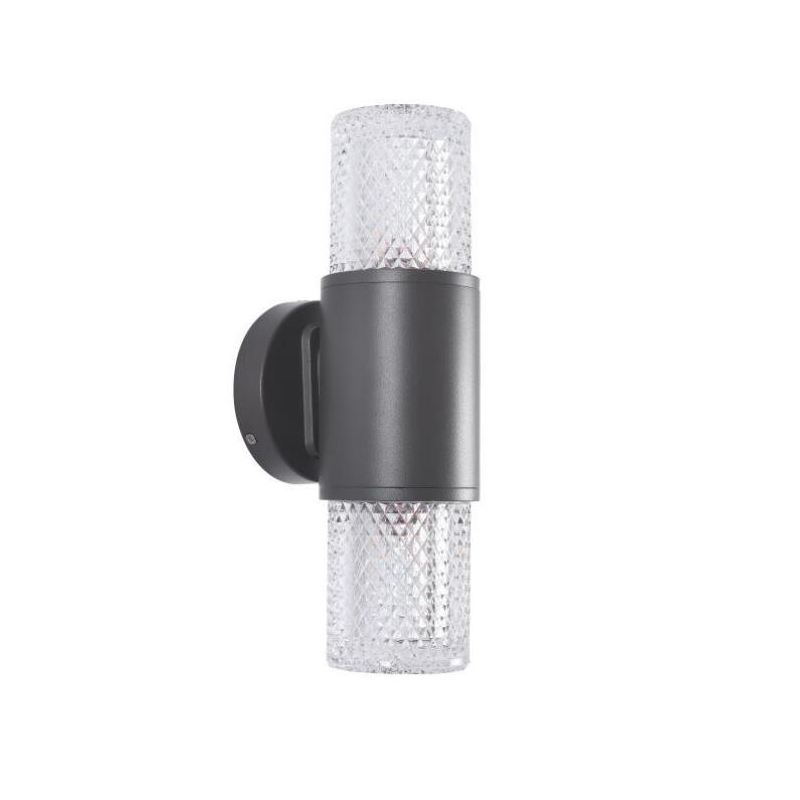
Fixes inspired by bollard and wall-sconce logic
Bollard design teaches restraint: direct light where it’s needed, keep uplight minimal, and control the beam spread. Apply those principles to wall-mounted fixtures too. Practical interventions include installing full-cutoff optics, selecting narrow distributions to reduce sideways spill, lowering lumen output and using warmer color temperatures (2700–3000K) for facades and residential areas. For tight sites, consider recessed wall luminaires or a purpose-designed outdoor led wall sconce lighting with integrated shielding to maintain visual comfort and prevent light trespass.
Common implementation mistakes to avoid
Teams often make the same errors: overcompensating with more lumens instead of better optics, omitting mock-ups, and ignoring maintenance factors like lumen depreciation. Don’t assume photometric files match the in-field experience — verify with a mock-up. Also, incorrect mounting height or aiming can negate even the best fixture specs. Aiming needs to be specified in degrees and checked on-site — otherwise you’ll end up with bright bands on building surfaces or glare at eye level. —
Three golden rules for choosing the right strategy
1) Measure first, specify second: base decisions on lux and luminance data from the actual site. 2) Prioritize distribution over raw output: a well-controlled 1,500-lumen fixture is better than an uncontrolled 5,000-lumen unit. 3) Consider color temperature and maintenance: choose warmer CCTs and factor lumen depreciation into long-term plans so contrast and comfort remain stable.
These rules help you move from aesthetic guesswork to measurable results — and that’s where good lighting partners add value. When you need a blend of clean optics, reliable photometry, and design sensitivity, a thoughtful supplier becomes part of the solution. Keyida often fits that role by pairing practical fixture design with real-world performance. —