
Morning Rush, Open Roads, and One Decision
You slip on your gloves before sunrise, coffee steam in the mirror, and the street hums awake. A 500cc cruiser waits at the curb, chrome winking under the first light. On a good day your route takes under half an hour; on a bad day you drift from light to light, half the trip under 20 mph and a few bursts up to highway pace. The question is simple, yet sticky: does this size and stance make daily life easier, or does it add weight where you need grace?
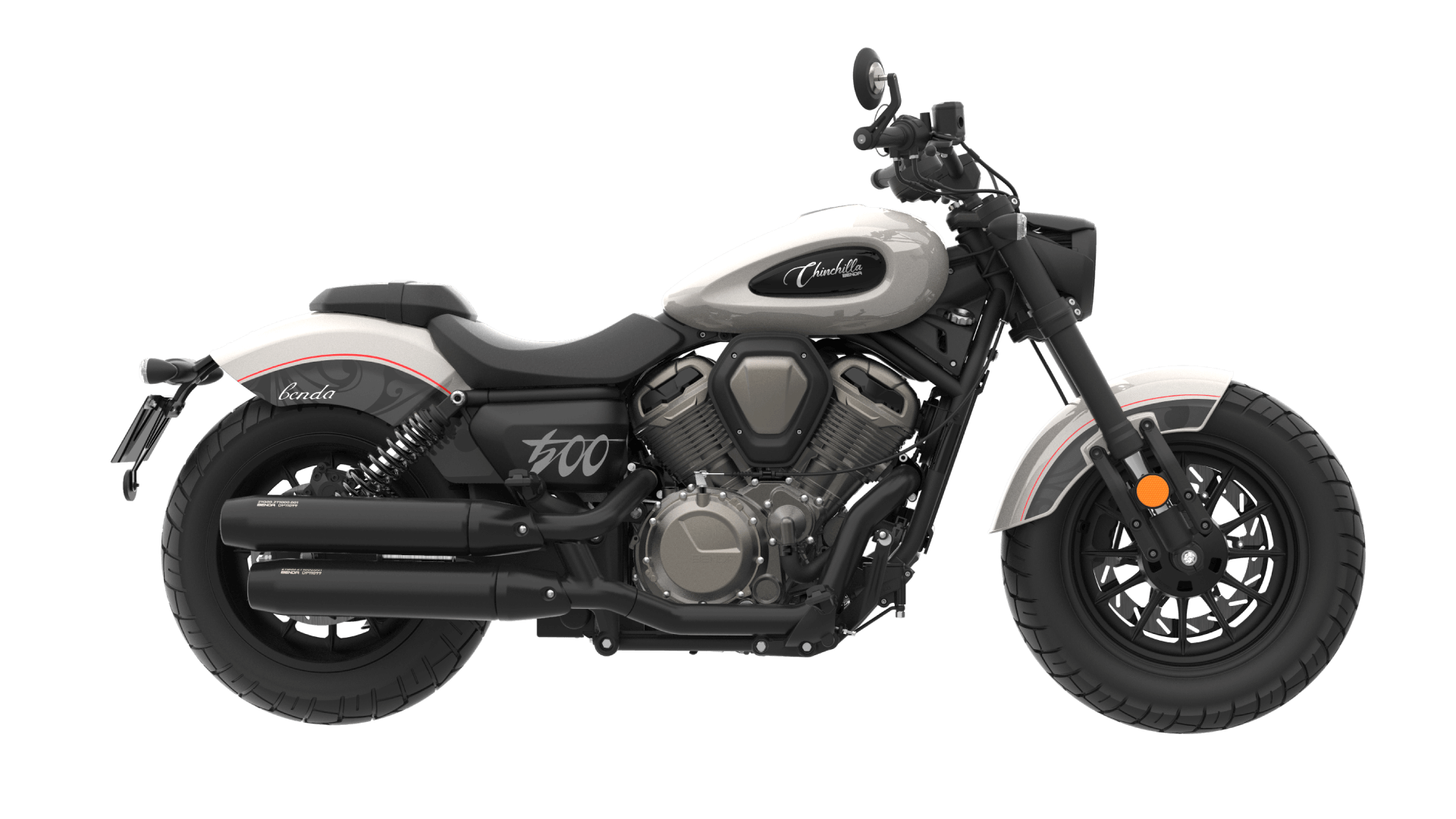
Here’s the scent and feel of it: low rumble at idle, easy reach to the bars, long wheelbase soaking the bumps (but also stretching U-turns). Midweight torque meets city grit. Numbers aside, the ride tells a story you can taste—heat off the heads, clutch hand tight after ten lights, a calm sweep once the road opens. So, where does the balance tip, and what do seasoned riders actually measure when they say “it’s practical”? Let’s lift the lid and see what the usual advice leaves out—then make a fair comparison.
Hidden Friction: What Traditional Advice Misses
Where do riders actually struggle?
Most guides lump 500cc motorcycles into “good for everything” or “too heavy for the city.” Both skip a deeper layer. At low speed, many riders fight fueling that is a bit on/off, which ties back to ECU mapping and the torque curve these bikes deliver right off idle. A tall first gear can force extra clutch slip, raising heat in traffic and tiring the left hand. Rake and trail help stability on the straight, but they can widen the turning circle in tight alleys. The ABS module may feel intrusive on patchy paint at crosswalks, then perfect two blocks later—funny how that works, right?

Look, it’s simpler than you think: the pain isn’t the displacement; it’s how the package handles stop‑and‑go. A slip‑assist clutch can trim effort, but if the final drive ratio is skyward, you still feather. Seat-to-peg drop soothes knees, yet can drag early in sharp corners. Wind at 60 mph? A mid screen helps, unless buffeting sets in. The old advice says “go smaller for the city and bigger for the highway.” Real life adds nuance. You want smooth low‑rpm fueling, a clutch that stays cool, and geometry that forgives parking‑lot angles. Get those right, and the rest feels easy.
What’s Next: Smarter Midweights on the Horizon
Real‑world Impact
New tech is rewriting the midweight script. Throttle bodies are more precise, and ride‑by‑wire (when fitted) lets the ECU map a calmer first 10% of twist, so creeping in traffic feels silkier. Small changes in gear ratios lower the crawl speed without stalling. Counterbalancers cut tingle at mirrors, and better oil‑cooler routing tames heat soak near the legs. Even with a simple cable throttle, refined injection and updated CAN bus logic can make the bike hold a steady 15 mph without protest. On the open stretch, dual‑channel ABS and gentler brake pad compounds add control without bitey surprises—no magic here.
Put it to work on a mixed commute: a modern 500 cc motorcycle now blends calmer initial fueling with a lighter slip‑assist clutch, so the left hand gets a break by lunchtime. Revised seats and bar sweeps relax your spine; you still feel the road, but the bike stops arguing about it. The net result is not a promise of perfection. It’s a nudge toward less friction hour by hour. In short, we keep the low‑down pull that cruisers do so well and trim the stress points that used to wear riders out.
If you’re weighing options, use three simple checks. One: low‑speed smoothness—can you crawl at walking pace with clean fueling and minimal clutch? Two: highway cadence—note the rpm at 65–70 mph and the wind calm around your helmet. Three: control feel—clutch effort, front brake modulation, and how the chassis tracks in a late‑night U‑turn. These metrics turn chatter into clarity and make “daily‑drive a 500?” a measured yes or no for your roads, your hands, your time. For riders comparing midweights today, that’s the cleanest path forward with BENDA.