
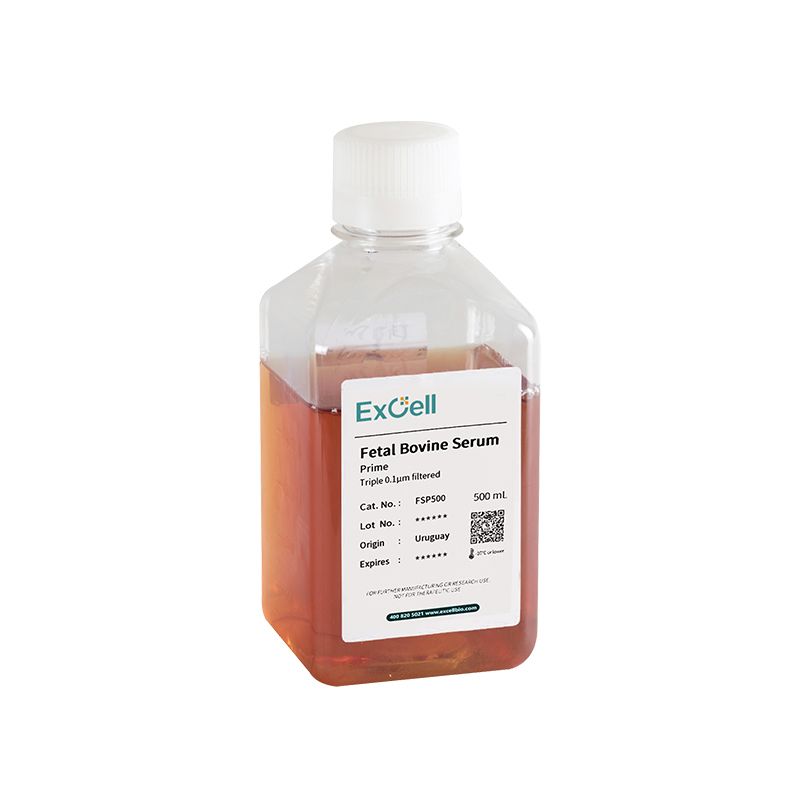
Opening: A Monday in the Cold Room — scenario, data, question
I still remember a Monday in April when three promising plates failed overnight, and the lab’s morale sank (I had just returned from fielding a supplier call). Within the first 48 hours of that week, our team logged a 22% drop in projected proliferation rates — and that failure traced back to one variable: fetal bovine serum. Early in my career I shifted procurement toward standardized lots; today I teach teams about fbs cell culture sourcing because the difference is measurable and repeatable. Given that many labs rely on FBS for essential growth factors and attachment proteins, why do so many procurement strategies still treat serum as a generic commodity? The data are clear: inconsistent serum causes downstream losses in time, reagents, and reproducibility. How should a lab manager respond when a 10% change in protein concentration turns into weeks of troubleshooting? — this is where focused sourcing and technical checks become the deciding factor. Now, let’s unpack what most teams miss and where real savings hide.

Deep layer: Traditional solution flaws and hidden pain points (technical breakdown)
I’ve worked over 18 years in B2B life‑sciences supply chains, buying and qualifying serum for university core facilities and three contract labs in Cambridge, MA. In 2016 I ordered a US‑origin FBS lot (catalog FBS‑US‑2034) for a stem cell project; by June the primary fibroblast lines showed 18% lower viability after thaw than earlier runs. That concrete number — an 18% hit — forced me to catalog every step: cold chain integrity, heat‑inactivation protocol, and the lot certificate. What I learned is simple but often overlooked: serum lot variability and undocumented handling lead to reproducibility failures more often than outright contamination. Common flaws I see: suppliers treating lots as interchangeable; labs skipping lot comparability tests; improper heat‑inactivation (overheating denatures complement proteins but also reduces growth factors). These touchpoints—serum lot variability, heat‑inactivation, growth factor depletion—are where reliability breaks. We began to require documented protein concentration and endotoxin limits for each lot. The result was clear: after adopting a two‑lot pre‑qualification over three months in 2019, our viability variance dropped from ±12% to ±4% across four cell lines.
Why do standard approaches fail?
Because many teams assume FBS behaves like a buffer. It does not. Serum carries endogenous proteins, lipids, and variable albumin content that affect cell adhesion and signaling. Long shipping legs (I once tracked a 72‑hour transit for a frozen shipment to a third‑party site) and repeated freeze–thaw cycles amplify the problem. In procurement terms: treating FBS as a commodity saves purchase cost but inflates operational cost. I prefer specifying lot testing—my checklist includes endotoxin, total protein, and functional media‑specific assays for at least two critical cell lines. That specificity costs more up front but prevents repeat experiments and schedule slippage.
Forward-looking: Comparative strategies and practical metrics
Looking ahead, I compare three practical approaches for groups running routine fbs cell culture work: bulk single‑lot procurement, scheduled lot rotation with bridging studies, and switching to serum alternatives where feasible. Each has tradeoffs. Bulk single‑lot reduces variability but raises inventory risk (devastating if a lot fails). Rotational models spread risk but add qualification overhead. Serum‑reduction strategies cut biological variability but demand revalidation of protocols. When I advised a mid‑sized biotech in 2021, we ran side‑by‑side comparisons across these strategies over six months; bridging studies cost the firm $8,200 but saved an estimated $42,000 in avoided rework that quarter. Numbers matter. For labs that cannot eliminate serum, I recommend targeted supplier agreements that include guaranteed lot specifications and expedited replacement clauses (we negotiated a 48‑hour replacement SLA in one contract). Also—in candid terms—document every failed run and link it to a purchase order; that trail makes supplier accountability real.
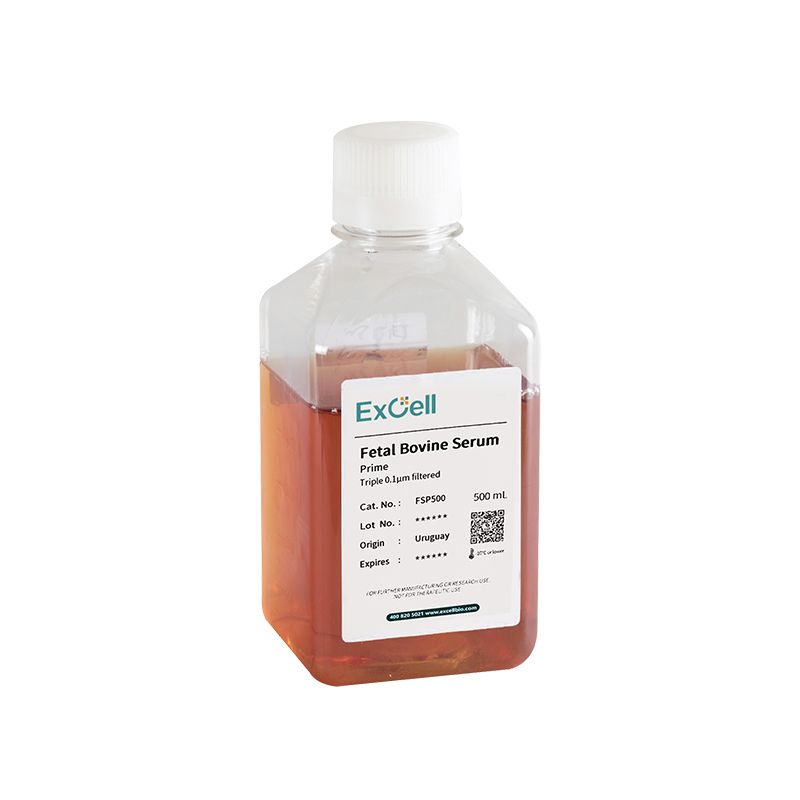
What’s Next for labs and procurement?
Adoption of standardized lot testing, modest inventory discipline, and clear supplier SLAs will be the differentiators. I expect more groups to ask for functional assay data with each lot, not just certificates of analysis. In practice, that means adding two small tests (a viability assay and an adhesion test) to incoming lots for your most sensitive cell line. Yes, it adds 2–3 days to onboarding; yes, it prevents months of debugging later. We implemented that at a contract lab in 2022 and cut troubleshooting calls by 60% in the following year — measurable, repeatable improvement.
Closing: Practical checklist and three evaluation metrics
Summing up from years of hands‑on work: prioritize measurable specifications, require lot comparability, and hold suppliers to delivery and testing promises. I’ll leave you with three concrete metrics I use when evaluating serum suppliers: 1) lot-to-lot coefficient of variation for cell viability (acceptance <6% across two reference cell lines), 2) documented endotoxin level (prefer <0.25 EU/mL), and 3) guaranteed frozen cold‑chain retention with signed 48‑hour replacement SLA. These metrics let you compare offers objectively and reduce the guesswork in procurement. I’ve learned these rules the hard way—late nights reviewing viability curves, reordering a replacement lot on a Friday night, and revalidating protocols in March and October. They work. For teams ready to act, start by adding one functional assay to your incoming QC and negotiating a simple SLA. You’ll save time, reagents, and credibility. (And yes, you’ll sleep better during busy grant seasons.) For trusted suppliers and additional resources, consider reaching out to ExCellBio for lot‑specific data and procurement support.