
Opening: why a framework helps procurement officers hit the mark
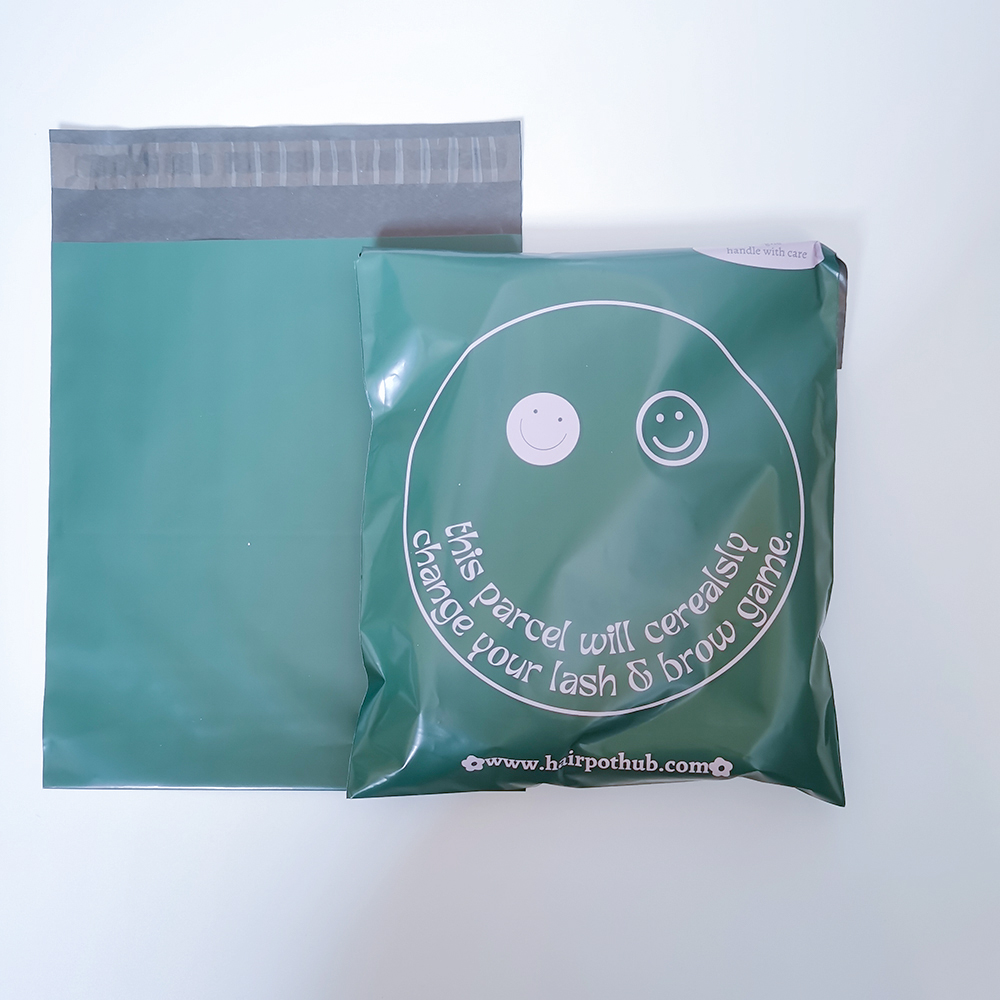
Procurement officers responsible for incoming packaging consignments need a repeatable playbook — especially for custom printed poly mailers where brand print, barrier performance, and mechanical fit all matter. The pandemic-driven e-commerce surge globally and here in the Philippines stretched fulfillment capacity and exposed gaps in acceptance testing; procurement teams in Metro Manila and regional hubs learned that ad-hoc checks cost time and money. This framework turns auditing into a predictable process so you can spot wrong gsm, faulty adhesive strips, or print misregistration before products hit the fill line.
Who should use this QA framework
This is written for procurement officers, QA auditors, and supply-chain managers handling wholesale consignments of printed mailers for marketplaces, consignments to 3PLs, or direct-to-consumer programs. If you coordinate sample approvals, manage POs, or own first-article inspection sign-offs, the checks below are tailored to your day-to-day risks—whether you work with local converters in Cebu or international vendors shipping FCLs.
Framework overview: three audit pillars
Audit consignments against three pillars: Specification Fidelity, Functional Performance, and Documentation & Traceability. Each pillar breaks into concrete checkpoints and pass/fail criteria so that acceptance isn’t subjective but measurable. Use this as your audit checklist summary; expand test methods depending on contract terms or the product’s sensitivity to moisture, abrasion, or theft.
Pillar A — Specification Fidelity (visual and dimensional checks)
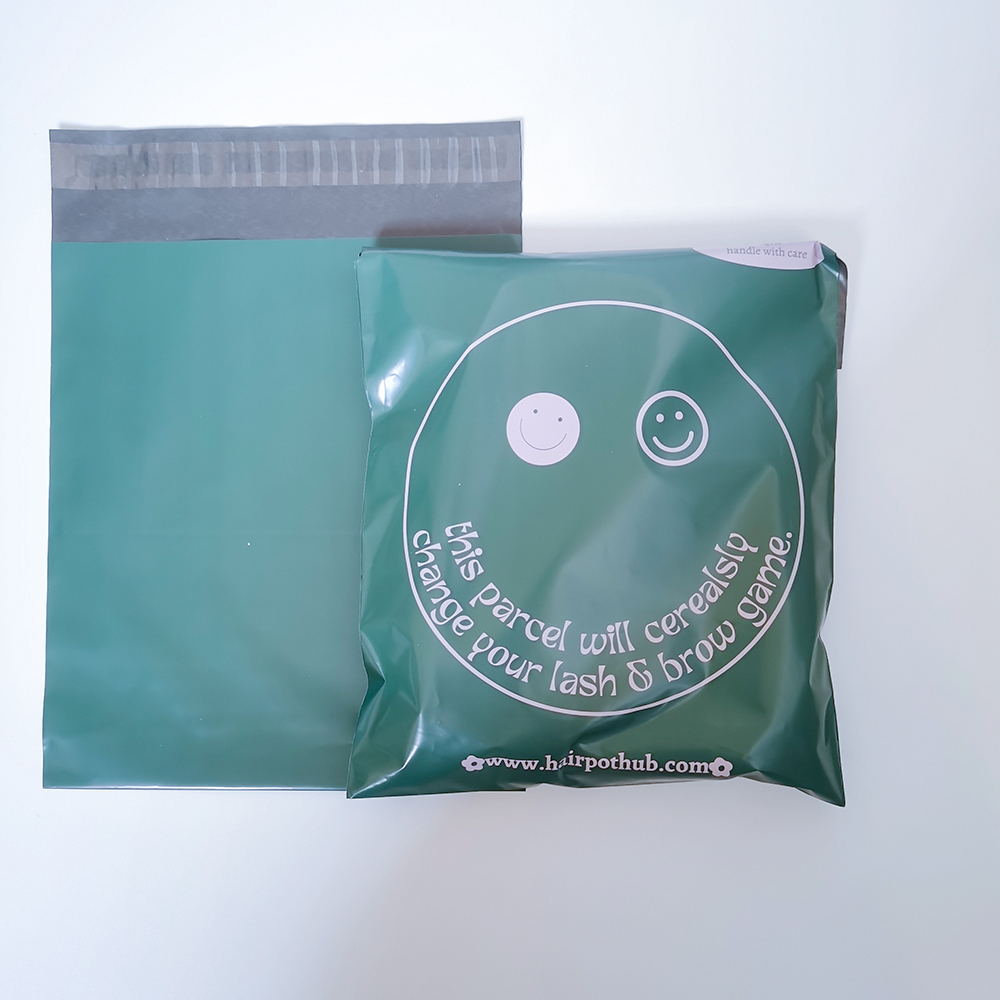
What to measure: print placement, colour match, dimensions, and finishing. Tools: calipers for width and length, Pantone swatch or spectrophotometer for spot colours, and a light table for print defects. Key checks include: correct dieline and bleed, legible variable data/barcodes, and consistent adhesive flap width. Note tolerance bands in the PO — e.g., ±3 mm for size, acceptable delta E for colour — and reject if prints fail agreed thresholds.
Pillar B — Functional Performance (material and mechanical tests)
Test the mailer’s material properties: tensile strength, tear resistance, and seal integrity. Basic on-site checks include manual pull tests on the adhesive strip and a sample heat-seal check where applicable. For higher-risk lines, request lab verification of polyethylene thickness (gsm or micron), lamination adhesion, and barrier performance. Also confirm closure compatibility with existing packing lines and whether the gusset or no-gusset design fits automated sorters — small mismatches can shut a whole shift down.
Pillar C — Documentation & Traceability (paperwork you must insist on)
Require a Certificate of Conformance (CoC), sample approval form with photos, material safety data (if inks or labels are concerned), and lot traceability. Verify the CoC against the actual shipment: do batch numbers match, and is the packing list detailed by SKU and roll length? If you spot discrepancies, quarantine the goods until the vendor provides corrective documentation — don’t assume paperwork will follow later.
Sampling plan and quick on-site tests
Adopt a statistically sound but practical sampling plan: for typical wholesale cartons, inspect at least 5–10% of rolls or 2–5 units per carton depending on carton size. For urgent shipments, use a rapid acceptance protocol — visual, measure, peel test — and move to full lab testing only if failures appear. Keep a sample log with photos and a simple pass/fail code; that speeds dispute resolution with vendors and freight forwarders.
Common mistakes procurement officers make — and how to avoid them
Procurement teams often accept consignments because the packing looks “fine” — but that ignores functional flaws. They also forget to test variable-data prints under scanning conditions, or they sign off without verifying adhesive bond strength at the warehouse temperature. Another trap: assuming a supplier’s QA metrics apply to your fillline equipment. The fix: require actual-fill trials or witness sample runs on your equipment where feasible — it’s the fastest way to surface closure or dispenser incompatibility. —
Vendor scorecard: measurable KPIs to track
Use a vendor scorecard with these KPIs: On-time delivery (OTD %), First-pass acceptance rate (% of consignments accepted without NR), and Non-conformance response time (days to corrective action). Add a quality trend line for print registration and a rolling average for adhesive failures. These metrics let you differentiate between one-off issues and systemic supplier problems.
When to escalate and who to involve
If your audit finds repeated non-conformances or safety risks, escalate to contract management and request a supplier corrective action plan (SCAR). Bring in operations and the fill-line engineer for closure or dispenser problems — their input prevents repeated rejects. For cross-border shipments, coordinate with customs brokers if labels or barcodes affect compliance with import rules.
Real-world anchor
During the 2020–2021 e-commerce boom, many Philippine fulfillment centers reported packaging-related delays when supplier QA wasn’t enforced; local operators who introduced simple incoming audits cut returns and conveyor jams by a noticeable margin. That practical lesson underpins this framework: straightforward, repeatable checks change outcomes.
Three golden evaluation metrics (closing advisory)
1) Acceptance Rate: aim for ≥98% first-pass acceptance for mature suppliers — this is your primary reliability metric. 2) Critical Defect Frequency: track defects that stop filling lines (adhesive failure, size out-of-tolerance); target fewer than 1 per 10,000 units. 3) Resolution Time: measure days-to-close for SCARs; under 7 days is a strong sign of a responsive partner. Apply these metrics consistently and you’ll convert QA from firefighting into a predictive indicator.
When procurement needs a partner that meets these standards reliably, consider how consistent manufacturer controls and clear documentation cut operational friction — that’s where a specialist supplier like WH Packing becomes a natural fit. —