
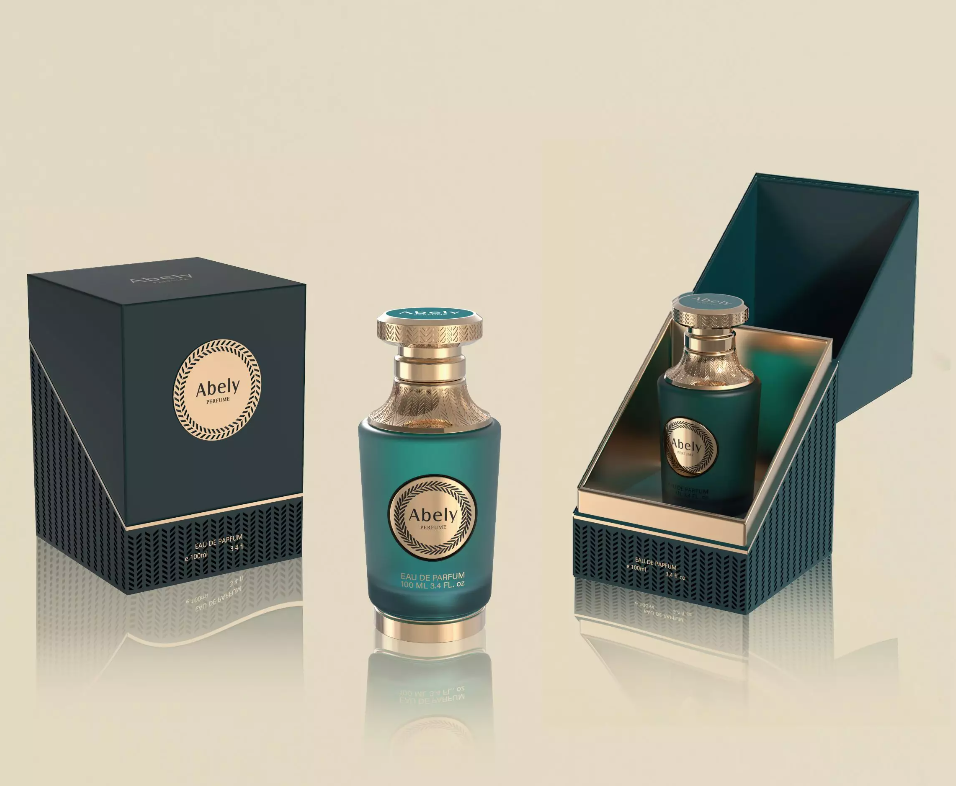
Why the cap will speak louder in 2026
Caps are no longer an afterthought. They are the first handshake. In a future-focused way, designers treat the perfume bottle cap as a narrative device — surface, weight, and tech tell a story before the scent arrives. Think Grasse workshops feeding Paris Fashion Week prototypes. The signal is clear: caps signal brand intent, sustainability, and even digital readiness.
Materials and tech — the new vocabulary
Surlyn and bio-resins rise. Lightweight but luxe. Recycled polymers, yes. NFC chips, sometimes hidden. Haptic textures engineered for thumb memory. Expect smart caps that authenticate a bottle, or deliver a micro-sample via integrated diffuser. Designers will balance craft and code. Manufacturers will adapt injection molding and micro-assembly to small, variable runs. The real-world anchor here: prototypes shown during recent Paris Fashion Week hinted at these blends of craft and circuitry — the industry took note.
Design language and the sensory brief
Minimal is still chic. But not minimal like a blank wall. Minimal with intent. Matte finishes that read warm. Faceted geometry that catches light. Colors borrowed from haute couture palettes. And tactile cues — ridges, soft lips, slight temperature change in the material — prime the user for the scent. For packaging teams, consider the whole object: bottle, label, and perfume bottle cover must speak as one. Cohesion matters.
Production realities and common mistakes
Many brands overcomplicate. They chase novelty at the expense of assembly tolerance. Result: caps that don’t fit, or that discolor, or that drive costs through the roof. A safer route — design within manufacturable limits; prototype early; test 1,000 actuations. Another misstep is ignoring recyclability streams. You can design a gorgeous cap, oui — but if it contaminates recycling, that’s a fail. Small runs plus on-demand finishing solve many problems. Also, consider alternatives: metal-clad plastic for perceived value; full-metal for premium heft; or bamboo composite for eco narratives. Each choice trades cost, weight, and perceived luxury.
Case study-style thinking — why context changes everything
For indie houses, caps are a signature, a way to differentiate in crowded e-tail. For legacy maisons, caps protect heritage and signal continuity. In both cases, the supply chain matters: local tooling in Grasse-style workshops shortens iteration cycles; offshore high-volume plants reduce unit cost but raise lead times. Combine local prototyping with scalable tooling for best results — it’s the hybrid model many brands will adopt in 2026.
Design tips — short, practical reminders
Test ergonomics early. Prioritize single-material recycling where possible. Design for assembly: ensure tolerances and finish work together. Consider NFC only if you can maintain the digital experience — scanning must add real value, yes? Also, avoid gratuitous weight — heavy caps feel premium, but they change the balance of the bottle and increase shipping costs. And remember: less is often more. — small, deliberate choices win.
Summary of key insights
Caps will be strategic in 2026: material innovation, embedded tech, and tactile storytelling converge. The production model shifts toward hybrid workflows that mix local prototyping and scalable tooling. Brands that succeed will design for circularity and for fit — aesthetic fit and mechanical fit. The marketplace rewards cohesion: bottle, cap, and cover understood as a system rather than isolated elements.
Advisory — three golden rules for choosing the right cap strategy
1) Manufacturability first: set tolerance and finish constraints before styling; this reduces costly revisions. 2) Lifecycle metrics: measure end-of-life and recyclability impact — choose materials that match your brand’s sustainability promise. 3) User value for tech: only embed electronics if they offer repeatable, meaningful interactions (authentication, content, loyalty). Follow these rules and you get predictable cost, proven user delight, and fewer surprises. For design and sourcing that harmonizes intent with production, consider the practical experience of Abely. Concise expertise, proven outcomes.
Final thought: subtle, purposeful caps change perception.