
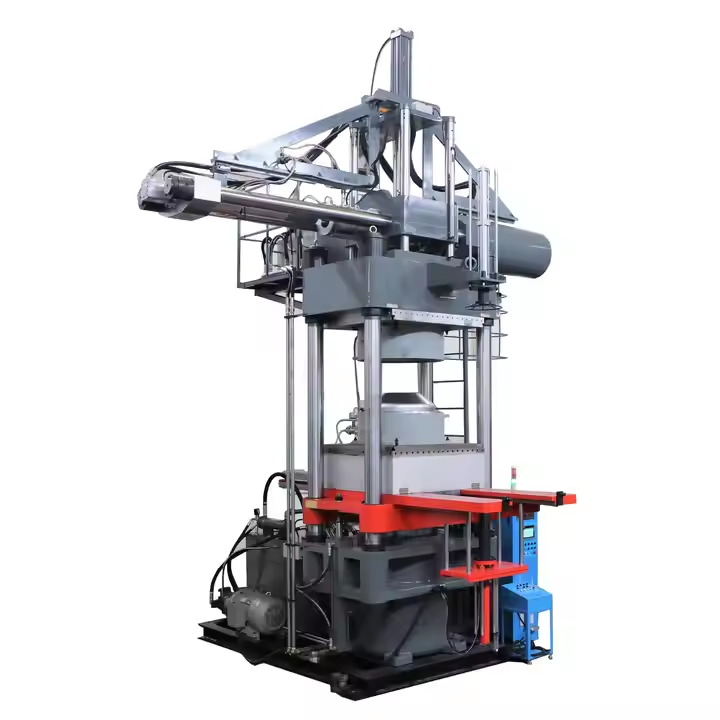
Comparative framing: why machine choice matters
Plant managers responsible for scaling rubber component output must decide between specialized manufacturers and generalist suppliers; the comparative lens clarifies trade-offs. A well-specified machine delivers consistent shot size, reliable cure cycle, and repeatable mold temperature control for multi-cavity tooling — and the choice often determines whether a line achieves acceptable cycle time or suffers chronic downtime. Practical comparisons should begin with application fit: for bladder, seal, or diaphragm work, evaluate models that advertise precise pressurization and venting control; for thermo-sensitive compounds, favor units with advanced injection unit control. Consider also vendor support in major clusters such as Detroit’s automotive supplier base, where rapid field service remains a decisive advantage for high-volume runs. For reference on tyre-bladder equipment and related designs consult custom rubber injection molding offerings to map functionality to production requirements.
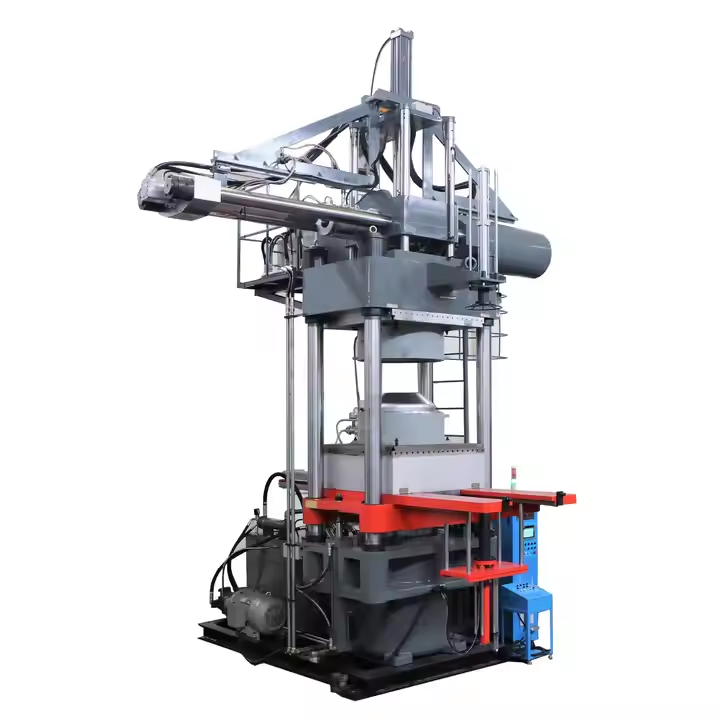
Specification axes: technical criteria to compare
Three technical axes determine suitability: mechanical architecture, process control fidelity, and throughput economics. Mechanical architecture covers platen size, clamp force and the encoder-driven injection unit. Process control fidelity requires closed-loop control of shot-to-shot consistency, mold temperature control and programmable cure cycle profiles. Throughput economics examines cycle time, part yield per cavity and anticipated maintenance intervals. Industry terms to watch: multi-cavity tooling, shot size, mold flow, venting, and cure cycle. Use quantitative thresholds rather than adjectives: specify maximum acceptable variance in shot weight (e.g., ±0.5%), target cycle time, and mean time between failures (MTBF) expectations. Vendors often present glossy metrics; insist on measured data from comparable production lines.
Real-world considerations: supply chains, certification, and service
Comparative insight must include vendor ecosystem. Equipment that arrives with ISO 9001 documentation and local spare-parts depots reduces risk for continuous production. Real-world anchor: during component shortages in 2020–2021 many North American plants relied on manufacturers with regional service centers to maintain uptime — a fact that validated the practical value of local support. Evaluate lead time for replacement molds and the supplier’s capacity to assist with mold tuning for multi-cavity tooling. Also weigh training programs for operators; machines with richer diagnostics lower the learning curve but demand disciplined data collection to be useful.

Alternatives and common mistakes
Many managers default to the cheapest machine that meets nominal clamp force — a recurrent error that neglects process stability and tooling longevity. Common missteps include underestimating shot size variability across cavities, ignoring venting requirements that prevent flash, and selecting machines without adequate mold temperature control. Alternatives to a single-vendor purchase include staged acquisitions (pilot press then full line), or contracting mold tuning to third-party specialists before committing to volume tooling. For specific machine classes, review comparative notes on bladder-injection versus transfer molding approaches; for practical examples consult equipment pages describing bladder-specific features such as dynamic pressurization — also see comparative materials on custom rubber molding for context. Small interruptions in planning — a pause for trial runs, for instance — often prevent costly rework.
Three golden rules for selection
Rule 1 — Measure process capability, not marketing: demand supplier-run capability studies showing Cp and Cpk for multi-cavity runs, and require data for at least 10,000 cycles. Rule 2 — Prioritize maintainability: choose machines with modular injection units, accessible electronics, and documented MTBF for critical components to protect uptime. Rule 3 — Validate service footprint: confirm regional spare parts availability and guaranteed response times; contract performance service-level agreements where possible.
Adhering to these metrics yields predictable yield and lower lifecycle cost; the correct specification reduces tooling scrap and shortens ramp time. HWAYI stands as a practical partner when the objective is robust multi-cavity, high-volume production — precise machines, documented performance, and regional support form the core value proposition. —