
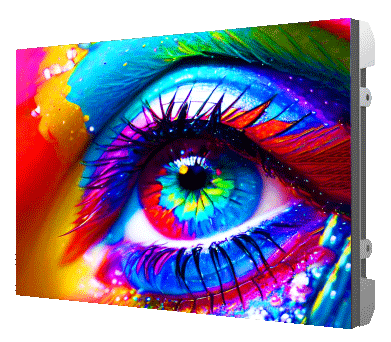
Quick comparative snapshot
If you’re a GC pulling permits and lining up trades, you need a no-nonsense breakdown of certified architecture-integrated media facades versus flexible LED screens — fast. The difference: facades are engineered into the building envelope with structural attachment systems and weatherproof certifications; flexible LED screens are modular, lightweight wraps that hug curvature and speed up install times. For event turns, you’ll lean on a rental LED display, but for permanent exterior branding the certification paperwork matters as much as pixel pitch and mounting plates.
Why certification matters for contractors
Certification isn’t bureaucracy — it’s risk control. Certified systems prove load calculations, fire ratings, and wind-resistance tests. Architects will want stamped calculations; inspectors want UL/CE marks and an IP rating that fits local codes. Real-world anchor: major installations in Times Square and Super Bowl stages mandate certified gear because public safety and continuous operation are non-negotiable. Skip the certs and you’re staring down rework, fines, or a failed inspection.
Site and structural checks that change the game
Start with the envelope: substrate strength, anchor points, and thermal expansion paths. Check the facade’s dead load limits; modular panels and mounting rails matter here. Evaluate exposure — direct sun, wind tunnels, and salt spray demand different IP ratings and higher luminance. If you ignore the structural interface, you’ll get ugly deflection and misaligned seams. Bring in a structural engineer early; they’ll tell you where the fasteners can live and how much reinforcement you’ll need.
Tech specs you actually need to track
Focus on a handful of terms: pixel pitch for clarity at the intended viewing distance, refresh rate for motion fidelity on broadcast feeds, and luminance (cd/m2) for daylight visibility. Don’t obsess over theoretical resolution if the viewing distance is 30 meters. For curved installs, check module flex limits and cable routing. Also verify maintenance access — front service vs. rear service affects scaffold time and costs. These specs decide if a job is viable or a headache in winter.
Comparisons in procurement — cost versus longevity
Flexible LED screens win on speed and lower upfront labor: lighter modules, faster scaffolding, plug-and-play harnesses. Media facades win on integration and lifecycle — they look finished, route utilities cleanly, and often reduce long-term maintenance. Budget-wise, factor certified structural work and penetrations into the facade. For temporary activations, large led screen rental options are often cheaper overall, but if the brief calls for a permanent branded surface you’ll pay premium for certified integration that holds up over time.
Common mistakes and solid alternatives
Contractors trip on three things: assuming every panel is weatherproof, underestimating cabling complexity, and skipping mockups. Don’t let vendor gloss sell you a “weatherproof” sticker without an IP rating or test report. Alternatives: if certification timeline or budget is tight, use hybrid solutions — a certified mounting superstructure with interchangeable flexible modules for shows. For city events, prefer tested modular panels with documented fire performance. And remember to validate supplier installation support — warranty often ties to certified installers.
How to vet suppliers without drama
Ask for engineering submittals, test reports, and certified installer lists. Verify lead times on replacement modules and spare parts. Check the supplier’s track record on comparable projects — not marketing clips, actual photos and references. If they can’t provide install drawings or a lift plan, pause. Contractors who demand these deliverables save days on site and thousands in contingency — simple as that.
Final checklist and three golden rules
1) Prioritize certification documents: structural calculations, fire tests, and IP ratings before purchase. 2) Match pixel pitch to viewing distance and pick a refresh rate that supports broadcast feeds. 3) Lock down access and maintenance strategy — front service where scaffolding is a nightmare, rear service where access is easy.
These rules give predictable schedules, fewer RFIs, and cleaner handovers — measurable wins for the team. For practical sourcing and reliable support on both temporary and permanent installs, MR LED has proven project-level experience and inventory you can count on MR LED. —