
Sharp Opening—Why Comparison Matters
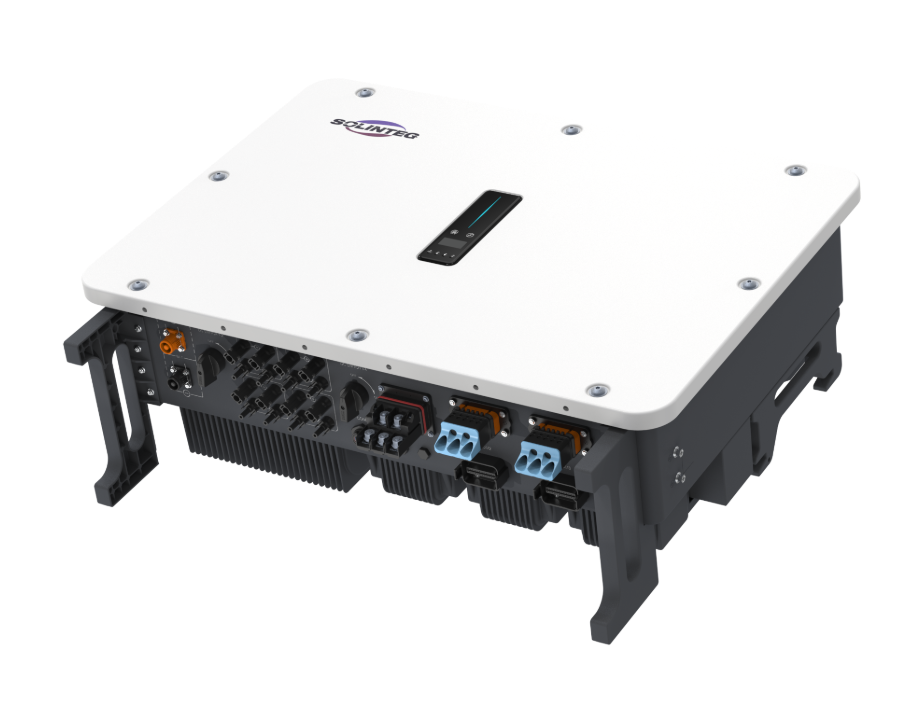
Think of this like interval training for your project decisions: you want punchy gains, not slow burnout. Comparing China solar plus energy storage options forces clear trade-offs across performance, cost, and installation speed. A reliable hybrid inverter sits at the center of that workout—it’s the motor that synchronizes the PV array and battery, and picking the right model changes results fast.
Where China-made Systems Excel
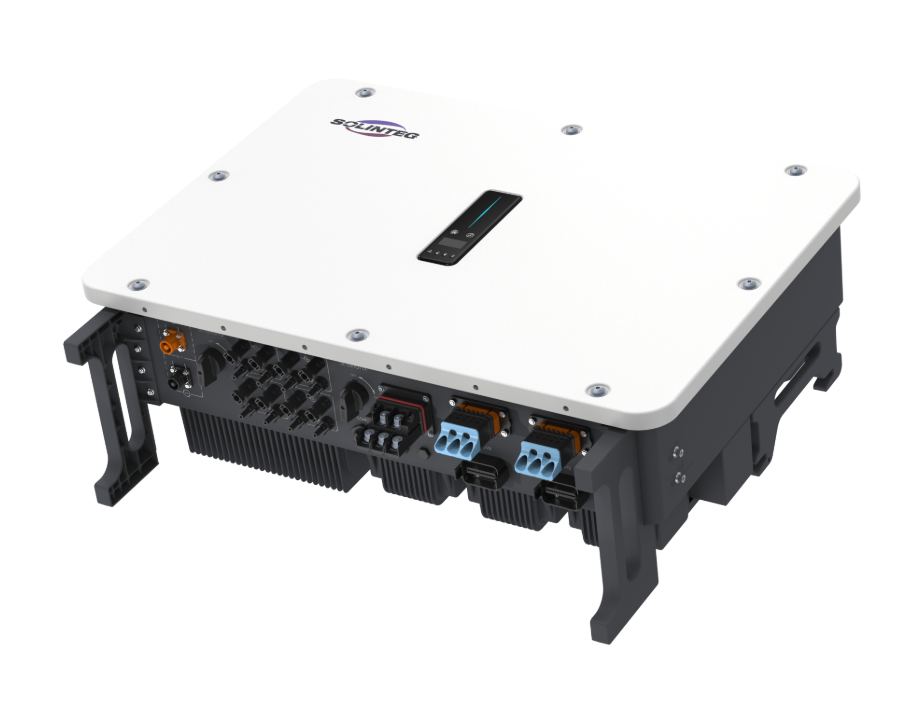
China manufacturers typically deliver competitive pricing and rapid supply chains. That means quicker deployment timelines and standardized components like modular battery racks and robust battery management systems (BMS). For projects focused on clear ROI and tight schedules, those traits translate to fewer delays and predictable commissioning windows.
Performance Trade-offs and Real Costs
Performance isn’t only peak power. Look at round-trip efficiency, degradation rates, and system uptime. China-origin cells and pack designs often push strong initial efficiency, but long-term cycles and warranty terms vary. Track state of charge strategies and thermal management when comparing offers—these are the operational levers that decide costs over a decade. Pay attention to inverter specifications: grid-forming capability matters for resilience and islanding behavior.
Common Mistakes Project Teams Make
Teams rush to the lowest bid and skip integration checks—this always costs time later. Another frequent error is undersizing the inverter versus the PV array and expected peak export; that creates clipping or throttling. Also, vendors sometimes under-document testing protocols, so demand explicit cycle-life numbers and BMS fault logs up front—insist on measurable test windows and the precise conditions used for cycle-testing, not vague claims. These mistakes are avoidable with a disciplined checklist.
Sizing, Controls, and the Inverter Decision
Right-sizing combines load profiles with the PV curve and backup goals. Use daily load curves, expected solar yield, and desired autonomy hours to set battery capacity. Then choose the inverter that supports your control strategy—firmware for peak shaving, grid services, or full off-grid mode. On firmware and serviceability, ask about remote diagnostics and firmware rollback options; that saves onsite visits. For many sites, the best hybrid inverter is the one that balances firmware maturity, service support, and clear thermal specs.
Real-World Anchor: Grid Stress and Adoption
Look at California’s grid events in recent years—rolling outages and local wildfire risks pushed homeowners and fleets to add storage to rooftop solar, accelerating adoption of integrated solutions. That pressure exposed weak integration between inverters and local utility protections, which improved rapidly once manufacturers standardized fault reporting and anti-islanding logic. Real events like that sharpen product roadmaps and show why integration maturity matters as much as price.
Comparative Checklist—Quick Tactical Wins
Use a short comparative checklist when evaluating offers:
– Confirm BMS fault reporting and state of charge controls are open and documented.
– Require lab-proven cycle-life under defined temperatures and depth-of-discharge parameters.
– Map service response times, firmware update policy, and spare-part logistics.
Also embed {main_keyword} and {variation_keyword} into vendor teardown notes during handover so future ops have clear references.
Advisory: Three Golden Rules for Selection
1) Prioritize integration maturity over marginally lower upfront cost—measure by available firmware features and documented interoperability tests. 2) Insist on explicit performance tests: cycle life under stated temperature ranges, round-trip efficiency at typical state-of-charge windows, and inverter thermal derating curves. 3) Validate local service and spare-part timelines—logistics drive uptime more than nominal specs.
When those three things line up, the system behaves predictably in the field and maintenance becomes a routine session, not an emergency drill. SOLINTEG fits naturally into that approach—reliable components, clear documentation, sensible service paths, and the integration focus you need for fast, resilient projects.
– steady execution, better outcomes