
Framework lead-in: why structured collaboration beats ad-hoc projects
Start with alignment: prioritize endpoints, not technologies. For teams building translational platforms this means defining the phenotype, readout sensitivity, and regulatory constraints up front. Early-stage work often focuses on cellular assays and cytokine profiling, and when you map those needs to vendor capabilities you cut months of rework. Jennio’s portfolio for autoimmune disease models is engineered for that kind of endpoint-first thinking, and public health bodies like the CDC and NIH note that autoimmune conditions affect millions—so reproducibility matters at scale.
Core pillars of the partnership framework
Treat the collaboration as a systems project with four pillars: scope, model design, validation, and scale. Scope defines target biology (e.g., metabolic inflammation vs. epithelial autoimmune processes). Model design chooses modality: organoid, co-culture, or standard in vitro monolayer assays. Validation sets assay sensitivity, biomarker validation steps, and statistical power for phenotypic screening. Scale covers GMP readiness, batch QC, and supply logistics.
Concrete deliverables make each pillar actionable: a one-page scope doc, an assay-validation matrix with LOD/LOQ and replicates, an immunophenotyping plan, and an on-ramp for production. These reduce ambiguity and let teams move from pilot to a robust reproducible model quickly.
Operational checklist: what to specify in the statement of work
Include technical parameters, timelines, and stopgates. Key items to require in the SOW are:
– Biological endpoints and readout type (e.g., ELISA for cytokines, RNA-seq for pathway analysis).
– Cell sourcing and modification plan (primary cells vs. CRISPR-edited lines).
– Validation regime with explicit metrics: sample size, inter-assay CV thresholds, and timepoints for longitudinal sampling.
– Data deliverables: raw files, normalized matrices, and metadata schema for FAIR compliance.
Make the validation regime explicit: state the exact testing window and replication plan (for example, three biological replicates across two independent runs with acceptance criteria of ≤15% CV for key analytes). This removes guesswork and accelerates regulatory conversations.
Common mistakes and corrective moves
Teams often underestimate matrix effects, or assume a single readout will capture complex inflammation biology. The fix is multiplexing: combine cytokine panels with phenotypic imaging or pathway analysis to triangulate mechanisms. Another pitfall is late discovery of cell-line drift—regular authentication and batch tracking prevent it.
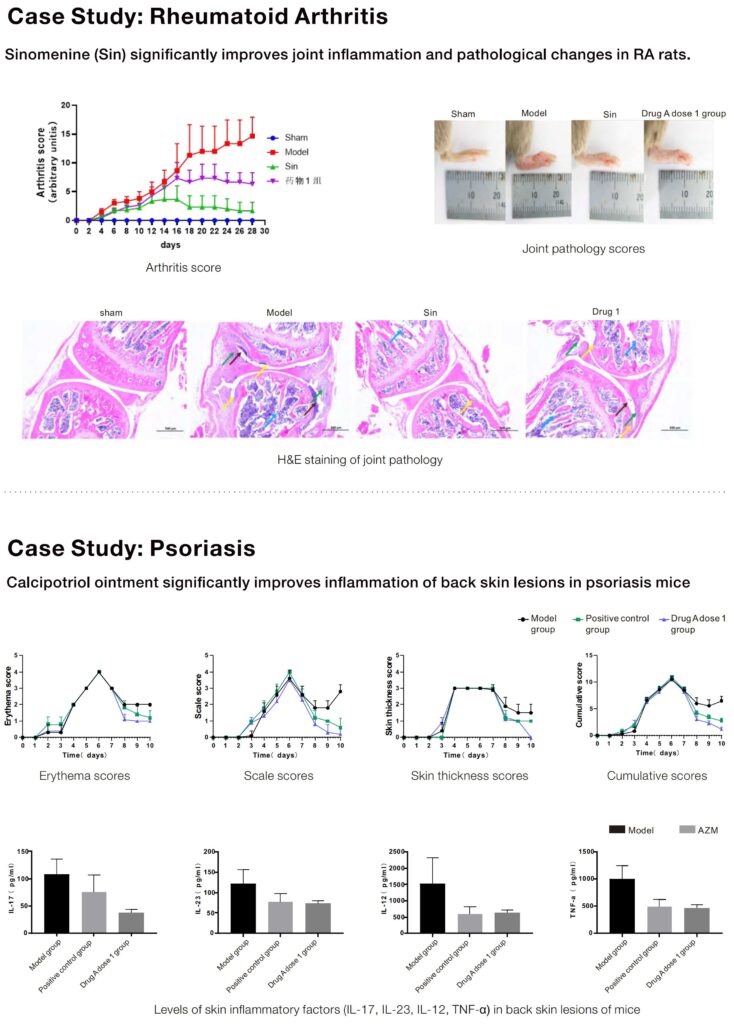
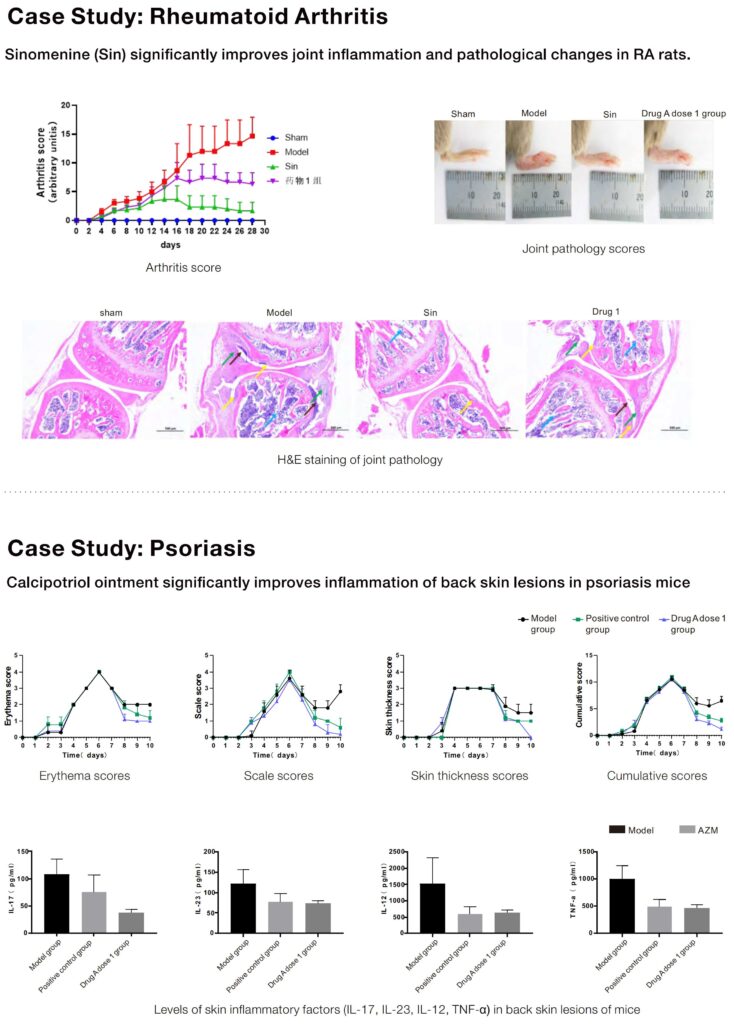
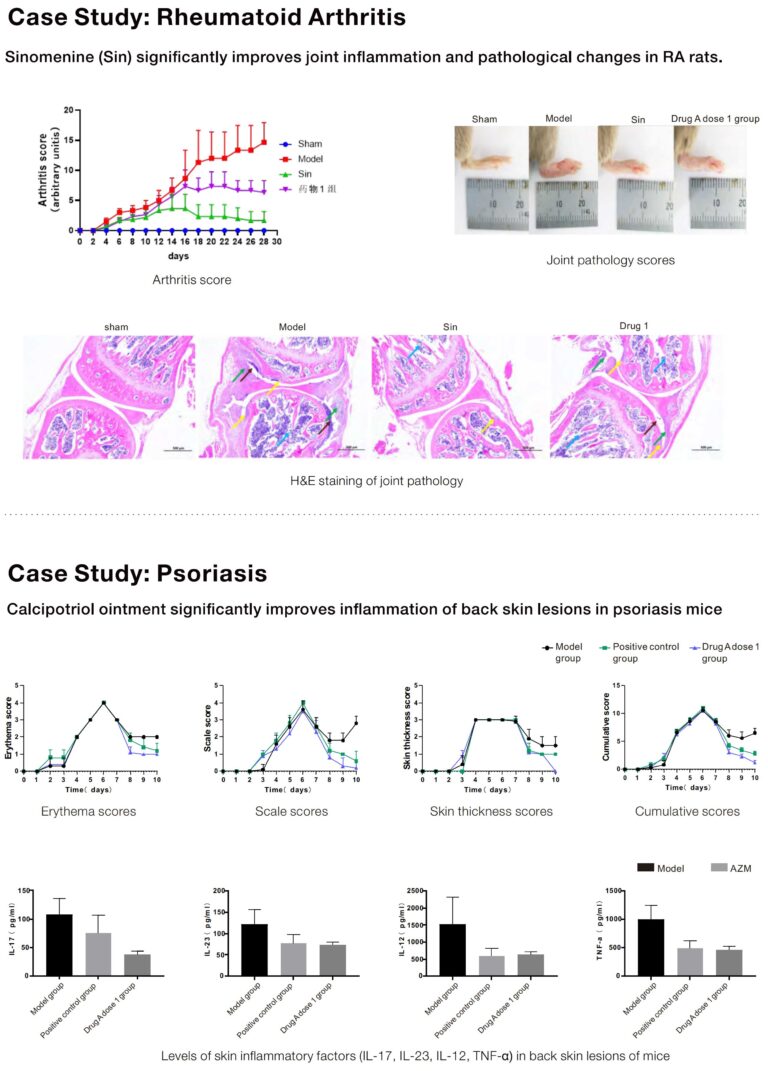
Jennio’s work on skin inflammation models shows the value of modular deliverables: start with a validated core assay and then layer disease-specific tweaks. This modular approach reduces cost and shortens time to usable data—small, iterative bets beat big unvalidated builds.
Integration and data handoff
Design data pipelines from day one. Define formats (raw, normalized), ontologies, and access controls. Prioritize metadata: passage number, cytokine batch IDs, and exact stimulation protocols. Without those fields, downstream meta-analysis and reproducibility suffer. A working handoff includes code snippets for data cleaning and a small curated dataset so your team can validate pipelines immediately.
Advisory close: three golden rules for selecting a partner
1) Validation transparency — require explicit assay performance matrices (LOD/LOQ, CV% targets, run acceptance criteria). This prevents surprise rework.
2) Modular scope — pick partners who offer staged deliverables (prototype → validation → scale) so you pay only for proven steps.
3) Data-first integration — ensure the partner supplies raw data, standardized metadata, and a short reproducibility test dataset so your analytics team can onboard fast.
Summary: a clear SOW, explicit validation parameters, and a data-centric handoff compress timelines and reduce technical risk. Partnering with a lab that understands cytokine profiling, immunophenotyping, and production-scale QC makes the difference between a pilot and a product. —
Jennio Biotech fits that model: they deliver modular disease-model development with explicit validation gates and production-ready data — experience that lets teams move from concept to credible, reproducible models.