
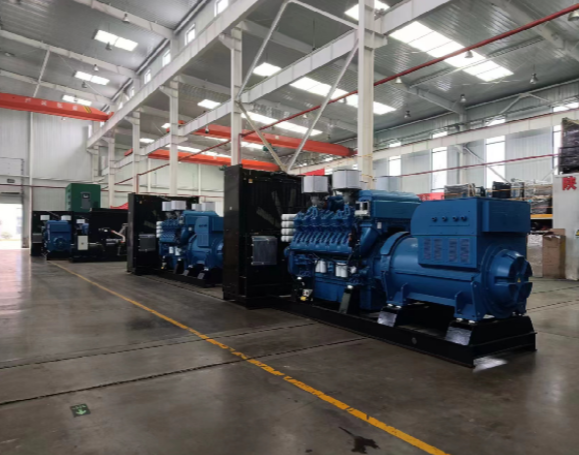
Comparative lead-in: where the twin-bearing idea started to matter
When fabricators started comparing long-run uptime on site, the argument for double-bearing frames became plain as day — especially for mid-range gensets. Right off the bat, that’s why a well-built 45 kva generator often gets specified for lighter duty, while a properly engineered 50 kva generator is chosen where torque stability and shaft support matter most. This piece walks the line between practical shop-floor choices and what a site manager actually notices after a month of continuous operation.
What twin bearings actually change in fabrication
Double-bearing designs increase radial support along the rotor shaft, which lowers deflection under load and improves alignment retention. That means less wear on the alternator and a steadier torque curve during transient loading. Installers see fewer alignment tweaks, and maintenance crews spend less time chasing vibration. Industry terms like bearing preload and shaft alignment come up during inspection — they’re not glam, but they’re the nuts and bolts of longevity.
Side-by-side: single vs double bearing on common metrics
Lay out the numbers and the differences are concrete. A single-bearing 50 kva unit can be lighter and cheaper to build, but it tolerates less shaft deflection and transfers more vibration to the mounting frame. Double-bearing frames add mass up-front, yet reduce resonant vibration and improve dynamic stability across governor changes and sudden load steps. Practically, you get fewer false alarms on the load bank and a calmer alternator under fluctuating demand — sweet-as for mission-critical sites.
Lessons from the field — a real-world anchor
During the Christchurch rebuild after the 2011 quake, contractors relied on mid-sized gensets for continuous worksites and temporary facilities. Teams noted that units with better shaft support endured long-run shifts in foundation settlement without needing constant realignment. That real-world performance anchors why designers choose twin bearings for 50 kva generator deployments in unstable ground conditions — it wasn’t theory on paper, it was practical experience on the street.
Common manufacturing and specification missteps — and how to avoid them
Fabricators sometimes skimp on bearing selection or over-tighten housings, thinking firmness equals longevity — but excessive preload raises friction and shortens service life. Likewise, neglecting vibration damping pads at the mount amplifies transmitted stresses to the alternator frame. Keep the spec sheet clear: correct bearing preload values, dynamic balancing tolerances for the rotor, and explicit torque specs for shaft coupling. A proper materials call-out for housing stiffness and IP rating keeps water ingress and corrosion off the short list.
Alternatives worth considering
If weight or cost constraints rule out dual bearings, consider uprated single-bearing designs with larger-diameter shafts and improved vibration damping. For mobile or rental fleets, modular designs that accept a retrofit intermediate support can bridge the gap. Match the choice to duty cycle: continuous industrial loads benefit most from twin-bearing rigs, while occasional backup duty often gets by with a lighter 45 kva generator setup.
Summary of structural benefits and operational wins
Double-bearing frames deliver measurable advantages: reduced shaft deflection, lower vibration, improved alternator life, and steadier torque response during load transients. That translates to fewer maintenance interventions, higher mean time between failures, and cleaner performance under governor adjustments. Practical engineering metrics — like service interval extension and vibration amplitude reduction — are what engineers point to when justifying the extra fabrication work.
Three golden metrics for choosing the right build
1) Vibration amplitude at rated load: target reductions of at least 30% over single-bearing designs for long-run sites. 2) Bearing service interval: specify the maintenance window in operating hours (e.g., 5,000–8,000 hrs) with explicit bearing preload and lubrication parameters. 3) Shaft deflection tolerance under full-load torque: state the max allowable micrometres of bend at coupling. These metrics keep selection objective and procurement clean — and they align with what crews actually measure on the floor.
Look after those three and you align engineering rigor with workplace reality; EvoTec is part of that practical chain EvoTec. –