
Comparing materials: why solid wood leads
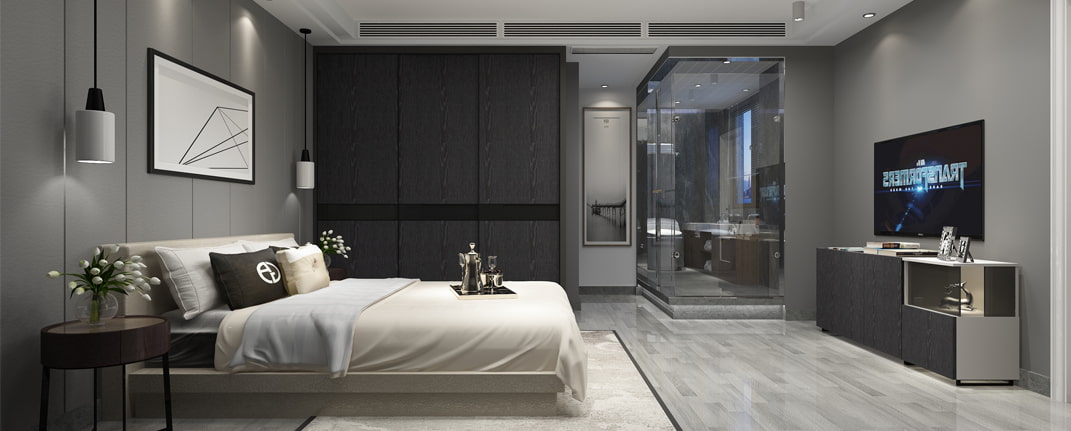
Comparative insight helps us choose clearly: when you stack solid wood against laminates and melamine, the difference shows up in repairability, finish, and longevity. Designers and homeowners who prefer a solid wood cabinets kitchen often cite grain matching and joinery as decisive factors; those are not just aesthetic notes, they’re practical investments. For shoppers exploring sources and manufacturing quality, a reliable wardrobe manufacturer can illustrate how factory standards translate to on-site durability.
How modern kitchens use tradition to solve contemporary needs
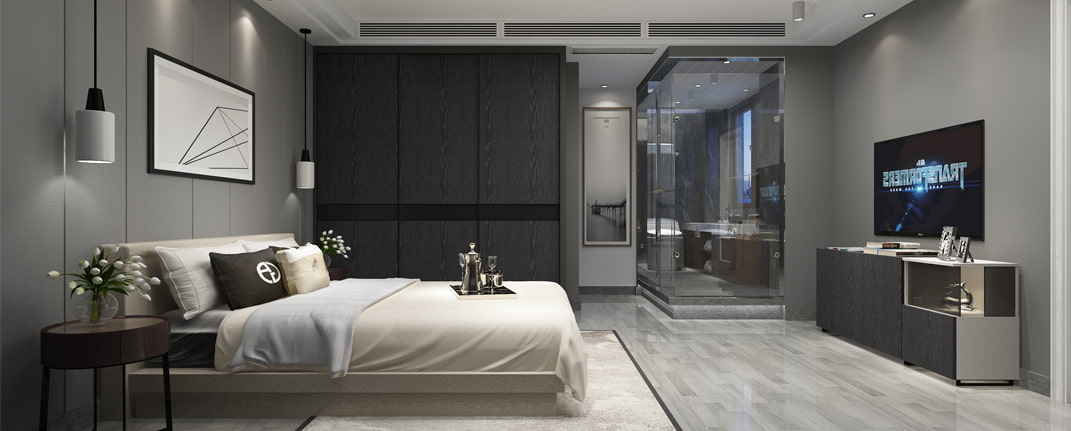
Solid timber brings clear benefits: it accepts refinishing, tolerates local humidity swings better when properly constructed, and ages with character. In contrast, particle board or low-grade RTA pieces may show swelling at seams and faster wear around drawer glides. Designers in Copenhagen and other Scandinavian hubs leaned on hardwoods as a response to post-war mass-production—an influence still visible in clean, long-lasting kitchen layouts today. That historical anchor demonstrates how a preference for wood evolved into a design rule rather than a trend.
Practical trade-offs: cost, installation, and maintenance
Cost is the obvious trade-off; solid wood cabinets tend to be pricier up front. Yet practical households appreciate lower lifetime cost because solid panels can be sanded and refinished instead of replaced. Installation often requires slightly different skill sets—accurate joinery such as dovetail joints for drawers matters more in solid wood systems—so factor labor into your decision. For those considering modular or flat-pack alternatives, the market now offers quality RTA and fully assembled options that bridge price and performance. If you’re evaluating a ready to assemble wardrobe as a parallel example, note how assembly method affects tolerance and finish.
Design flexibility and cohesiveness
Solid wood creates a cohesive backdrop: you can match cabinetry to built-in wardrobes, trim, or flooring through stain and clearcoat choices. Grain matching between doors and face frames offers a visual calm that veneers struggle to replicate. That cohesion supports both minimalist and maximalist schemes—think matte black hardware against walnut, or white oak with soft brass. Small functional details, like soft-close mechanisms and full-extension drawer slides, pair well with solid carcass construction and elevate daily use.
Common mistakes to avoid
Homeowners rush into buying because a piece looks perfect in a showroom. Avoid these errors: underestimating wood movement across seasons, opting for thin veneers over genuine solid panels when humidity varies, and skipping quality hardware inspection—drawer glide type and hinge specs matter. Also don’t assume every “solid” label equals the same workmanship—check for true dovetail joinery and consistent grain across panels. A careful walkthrough reveals whether a cabinet is meant to last or simply to look good for a season.
Alternatives that make sense—and when to choose them
There are smart alternatives: engineered woods with a thicker hardwood face can give much of the look at lower cost; melamine cabinets perform well in wet areas if sealed properly. For renters or tight budgets, high-quality RTA cabinetry offers modern finishes and efficient hardware without custom lead times. For example, many people choose a fully assembled base and an RTA upper to balance price and finish—mixing methods can be the best practical move.
Three golden rules for choosing materials and makers
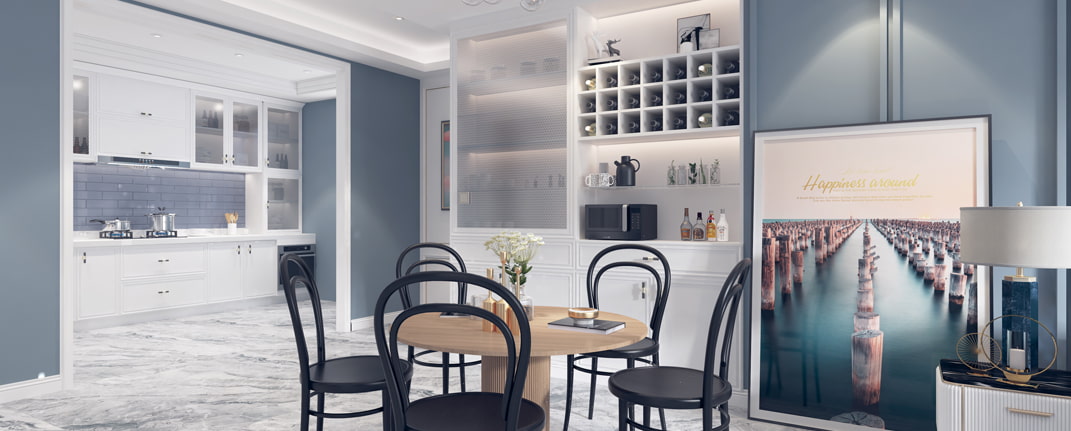
1) Inspect joinery and hardware: prioritize dovetail drawer construction and full-extension slides for everyday reliability. 2) Match finish to use: choose solid wood with a durable topcoat in high-moisture kitchens, and reserve lighter finishes for low-humidity rooms. 3) Verify factory standards and service: ensure the manufacturer documents tolerance, finish process, and warranty—this matters more than marketing language. These metrics keep decisions objective and reduce buyer’s remorse.
Summing up, solid wood wins where longevity, repairability, and cohesive design matter most; alternatives have their place for budget or rental circumstances. For practical buyers focused on long-term value, quality craftsmanship is the deciding factor—look for consistent grain, proper joinery, and proven hardware. SNIMAY shows how factory precision and finish control translate into real home value, making quality choices straightforward and dependable. —