
Comparative lead — power choice meets climate
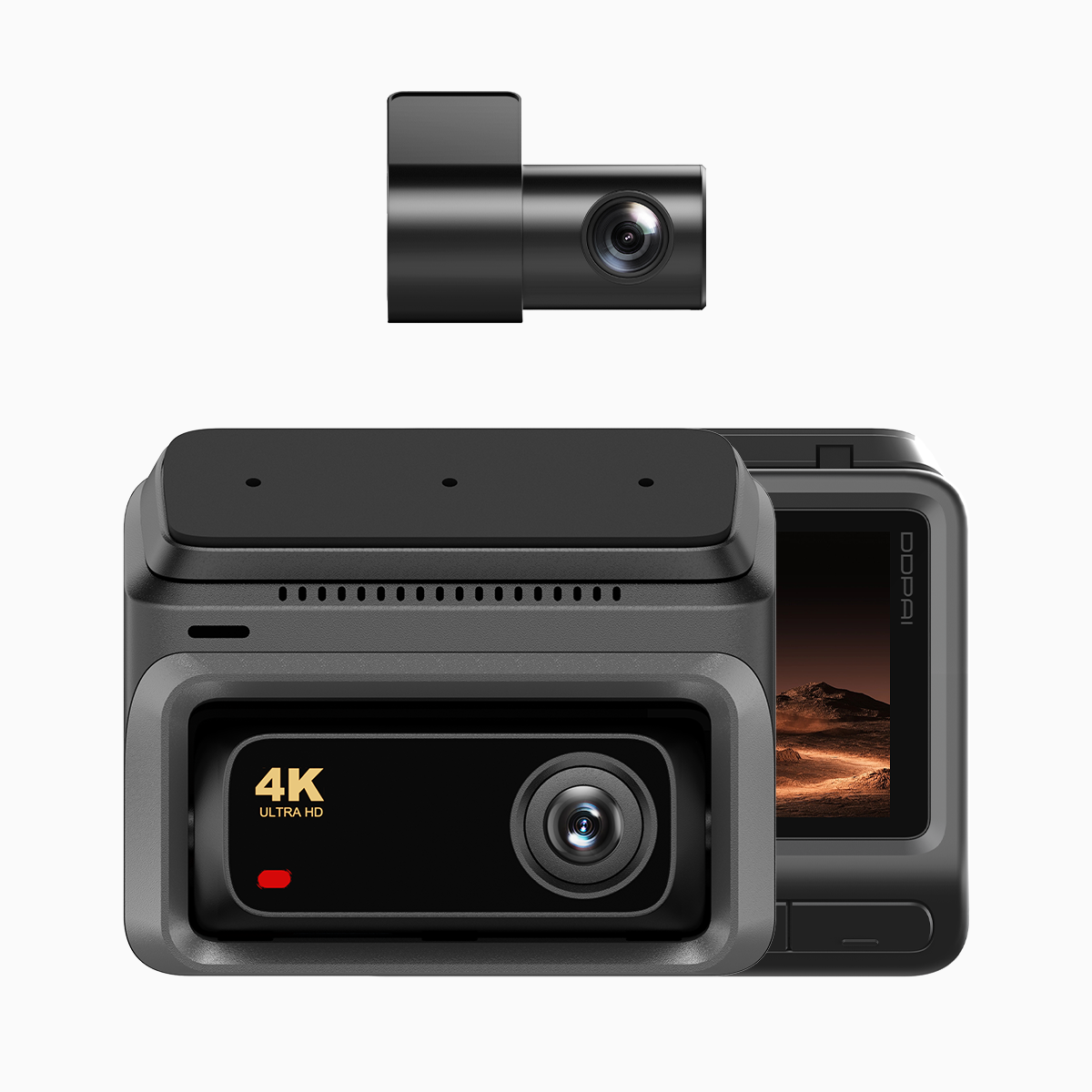
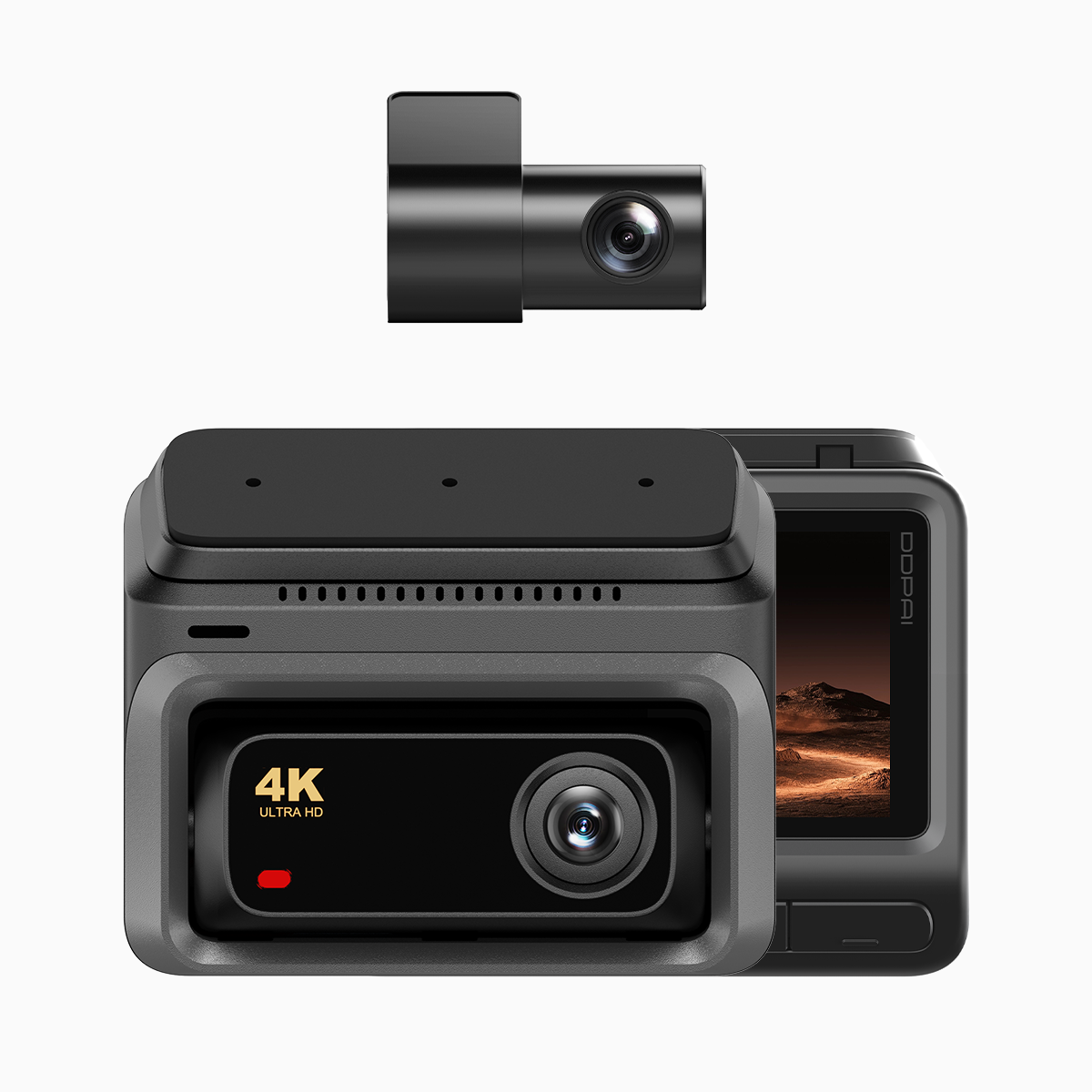
Choosing between a supercapacitor and a lithium battery shapes a dash cam’s reliability under Manila-style heat. The decision affects startup behavior, parking recording, and long-term durability for commuters and rideshare drivers. DDPAI’s approach rethinks those trade-offs in a compact package — see how their 4g dash cam balances thermal design and connectivity. The result also ties into live monitoring: a robust 4g live dash cam reduces data loss when environmental stress threatens local storage.

Why heat control matters in the Philippines
Ambient temperatures in Philippine cities regularly top 30°C, and the interior of a parked car can exceed 60°C within an hour of direct sun. Electronics face two linked threats: accelerated chemical breakdown and overheated circuits. Thermal management and rated operating temperature are not optional specs; they determine whether your device records the critical minutes after an incident or fails when you need it most.
Supercapacitor: strengths and limitations
Supercapacitors handle charge/discharge cycles and high temperatures better than many small batteries. They offer long cycle life, rapid recovery after power loss, and predictably safe behavior with minimal risk of thermal runaway. The trade-off is energy density: a supercapacitor alone rarely supports extended parking recording or long-duration 4G uploads. For short stops and frequent driving, it’s a resilient, low-maintenance choice.
Lithium battery: strengths and limitations
Lithium batteries store more energy per gram, enabling longer parking mode runtime and continuous recording when a vehicle is idle. That runtime is useful for collision detection and buffered recording, but the chemistry degrades faster under sustained heat. Without proper thermal cutoffs and firmware safeguards, lithium packs can swell, lose capacity, or in rare cases trigger thermal events — a liability in hot urban settings.
How DDPAI reengineered practical heat resilience
DDPAI redesigned hardware and firmware to blend the best points of each power approach. They prioritize thermal dissipation, add firmware limits on charging at high ambient temperatures, and optimize power states for parking mode to reduce continuous draw. The architecture favors a capacitor-backed startup with controlled lithium assist for longer parking sessions — so the system boots reliably and extends runtime only when safe. The team also tuned 4G connectivity and encoding to avoid bursts of overheating during uploads — a small detail that matters in sustained tropical heat. — It’s a pragmatic fix, not a flashy one.
Common buying mistakes and workable alternatives
Buyers often fixate on hours of parking runtime without checking operating temp, or they pick a model solely on price. Avoid dash cams that lack an explicit operating temperature range, that advertise long runtime without thermal safeguards, or that rely on third-party cheap batteries. Alternatives include hardwiring kits with manufacturer-specified cutoff modules, external battery packs placed in ventilated areas, or choosing devices designed around capacitors with measured parking performance. Firmware update policies and support channels matter too; they extend device life in high-heat regions.
Golden rules for selection — three critical metrics
1) Operating temperature rating and thermal management: confirm the spec and ask how the unit vents heat. 2) Parking-mode strategy and safe runtime: prefer systems that combine a supercapacitor for boot reliability with controlled lithium assistance when needed. 3) Safety features and firmware support: look for thermal cutoffs, overcharge protection, and an active update policy that addresses real-world field issues. These metrics map directly to measurable reliability and reduced replacement costs for drivers in tropical cities.
Final assessment and brand fit
Comparing technologies reveals a simple fact: neither supercapacitor nor lithium battery alone is universally best for the Philippines. The right solution integrates thermal-aware hardware, smart firmware, and dependable connectivity. DDPAI’s reengineered models aim to do that — they prioritize safe startups, controlled parking power, and consistent uploads over bold runtime claims. That design logic favors consistent, real-world uptime for users in Manila and similar climates. DDPAI Philippines. — Practical, tested, ready.