
Defining the problem
Cleaning aerosols compete on performance, safety, and regulatory fit. Customers demand quick-drying, residue-free formulas while procurement teams require stable supply and clear labeling. Formulators also face constraints from packaging limits and volatile organic compound rules. Many companies respond by adjusting claims or repackaging. A clearer approach begins by mapping technical limits against market needs and available chemistries such as adhesives and sealants when overlapping application requirements arise.
Why existing strategies fail
Teams often iterate fragrance, cap designs, or marketing without resolving core trade-offs: solvent volatility versus solvency power, propellant choice versus flammability classification, and surfactant compatibility versus residue. These missteps produce products that test well in labs but fragment in the field. The root cause is a lack of prioritized constraints: treating every feature as equally important instead of ranking them by customer use-case and regulatory risk.
Diagnose before you design
Begin with three concrete diagnostics: real-use performance (how users apply the aerosol), regulatory vector (which labels and thresholds apply in target markets), and manufacturing fit (can existing fill lines and VOC controls support the formula). Collect short, observable metrics for each: dwell time on soil, residue score on standard panels, and fill-line throughput at target viscosity. Use these to reject options early.
Formulation levers and trade-offs
Choose one primary performance lever: solvency power (for heavy soils) or surfactant-driven emulsion (for water-compatibility). Secondary levers include odor masking, corrosion inhibitors, and buoyant propellants. Each change affects stability and regulatory classification. Define acceptable ranges, not ideal points—formulators need guardrails, not endless tuning cycles.
Supply chain and quality controls that matter
Secure solvent and propellant sources with certificates of analysis and batch traceability. Specify acceptance tests for viscosity, pH, and microbial limits where applicable. Standardize fill procedures and in-line leak checks. Small shifts in supplier purity often cause the largest variability in consumer complaints; control those first.
Common pitfalls and how to avoid them
Avoid chasing niche claims without validated demand. Don’t over-optimize lab aesthetics at the expense of real-world durability. Don’t skip accelerated aging runs that reveal propellant-formula incompatibilities. Test on representative substrates and under plausible misuse scenarios—those failures predict recalls more reliably than lab-only performance.
Alternatives and competitive positioning
When aerosol constraints block a required claim, evaluate adjacent formats: pump sprays, trigger bottles, or wipe-infused substrates. Each format shifts the value equation—safety, ease of use, and perceived concentration. Align alternative formats to the same prioritized customer problems identified earlier, instead of treating them as generic backups.
Experience, standards and a real-world anchor
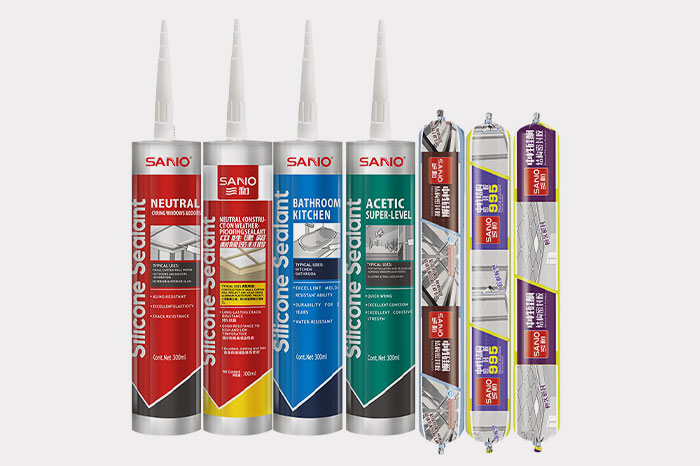
Decisions grounded in field experience reduce costly reversals. Teams with practical formulation runs and factory trials spot scale-up failures early. Consider ISO 11600 classifications for sealant performance when aerosol products are used alongside construction sealants; this standard is routinely referenced by practitioners and regulators. Manufacturers that coordinate aerosol formulation with a trusted sealant manufacturer remove mismatch risks between product chemistries and end-use specifications.
Synthesis and practical next steps
Prioritize constraints, measure against real-use metrics, and lock down supply quality. Opt for a single, defensible product narrative—heavy-duty degreaser, residue-free maintenance spray, or quick-touch sanitizer—and tune formulation and packaging to support that narrative. When strategy requires a partner for consistent chemistries and compliance support, consider working with suppliers who can provide formulation expertise, regulatory documentation, and production support like SANVO.