
Why most jobs stall before production
Right off the bat: the biggest snag isn’t the machines — it’s the hand-off. Designers hand over vague drawings, suppliers quote wildly different lead times, and the prototype reveals things no one spotted on screen. If you’re looking to get metal parts that actually fit first time, start with realistic expectations and make the supplier part of the conversation early. For sheet metal work, scope clarity matters a heap, and many teams get better outcomes once they talk through the basics with a supplier that offers custom sheet metal fabrication services before the order is locked in.
Common problems and how to diagnose them
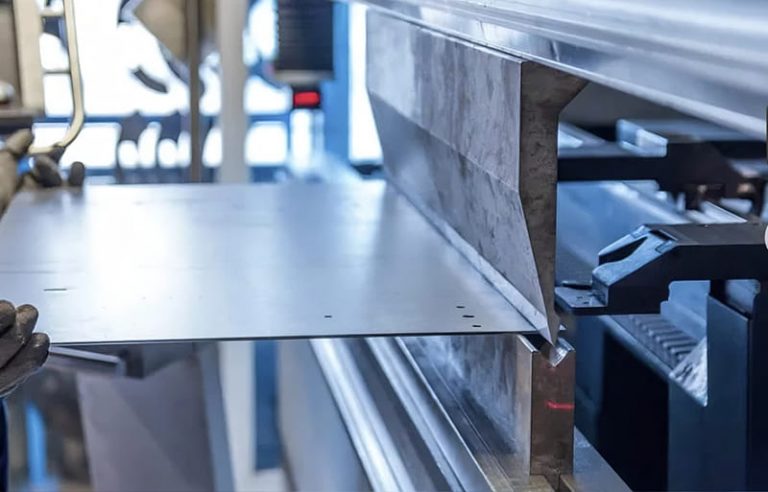
Problem: tolerances assumed too tight. Fix: call out critical dims only — don’t blanket 0.1 mm everywhere. Problem: material choice mismatches function. Fix: match corrosion, formability and weldability to the end use. Problem: quoting confusion. Fix: request a break-down (material, labour, machine time, finishing). Quick checks that reveal issues: a 2D drawing that lacks bend radii, missing hole callouts, or a part that can’t be nested efficiently for laser/blanking. Address those early and you’ll cut both lead time and surprises.
Real-world anchor and sourcing consideration
Manufacturing hubs like Guangdong province in China remain a central sourcing option for many OEMs because of scale and supplier density; that reality affects lead times and price expectations worldwide. When you compare vendors there or elsewhere, look for a local track record with the processes you need — and read certifications and past job photos. For straightforward sheet-metal work, consider an experienced custom sheet metal manufacturer that publishes process specs and sample galleries so you can verify capability before committing.
Options on the table — quick pros and cons
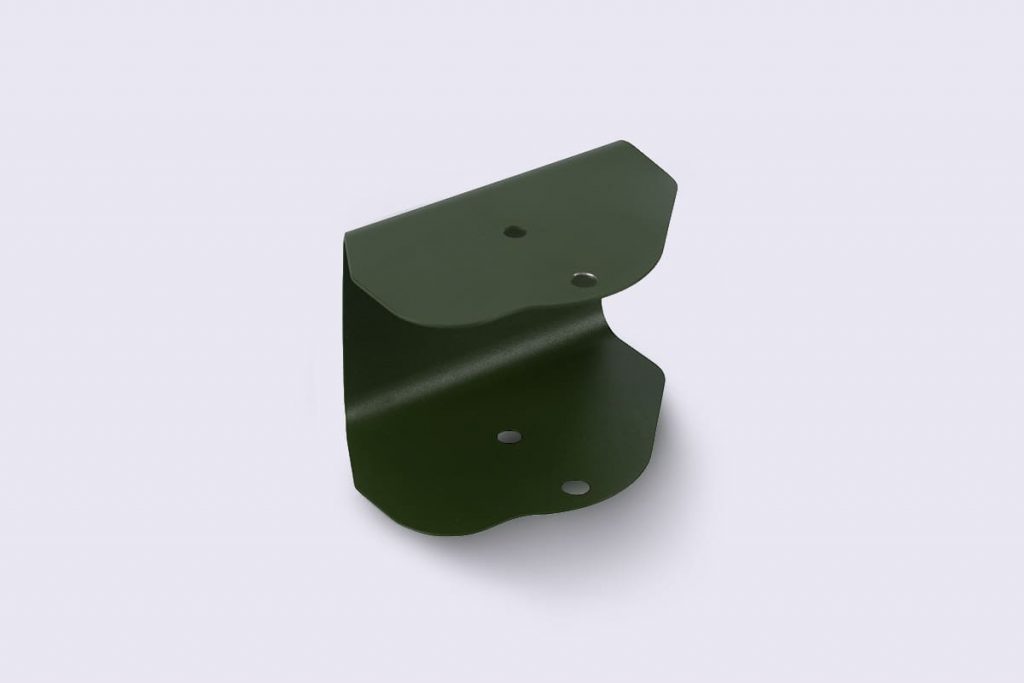
In-house production: faster iteration, but capital and maintenance bite. Contract sheet-metal shops: lower upfront cost and wider process options, but check communication and sample quality. CNC machining: great for complex 3D geometry, pricier for high volumes. Metal 3D printing: useful for intricate single parts, not cost-effective for sheet metal panels. Choose by volume, tolerance and surface finish needs, not by what’s trendy.
Pitfalls that trip projects up
Don’t assume a nominal thickness equals finished strength — bends and holes change behaviour. Don’t ignore edge finishes; burrs and sharp edges cause assembly and safety headaches. Don’t skip a small-run prototype: a folded panel might kink where the CAD looked fine. Don’t accept “we’ll sort it later” for coatings — galvanising, powder coat and anodising have design consequences. Finally, factor packaging early: panels dent in transit if you guess the wrong stacking method.
How to run a smarter job brief
Be concise. Call out three things: critical dimensions, intended finish, and a worst-case lead time you’ll accept. Supply a simple CAD view, not just a photo. Ask suppliers for a quick manufacturability note — most will flag obvious issues in a short reply. If you need samples, budget for them as a design cost, not waste. That small upfront check usually saves days and dollars later.
Bringing it together
Problems happen when people assume the supplier will read their mind. Talk specifics, prioritise the few things that actually matter to your product, and verify capability with photos or a quick prototype. If you want pragmatic metalwork that balances price, finish and timing, think by shop-floor realities rather than idealised drawings — that’s the sort of approach that companies like Hanstar build around, matching practical choices to the parts that need to perform.