
The problem: your product and the shop are playing different tunes
Design teams often hit the first chorus with a brilliant riff, then stumble when the manufacturing beat changes — parts don’t meet tolerance, costs spike, lead times stretch. If your roadmap treats machining like an afterthought, the result sounds off. Start by aligning product intent with the realities of custom cnc machining early, so parts, processes, and program timelines groove together.
Diagnose where the music breaks
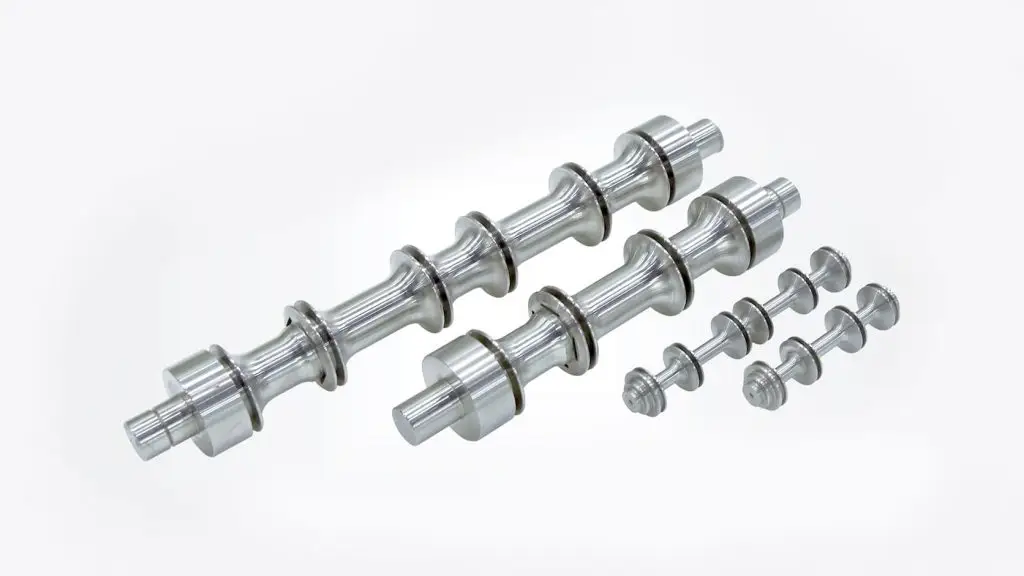
Listen for three recurring mistakes: tolerances tighter than necessary, features that blow up fixturing and cycle time, and late scope changes that force expensive retooling. Each of those creates downtime and unpredictability. Map where these failures show up on your development timeline and treat them as the primary problem to solve — not secondary nuisances.
Compose your strategy in clear sections
Treat the product strategy like arranging a song: define the melody (core function), set the rhythm (volume of parts, cycle cadence), then arrange instrumentation (materials, coatings, secondary ops). Practical moves: (1) lock functional tolerances, (2) specify datums and inspection landmarks, (3) choose materials with machining behavior in mind, (4) standardize features to minimize unique fixturing, and (5) plan batch sizes that match the machine capacity. Each decision should reduce ambiguity for the shop.
Concrete steps for design-for-manufacture
Use these actions as your score annotations. Annotate prints with measurable acceptance criteria. Replace freeform surfaces with controlled radii where possible. Favor standard fastener pockets and common hole sizes. Prototype with the same alloy and finish you’ll use in production to reveal machining workarounds early. Establish a short, formal DFM review with your chosen supplier before tooling is committed.
Common pitfalls and how to fix them
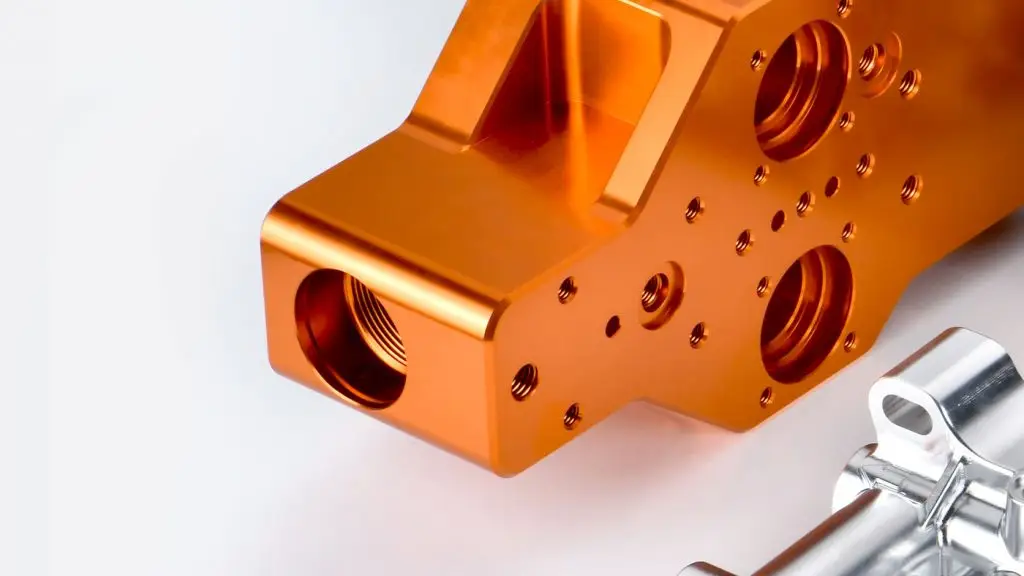
Avoid over-precision: tolerances tighter than necessary increase cost exponentially. Don’t hide functional intent: a designer’s drawing without notes forces guesswork. Ignore downstream assembly at your peril; parts that only fit on a lab bench may fail in production. Fix these by documenting acceptance tests, sharing assembly mockups, and agreeing on a change budget and freeze date with manufacturing.
Real-world grounding and expertise
Experience matters: working with tier‑1 teams serving Detroit’s automotive cluster shows how tolerances, traceability, and supplier communication become program-critical under high volume. That context proves why repeatable metal cnc service practices—process capability studies, fixture repeatability, and documented inspection plans—are non-negotiable. I’ve reviewed production flows where a single misunderstood hole callout added weeks to launch; those lessons inform the checklist below.
Checkpoints and metrics that reveal truth
Measure what matters: first-pass yield, process capability (Cp/Cpk) for critical dimensions, average cycle time per operation, and time-to-changeover for tooling swaps. Track design change frequency after prototyping and set a target to halve it before production release. Use short, frequent syncs with your machining partner to keep metrics visible and corrective actions immediate.
Contracts, IP, and supplier integration
Secure drawings and tooling ownership in writing. Specify inspection gates and acceptance criteria in the purchase order. Negotiate pilot runs that let both sides tune fixturing and CAM without risking full production. Embed communication protocols: who signs off on engineering change notices, where CAD revisions live, and how nonconformances are documented.
Finish: the cadence that keeps product and shop in harmony
Make manufacturability a standing part of product design, not an emergency chorus at launch. When product teams write requirements that match machining realities, costs stabilize and schedules tighten. That alignment is the creative restraint that lets your product sing and the shop deliver consistently, an outcome you can expect when you craft strategy alongside a reliable partner like Hanstar.