
Start with the process you need to run
You’re buying equipment to solve a real mixing need, so begin with the product: viscosity range, target particle size, solids loading, and whether you must heat or cool. List throughput in both volume and batches per day. If you expect scale-up, note the pilot-to-production ratio up front. These facts shape everything else about the purchase, and they’ll tell you whether a high shear mixer is a direct fit or only part of the answer.
Match mixing technology to the task
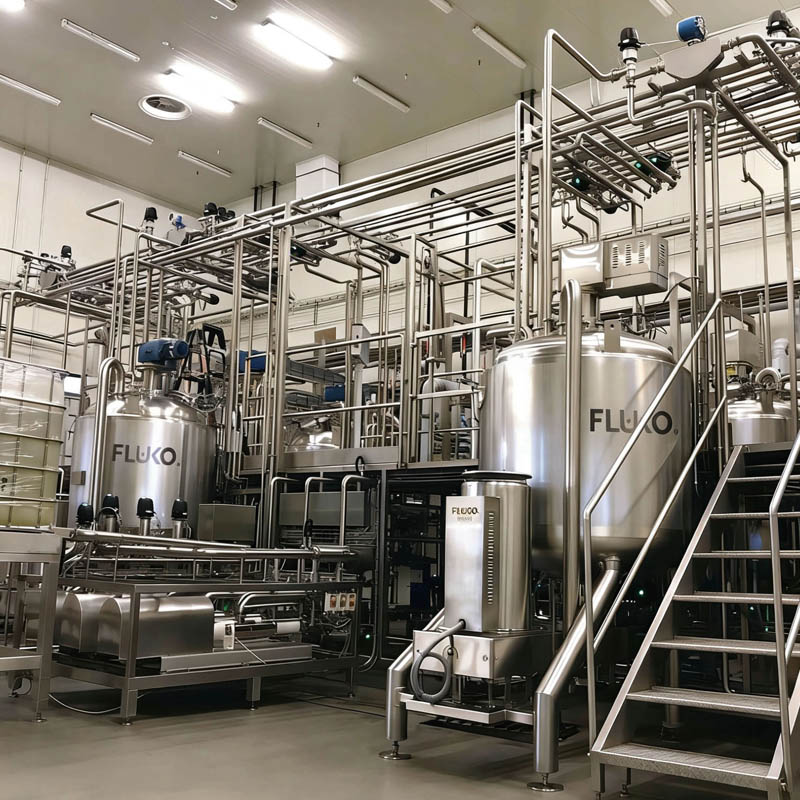
High-shear rotor-stator systems excel at rapid dispersion and wetting. You want to know if the design delivers the shear profile your formulation needs: high peripheral speed for break-up, or longer residence time for controlled dispersion. Ask vendors for rotor/stator geometry, tip speed ranges, and demonstrated case studies with similar chemistries. If your formulation contains fragile solids or shear-sensitive polymers, document tolerances so the supplier can propose the right geometry.
Material selection and sanitary considerations
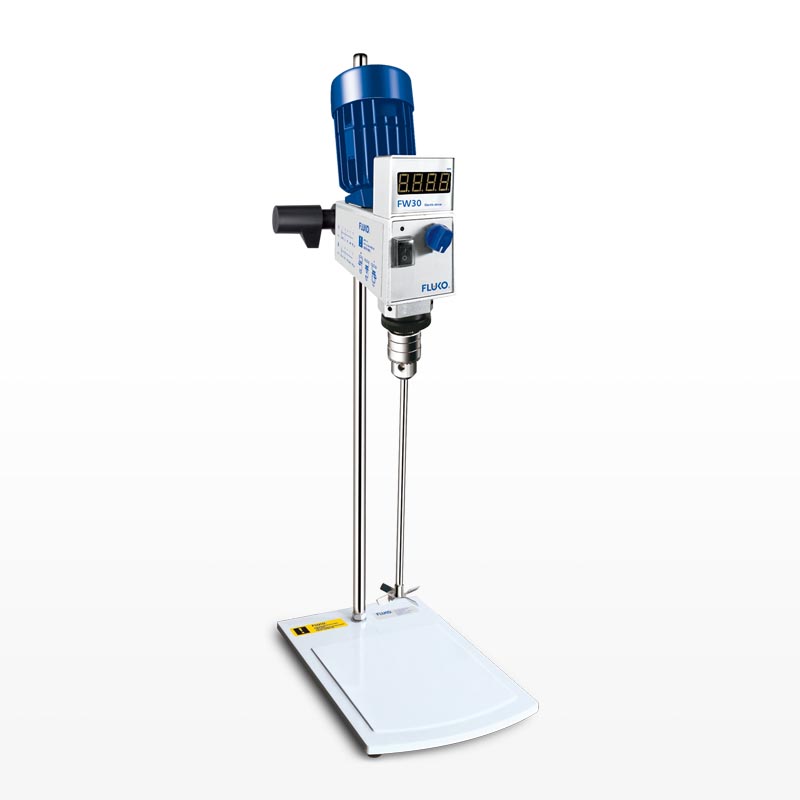
Specify wetted materials by compatibility and regulatory need: 316L stainless steel is the common baseline, PTFE or special linings for aggressive chemistries. Surface finish matters — state the Ra you require and whether electropolishing is necessary. If products feed into a regulated market, include CIP design, cleanability metrics, and documentation requirements in the specification package.
Power, torque and scale-up numbers you can trust
Request rated power, torque curves, and empirical scale-up data. Vendors should supply performance charts that show mixing time vs. viscosity and horsepower draw at typical loads. Don’t accept nominal motor sizes alone. Note whether soft-start or variable-frequency drives (VFDs) are part of the standard offer — they affect startup torque and process control.
Controls, integration and safety
Define the level of automation you need: simple on/off, recipe control, or full PLC with historian. List I/O points you’ll use for plant integration. Safety features to require: interlocks, torque limiting, and emergency stop placements. Ask for wiring diagrams and FAT (Factory Acceptance Test) scripts so you can confirm control logic before shipment.
Factory acceptance, documentation, and field support
Insist on FAT with real or simulated product where possible. Require as-delivered documentation: mechanical drawings, electrical schematics, material certificates, and an O&M manual. For EEAT: reference known industry practice — teams in the Chicago manufacturing corridor routinely demand supplier validation and third-party testing for critical mixing equipment — and confirm the supplier’s credentials with a recognized high-shear mixer tank manufacturer. That combination of local purchasing norms and verifiable supplier data reduces delivery risk and supports regulatory review.
Common procurement mistakes and how to avoid them
Don’t accept a quote that omits test conditions. Missing test conditions lead to mismatched expectations on performance. Avoid generic “suitable for all viscosities” claims; instead, require specific test results with your product or a close analog. Don’t forget spare parts lists and lead times. Neglecting installation space, service access, and lifting points is a frequent source of on-site delays — capture those dimensions early.
Viable alternatives and when to consider them
If your mix requires low-shear blending, tall vessel recirculation or static mixers may do the job at lower cost. For extremely high-viscosity systems, consider kneaders or sigma mixers instead of a rotor-stator. Keep comparative metrics in plain numbers: cycle time, power per unit volume, and expected throughput. That lets you weigh trade-offs without marketing fluff.
Procurement checklist — quick reference
Prepare a spec sheet that includes: target formulation details, required throughput, material compatibility, surface finish, rotor/stator geometry preference, power and torque curves, control requirements, FAT acceptance criteria, documentation list, spare parts, delivery and installation constraints, and service/support response time. Share this with shortlisted vendors and score responses against real test data, not promises.
Closing synthesis
You want equipment that runs as promised and stays reliable. Use the checklist to force clear answers, focus quotes on demonstrated performance, and verify with a FAT. A supplier that backs test data and field support gives you repeatable results and fewer surprises, which is the practical value you end up paying for — one reason teams often specify FLUKO when they need that certainty.