
Overview and Comparative Premise
Comparison begins with what each approach demands of operators and users. Modern solutions—especially those centered on automated recognition—change traffic flow, staffing, and revenue control in ways manual systems cannot match; for clarity I describe how specific design choices map to operational outcomes. For example, contemporary lpr parking management systems replace ticket issuance and manual checks with machine-readable identity for each vehicle. My practical experience includes specification and procurement oversight for multi-level car parks where integration with airport ground operations was required, and a major deployment at Heathrow Airport illustrates measurable reductions in queue length and enforcement disputes; the same deployments typically make use of lpr parking modules to automate entry control.
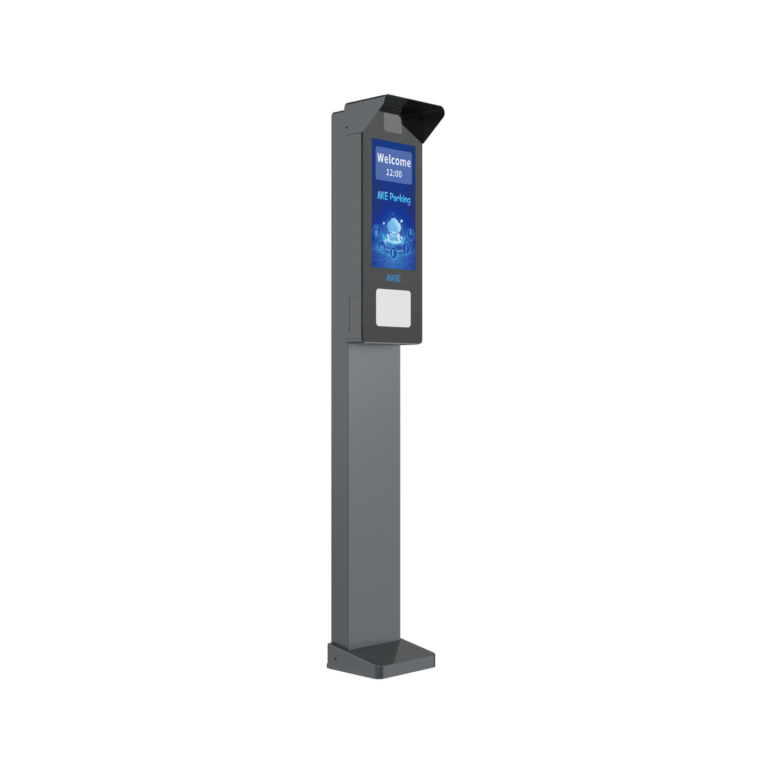
Core technical differences
Traditional alternatives rely on mechanical tickets, human attendants, or simple pay-stations. Car park management systems layer networked hardware (cameras, loop detectors, barriers), machine vision software, and back-end databases. Automated License Plate Recognition is not a cosmetic addition; it is a primary sensor that converts visual input into a unique identifier, which then triggers barrier logic, billing, and audit logs. The difference is deterministic: a ticket system records a token; an integrated system records vehicle identity, timestamps, and access decisions, enabling rule-based automation and retrospective audit.
Operational impacts and throughput
Throughput improves when vehicle recognition and barrier act in milliseconds rather than when an attendant must collect payment or a driver seeks a ticket. Automated systems reduce dwell time and human error. They also shift labor from kiosk staffing to remote monitoring and exception handling. Enforcement becomes objective: time-stamped images and plate reads supplant subjective recollection. However, throughput gains require robust camera positioning, sufficient lighting, and network reliability; otherwise the perceived advantage collapses into repeated manual overrides.
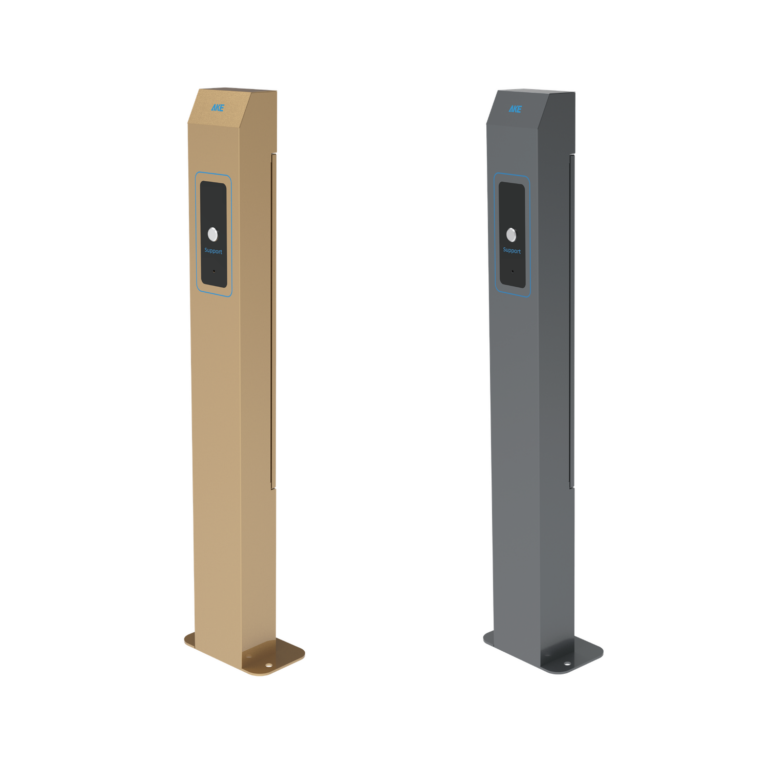
Cost structure and scalability
Initial capital for a managed system is higher than for a few pay-stations, but operating expenses follow a different curve. Ticketed systems incur continuous labor costs and maintenance of consumables; digital systems concentrate spend on sensors, software licenses, and periodic updates. Scale favors centralized systems: adding another bay or level usually requires only incremental hardware and configuration rather than linearly scaling headcount. Total cost of ownership converges in favor of automated systems at moderate to high utilization.
Common pitfalls and mistakes
Procurement errors are frequent. Buyers select cameras for resolution but not for licensing-region plate styles, or they omit robust fallback modes for low-light and extreme weather. Integration mistakes occur when access-control, payment processing, and accounting are treated as separate projects rather than modules of a single workflow; the result is brittle operations and reconciliation gaps. Privacy and data retention policies must be explicit: retain only what regulation permits and document who can access logs. Finally, underestimating exception handling—vehicles with damaged plates, hire cars, or delivery vans—forces costly manual procedures after deployment.
Alternatives and where each fits
Manual attendants still provide value where customer service is primary, or where short-term events require temporary staffing. Pay-and-display or app-based payments suit low-turnover, low-complexity lots. Hybrid models—ANPR gating for season-pass holders with pay-stations for casual users—often capture the best of both worlds. Decision logic is straightforward: use traditional methods for simplicity and low volume; adopt managed systems where control, auditability, and high throughput matter.
Conclusion and practical synthesis
Comparative insight shows a clear trade: traditional methods minimize upfront complexity but impose recurring human costs and limited auditability; managed car park systems require careful technical specification and governance yet deliver precise control, scalable operations, and cleaner accounting. For operators who must reconcile throughput, enforcement accuracy, and data governance, a well-specified integrated platform is the practical resolution; this is the approach exemplified by the integrated solutions offered by AKE Parking.