
Framework overview and baseline
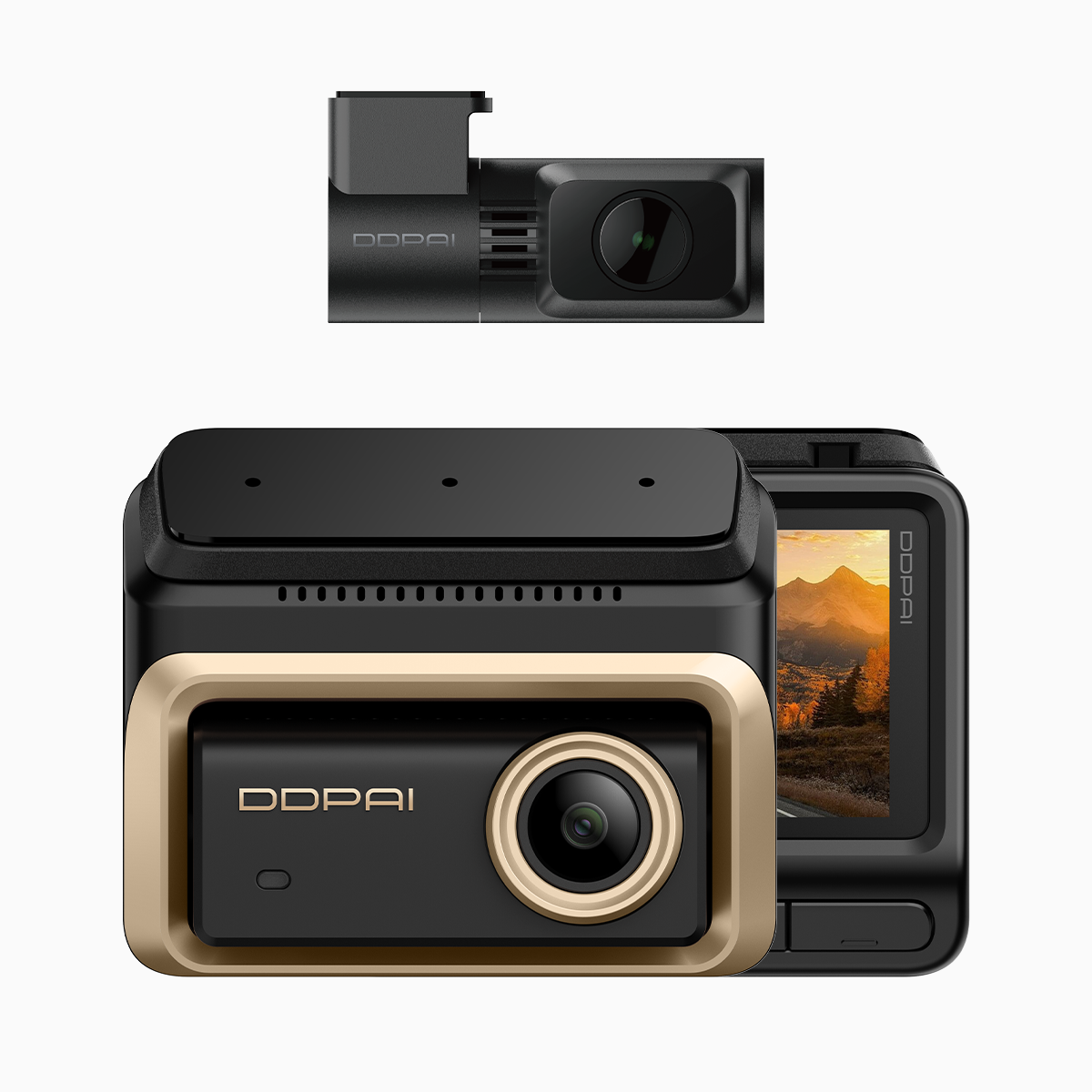
This framework lays out a clear path to standardize G-sensor sensitivity and emergency video locking across a mixed fleet of mini dash cams, starting from policy to field verification. Begin with hardware that supports configurable event lock and reliable timestamping — for many fleets that means selecting a robust 3 channel dash cam with adjustable G-sensor thresholds, multiple bitrate profiles, and stable loop recording behavior. The objective is simple: reduce false locks, preserve critical footage, and make post-incident review fast and defensible.
Step 1 — define objectives, roles, and thresholds
Set measurable goals: maximum acceptable false-positive rate for event locks, minimum locked-video duration, and retention period per vehicle. Assign responsibilities: technicians for calibration, operations for policy enforcement, and analysts for audit. Use a short baseline test—controlled bumps and braking sequences on a depot lot—to record nominal G-sensor readings and identify a starting sensitivity for each vehicle model.
Step 2 — create calibration tiers and deploy profiles
Group vehicles by mounting position and suspension type. Create three calibration tiers: low-sensitivity for rigid mounts and urban routes, medium for mixed service routes, and high only for parking impact detection. Apply settings centrally where possible and push firmware-stored profiles to devices. During roll-out, sample 10% of the fleet for 48–72 hours to validate lock rates against the baseline—tweak thresholds until the ratio of true event locks to false locks meets targets.
Step 3 — storage policy, loop recording, and event lock handling
Define ring-buffer size, overwrite rules, and protected-event behavior. Prioritize event lock retention above general loop files; ensure event lock flags prevent automatic overwrite until an administrator releases them or retention expires. Parking mode requires different handling: use lower bitrate to conserve space but lock events aggressively for hit-and-run evidence. Avoid setting sensitivity to maximum—this causes excessive event lock files and increases upload costs during remote retrieval.
Step 4 — firmware, telemetry, and remote monitoring
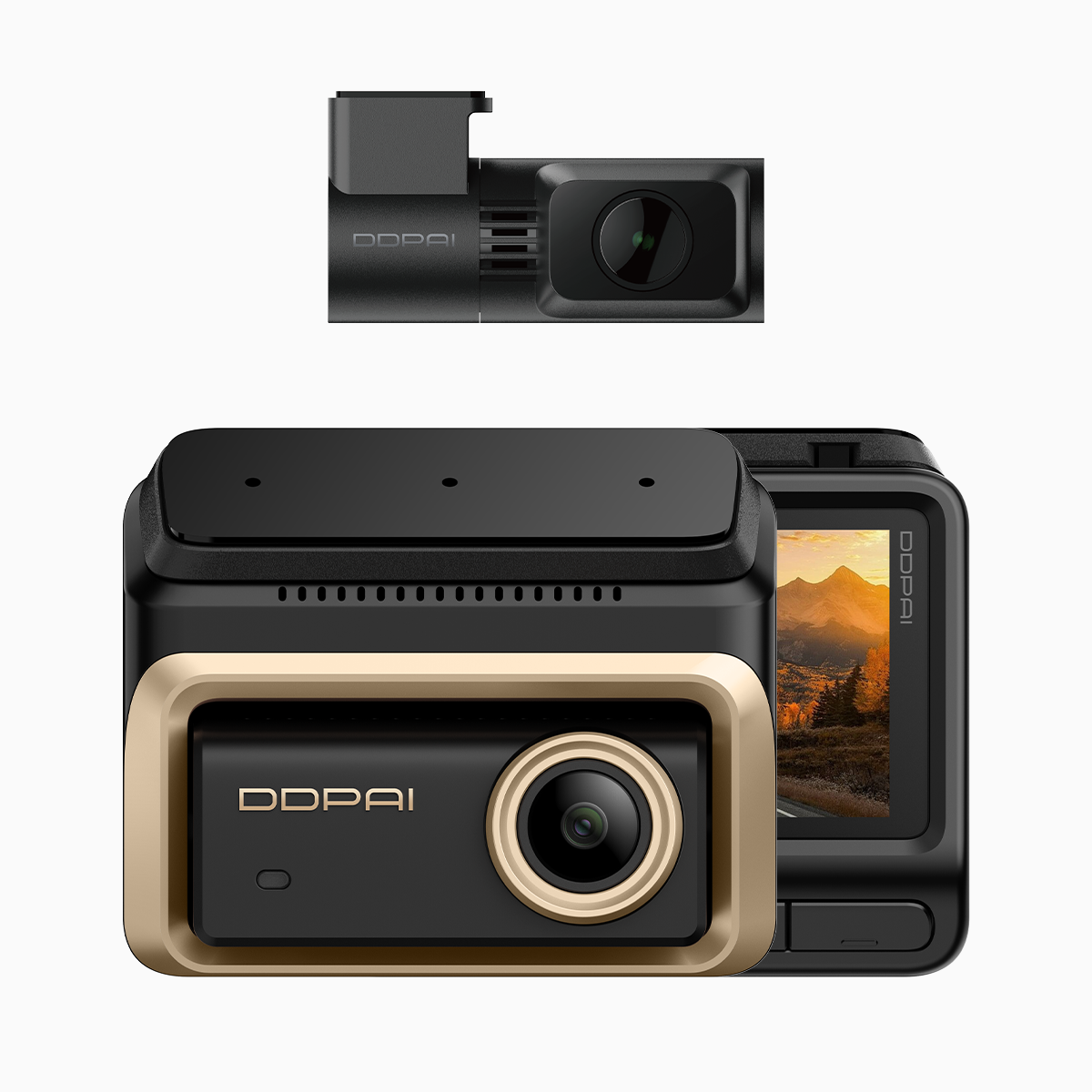
Standardize firmware across the fleet to avoid inconsistent sensor responses. Implement telemetry to report lock counts, firmware version, and timestamp drift. Use automated alerts for anomalous spikes in event lock frequency; those often indicate physical mount issues rather than true incidents. For hardware choices, evaluate options like a 3 camera dash cam if multi-view evidence reduces ambiguity during investigations.
Common mistakes and practical alternatives
Most failures come from three sources: inconsistent mount torque, unchecked firmware divergence, and uniform sensitivity applied to diverse vehicle types. Replace the one-size-fits-all approach with profile-based deployment. If telemetry costs are a concern, sample telemetry on rotating subsets rather than full-fleet continuous reporting—this preserves visibility while controlling data usage.
Implementation checklist and verification
Deploy with a short acceptance protocol: bench calibration, depot drive test, 72-hour field verification, and weekly telemetry checks for the first month. Log event lock counts, video integrity, and timestamp consistency. Use this data to iterate settings and lock retention policies. Anchor this process to a real-world reference: fleets operating around Metro Manila historically face high rates of parking impacts and need distinct parking-mode profiles to capture hit-and-run incidents reliably.
Golden rules for procurement and tuning
1) Prioritize devices that expose G-sensor thresholds and event lock behavior in firmware; hardware with opaque settings increases operational overhead. 2) Measure effectiveness with three metrics: false lock rate per 1,000 km, median event retention time, and percentage of incidents with multi-angle evidence. 3) Standardize firmware and mount procedure across depots before scaling—unchecked divergence is the single largest cost multiplier.
Small, disciplined changes yield disproportionate reductions in false locks and faster incident resolution—learn from the field, then codify.