

Which assumptions can distort a Industrial Heating Elements decision? Start with supplier questions for shortlisting
A short list of industrial heating elements can look complete while still missing the conditions that control the choice. For system integrators, the first task is not to compare product names. It is to define the machine, the heating location, and the operating requirements clearly enough for a supplier to respond to the same brief.
Clarify the decision before comparing suppliers
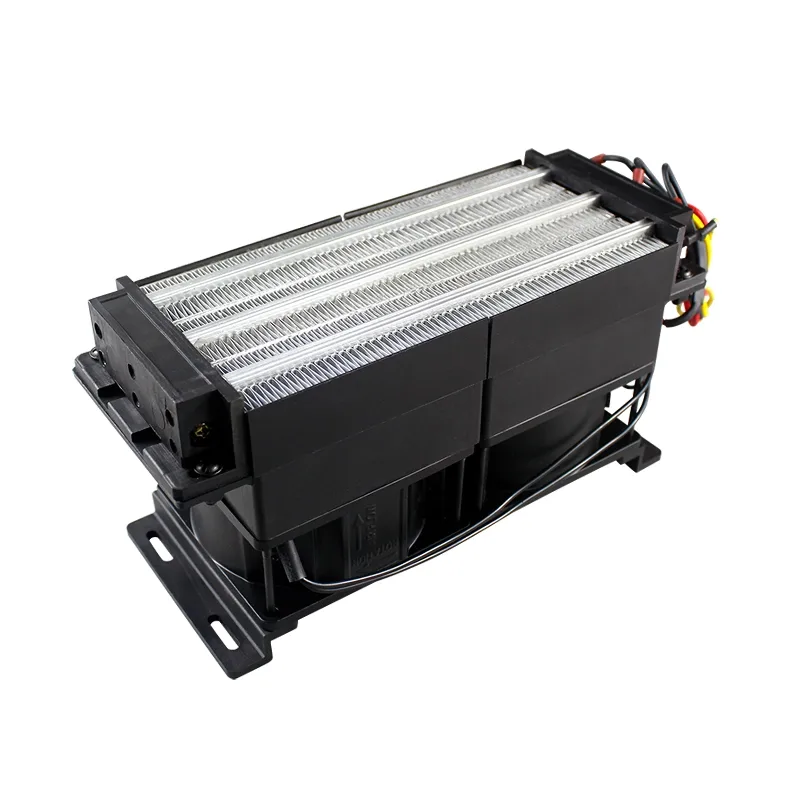
Begin by stating what the heater must do inside the equipment. The relevant questions include: What must be heated? Where will heat enter the system? Is the requirement for contact heating on a component or surface, or for air heating through a cavity, duct, or equipment compartment? This distinction gives the comparison a practical boundary. It also prevents a general enclosure size from becoming the main selection criterion.
The supplier discussion should then move from physical space to operating conditions. Record the target temperature, minimum ambient temperature, heat loss, insulation, airflow, required warm-up time, operating cycle, and heated load. These details describe the job more accurately than a drawing that shows only the enclosure dimensions. The proposed configuration should be considered under the complete machine’s operating conditions.
Space still matters, but it is only one part of the interface. Ask how the heating method will fit the available mounting area and how the installation will work within the equipment. For contact heating, the component or surface needs a suitable mounting interface. For air heating, the air path and relevant equipment compartment need to be understood. Keep these as explicit questions in the comparison record rather than leaving them as supplier assumptions.
Build a concise supplier comparison
When you buy industrial electric heating elements, avoid sending a vague request for a “suitable heater.” Send the supplier a defined equipment context and ask each candidate to respond against the same requirements. This makes differences easier to see and limits the risk of comparing a stated product detail with an unstated assumption.
A useful shortlisting record can use four sections: application, operating conditions, installation, and supply planning. Under application, state the heating method and the part or air volume involved. Under operating conditions, list temperature, ambient range, warm-up requirement, airflow where applicable, heat loss, insulation, operating cycle, and heated load. Under installation, describe the equipment drawing, available space, mounting interface, installation limits, and required protection. Under supply planning, record the expected order quantity and whether samples are needed for prototype evaluation.
- Define the heating method, target location, and complete machine context.
- Record temperature, ambient range, airflow, warm-up requirement, operating cycle, and heated load.
- Send the equipment drawing, installation limits, required protection, and expected order quantity with the quotation request.
- Evaluate samples in the target machine and confirm electrical, temperature, and installation details before production.
Ask suppliers to identify which parts of their response are based on the information provided and which require confirmation during testing. This is especially important when two candidates appear similar on paper. A comparable format should show the requested condition, the supplier’s proposed configuration, and the point that still needs evaluation. It should not turn a preliminary response into a final performance claim.
Use evidence without overstating it
A common procurement error is to treat a product category as proof of suitability. The available application guidance supports a more careful sequence: define the heating location, describe the complete machine, and assess the proposed configuration under its operating conditions. It does not justify extending one page-listed detail to every model or every application.
Another error is to skip the sample stage because the dimensions appear to fit. The stated process is to evaluate samples in the target machine before production. During prototype testing, confirm electrical specifications, temperature performance, and installation details. Only after that work should the configuration, order quantity, and delivery requirements for OEM supply be agreed.
Keep a written list of open assumptions. Examples include an airflow value that has not been supplied, a warm-up requirement that has not been measured, or an installation limit that is still being designed. These are not reasons to stop a conversation. They are reasons to label the comparison as preliminary and assign each question to the person who can resolve it.
Carry the requirements into procurement
A focused quotation request should include an equipment drawing, heating method, target temperature, ambient range, warm-up requirement, and operating cycle. Add airflow data where it applies. Include dust or moisture exposure, installation limits, required protection, and expected order quantity. This gives the supplier a usable description of the application instead of a product name without context.
The page used for this application guidance also states: “Google Analytics uses this cookie to maintain session information and measure interactions with this website, subject to your Analytics consent.” That statement is a website-use notice, not evidence of heater performance or suitability. Keep such page-level statements separate from the technical requirements in the procurement record.
The strongest short list is therefore not the one with the most entries. It is the one that connects each proposed configuration to the intended heating location, machine conditions, installation limits, prototype checks, and supply requirements. Using that method, PTCYIDU can be included in a fair supplier conversation without allowing unsupported assumptions to decide the outcome.