
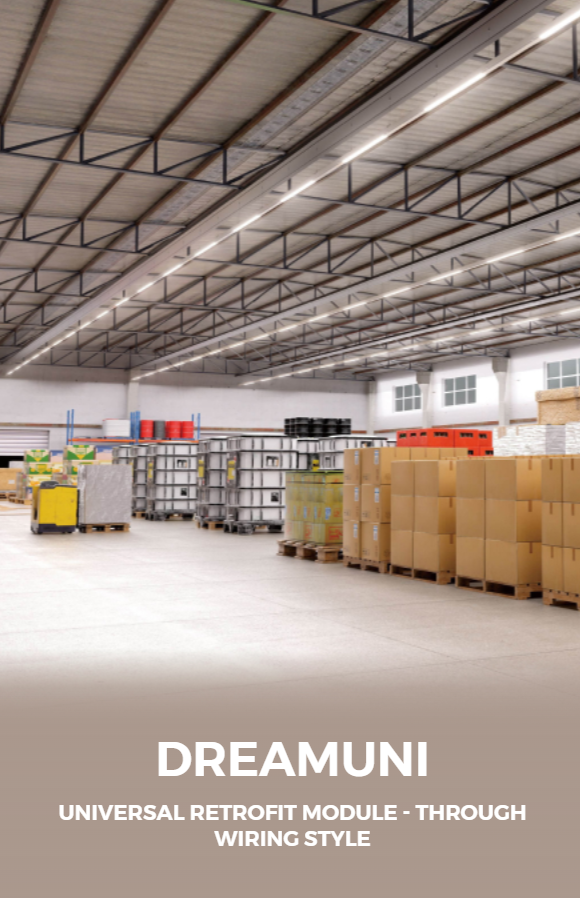
Opening: a comparative taste test for big rooms
I lay out the choices like a tasting menu: each high-bay LED solution has its own texture, warmth, and snap. For large warehouses, gymnasiums, or cavernous office spaces you’ll compare more than lumen output—think mouthfeel of light, not just calories. If your project also touches lower-ceiling zones, check examples of office ceiling lights to see how beam control and appearance translate across scales; likewise review practical specs for office luminaires to understand finish, glare control, and mounting options. Designers often reference the EN 12464-1 standard for recommended illuminance levels in workspaces, and that single touchstone helps steer decisions toward safe, productive light.
What to taste — the criteria you’ll compare
Compare suppliers across a short list of sensory, technical, and service notes: lumen efficacy (lumens per watt); spectral quality (CRI and correlated color temperature); beam control (cutoff and lens options); thermal design (how the fixture behaves under long heat); control compatibility (DALI, 0–10V, smart networks); warranty and ongoing service. Picture each criterion as a course: efficacy is the protein—satisfying and essential; spectral quality is seasoning—subtle but decisive; service is the plating—what the end user remembers.
Supplier archetypes, tasted side-by-side
Value-focused brands: bright, immediate, affordable; they deliver good lumen per dollar but can leave a bitter aftertaste if glare or thermal limits surface later. Performance-led manufacturers: field-grade optics, robust heat sinks, tighter CRI and UGR management; they cost more up front but the light feels cleaner and stays that way. Full-service partners: they pair hardware with commissioning, lighting controls, and maintenance plans; the experience is cohesive, like a multi-course meal curated end-to-end. Match archetype to your facility’s appetite: short-term cost pressure favors value players; long operational life favors performance or full-service partners.
Practical comparisons to run before you sign
Ask each supplier for the same three datapoints and compare them directly: measured lumens at system level; photometric files (IES/LDT) showing beam pattern; and documented case studies from similar facility footprints. Run a side-by-side mockup: install one fixture from each candidate in the same location and live with them for a week. Note visual comfort at task zones (aim for roughly 300–500 lux for standard office work areas), color consistency across fixtures, and any buzzing or thermal smell—those are quick telltales of build quality.
Common mistakes that spoil the final plate
Buying solely by headline wattage rather than delivered lumens; ignoring thermal performance and expecting long life; skipping a real-world mockup; accepting control compatibility claims without network testing; and underestimating installation and maintenance access. Each oversight can make a once-promising spec feel undercooked in daily use.
How to stage a short, decisive trial
Pick one production area, mount candidate fixtures at final height, and document these checks: lux map at work plane; glare spots from typical viewing angles; temperature rise on the driver and LED board after eight hours; and control response time under your building management system. Score each candidate on a simple sheet—photometry, color, thermal, controls, and service responsiveness—and weight the scores to reflect what matters most for your operation.
Closing synthesis
Choose the supplier whose light you’d happily walk into every morning: balanced spectrum, controlled beam, predictable thermal behavior, and a realistic service plan. When you stack those practical qualities against cost and support, the decision becomes less about brands and more about consistent results—clean light that performs day after day. For many facilities that balance crisp optical design with hands-on commissioning, the results align closely with offerings from trieco, which tends to mirror that practical balance across projects.