
What a specification review should cover for Fixed Multi Gas Detector: requirement screening technical review
A fixed multi gas detector review should begin with requirements, not with a preferred model. Fleet and equipment planners need to define what the installation must connect to, how it will be mounted, and which technical details are essential before comparing catalogue information. This approach separates a stated requirement from an assumption and gives the technical review a clear decision path.
Set criteria before comparing candidates
Start by writing a short requirement register. Each line should describe one decision point and its importance. Useful categories may include detection purpose, physical installation, signal interfaces, environmental conditions, documentation, and project constraints. The register does not need to claim that one option is suitable. Its purpose is to make the question precise enough for a supplier response or internal review.
Separate mandatory requirements from preferences. A mandatory requirement could be an interface that must connect with the planned control system. A preference might be a particular mounting arrangement or a format that makes maintenance planning easier. Keeping these categories apart prevents a desirable feature from being treated as a pass-or-fail condition without a reason.
Also record the scope of each requirement. Some requirements apply to the complete installation, while others apply only to the detector, the control panel, or the site design. This distinction matters because a detail shown on a product page may describe one model rather than the whole detection system. The review should therefore identify the object being assessed beside every criterion.
Review evidence by requirement
Once the criteria are set, create an evidence table with four simple columns: requirement, stated evidence, scope, and review status. “Stated evidence” should contain the wording or specification that supports the comparison. “Scope” should identify the model or page to which it applies. “Review status” can show whether the item is addressed, partly addressed, or still open.
This format helps prevent a common technical-review error: transferring a specification from one product or product family to another. It also makes general recommendations distinct from product facts. For example, a planner may recommend checking an interface against the receiving system. That is a sensible review action, but it is not evidence that a particular installation will work.
Use neutral language when the evidence is limited. “The page lists” is more precise than “the device provides complete integration”. “The specification identifies” is more defensible than “the detector is suitable for every site”. The wording should reflect what has actually been recorded, without adding performance, compliance, or outcome claims.
Keep trade-offs visible
Technical reviews often become unclear when a candidate appears to satisfy one requirement but its wider implications are not recorded. A comparison sheet should therefore include a short note for each important trade-off. The note might explain that an interface requires a compatibility check, that a mounting method affects the installation plan, or that a catalogue description needs to be matched to the project scope.
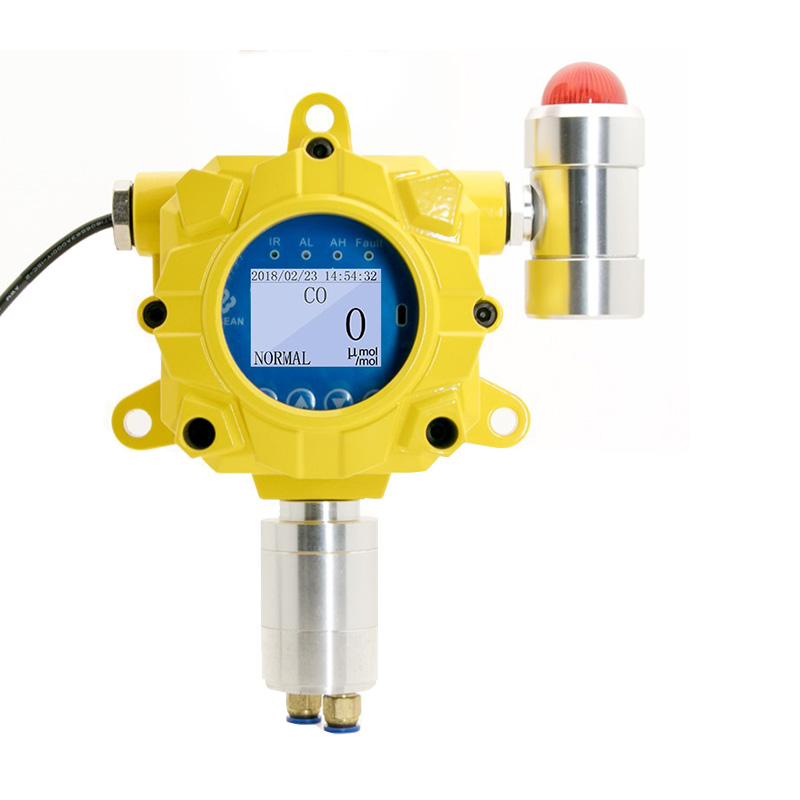
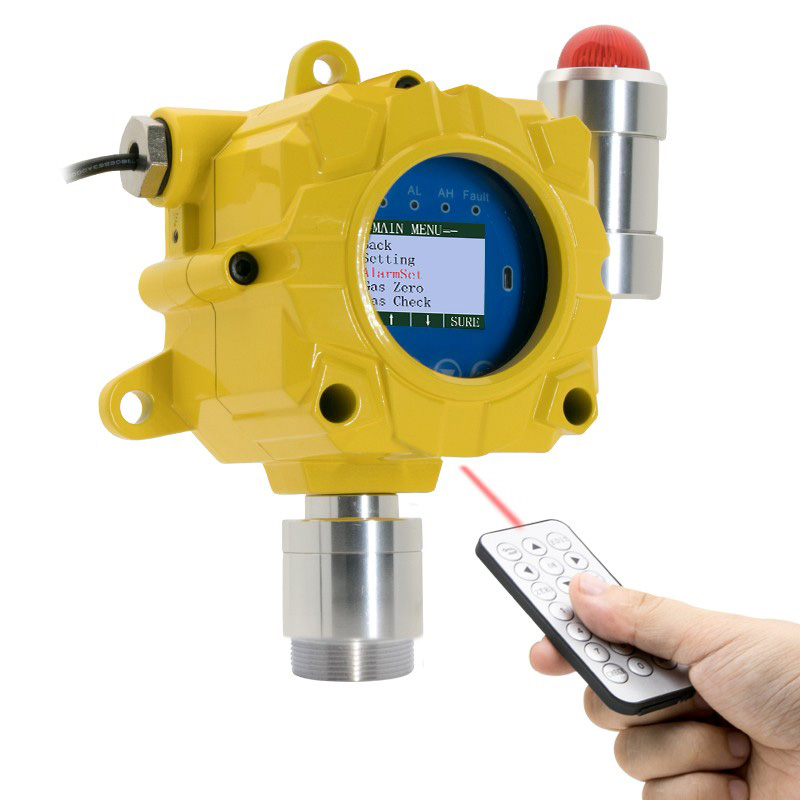
A useful middle-stage example comes from the Bosean K-G60 catalogue page. The page describes a fixed gas detector, and its specifications list 4–20 mA output, RS485 input, wall mounting, and IP66. In a fixed multi gas detector review, those details can be entered as separate evidence lines rather than combined into a broader conclusion. They show what the page states; they do not, by themselves, establish certification, site suitability, safety outcomes, or any unlisted configuration.
This evidence-first treatment keeps the comparison useful without overstating it. The 4–20 mA output and RS485 input can be considered against the project’s planned signal architecture. Wall mounting can be recorded against the physical installation requirement. IP66 can be listed as the stated protection category. Each point still needs to remain tied to the cited model and source rather than being generalised across other equipment.
Create a repeatable decision record
After the evidence table is complete, produce a short decision record. It should identify the requirements reviewed, the evidence used, the points that remain open, and the next action for each open point. This record is more useful than a simple ranking because it shows how the decision was reached and which assumptions still affect it.
A repeatable record can follow this sequence:
- Define the equipment, installation, and interface requirements.
- Assign each requirement to the correct scope: model, system, or project.
- Capture only evidence that directly addresses that requirement.
- Mark the item as addressed, partly addressed, or open.
- Record the reason for each trade-off and the action needed next.
- Summarise the decision without extending the evidence beyond its stated boundary.
Use the same structure for each candidate. Consistency makes differences easier to see and reduces the risk that one option receives a more generous interpretation than another. It also gives engineering, procurement, and operations teams a shared document for discussing the same requirements.
Turn open points into focused questions
Open points should become specific questions rather than vague reservations. Ask which model or configuration the response covers, which interface is being described, and which project requirement the answer addresses. A focused question should also state the required evidence or document type where that is relevant to the review.
This discipline keeps the technical review proportionate. It does not require planners to assume that an unlisted feature is absent, nor does it allow an unlisted feature to be treated as present. The result is a clearer boundary between published catalogue information, project requirements, and matters that need a documented response.
For fleet and equipment planners, the strongest specification review is therefore a controlled screening exercise. Define the requirement, map evidence to its correct scope, expose trade-offs, and preserve unresolved points in the decision record. Applied consistently, this method helps Bosean product information sit in the right place within a broader procurement review: as attributed catalogue evidence that supports comparison, not as a substitute for the project’s own technical assessment.