
User-focused lead
Companies plan displays around use-cases: boardroom presentations, reception branding, or large training theaters. This guide centers on those user needs and shows how component choices translate to everyday results. For an immediate example of scale and impact, look at Times Square installations and the visual density at trade shows like CES where large-format LED Video wall systems set expectations for brightness and legibility. The aim here is simple: pick the right panel so your teams spend time using the display, not fixing it.

Understand workspace needs
Start with the room. Determine viewing distance, ambient light, and content type. Pixel pitch directly controls perceived sharpness at close range; smaller pitch for meeting rooms where participants sit near the screen, larger pitch for distant auditoriums. Consider viewing angle and brightness in candela per square meter when daylight leaks into conference areas. These specifications guide procurement choices and avoid costly over-specification.
Selecting panels: key specs to prioritize
Focus on three practical specs first: pixel pitch, refresh rate, and color uniformity. Pixel pitch defines clarity. Refresh rate matters when you display live video or fast transitions—higher refresh reduces motion artifacts. Color uniformity and calibration ensure consistent skin tones and brand colors across multiple modules. Ask vendors for measured brightness, native contrast, and proof of factory calibration. Insist on a simple calibration routine for site tuning.
Integration and installation considerations
Plan the mounting, cabling, and processing chain as one system. Choose a chassis that supports front or rear service based on wall placement. Specify the control processor and content server so playback is reliable. Network management must allow remote monitoring for health checks and firmware updates. Warranty terms should include module replacement lead times and service response within your region. For corporate campuses, negotiate on-site spares and scheduled calibration visits.
Operational production teardown
Break the project into operational stages: design, procurement, installation, and handover. During design, map the pixel pitch to seating charts and define content resolutions. In procurement, verify vendor references and test units on-site. During installation, run full-system tests for hot pixels and color drift. Handover must include training and an operations checklist. Common mistakes: buying panels without testing uniformity, underestimating heat dissipation, and skipping long-term support agreements—these create recurring downtime. Also, connect content workflow early to avoid last-minute scaling—this is where a robust led wall controller saves time. —Note: field spare policies reduce risk of long outages.
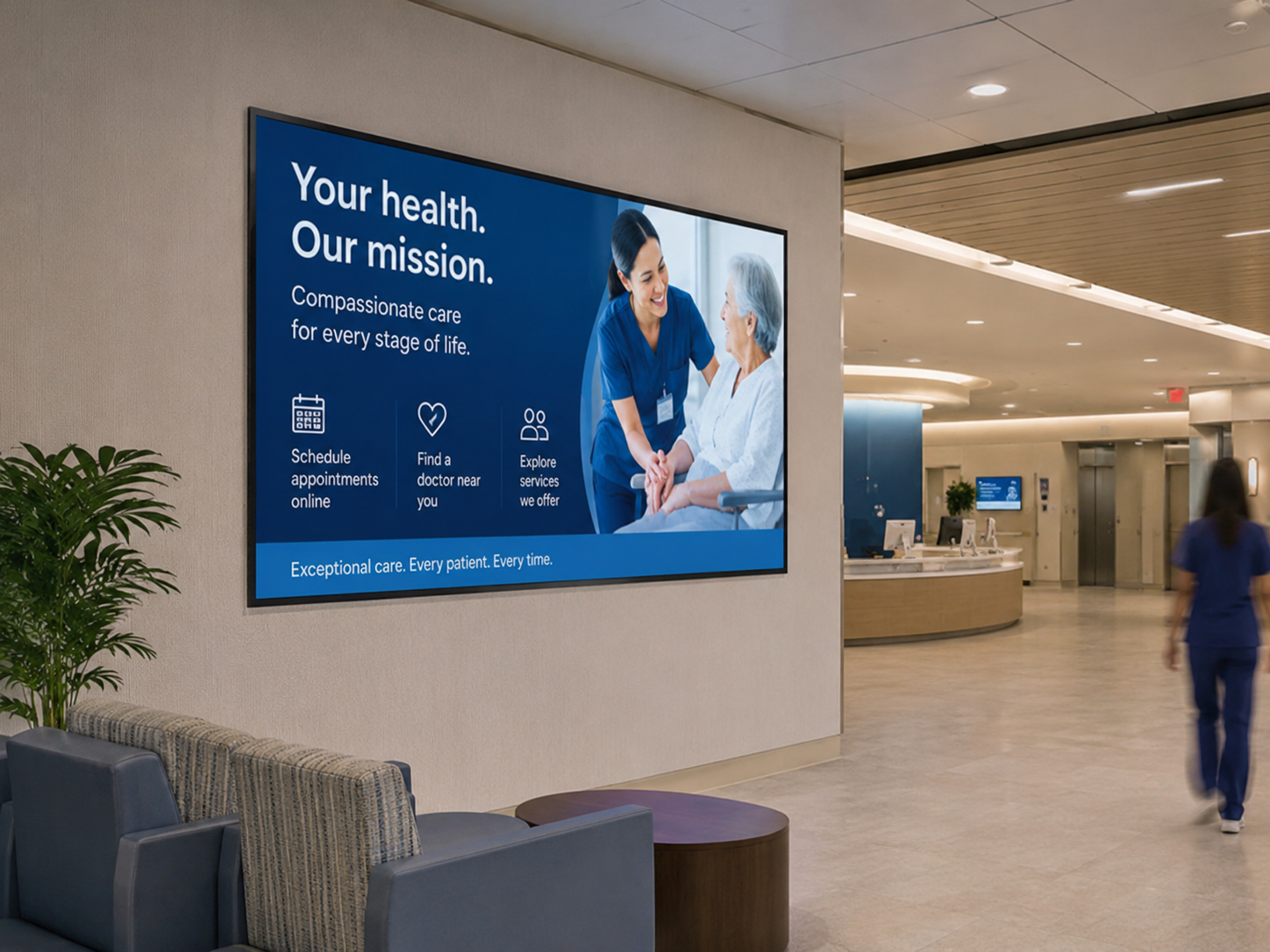
Comparing alternatives
LED panels versus LCD video walls and laser projection: LED wins for brightness, seamless seams, and scalable sizes. LCD offers lower initial cost for small arrays but introduces bezels and less uniform color across large displays. Projection can yield very large images but struggles with ambient light. Match the technology to use-case rather than trend. For interactive meeting rooms, prioritize low pixel pitch LED; for expansive signage, favor high-brightness modules with robust calibration tools.
Advisory: three golden rules for selection
1) Evaluate perceived resolution: measure pixel pitch against the closest viewer distance and require an on-site viewing test. 2) Require demonstrable service support: specify module RMA timelines, local spares, and scheduled calibration in the contract. 3) Prioritize operational simplicity: choose a control system that integrates with your AV management and offers remote diagnostics. These three metrics bring measurable uptime and predictable costs.
For deployment guidance and vendor coordination that aligns with these rules, consider a partner with proven corporate rollouts—Coblinks. They fit technical needs to real workflows rather than to marketing slides. —
{main_keyword} {variation_keyword}