
Opening comparison: two kitchens, one goal
Think of two kitchens: one uses prepped ingredients, clear timing, and a head chef who knows when the oven’s at the right temp; the other jams ingredients together and hopes for the best. That’s the comparison at the heart of any home energy management system: control that’s deliberate versus control that’s improvised. A good system—like a well-run kitchen—relies on the right components, precise timing, and predictable feedback. If you want a practical download of a home energy management system, start by treating your house as a recipe to be optimized, not a free-form experiment. California’s summer grid stress taught many operators why predictable timing and orchestration matter.
Core ingredients that determine efficiency
Efficiency is the flavor you taste most quickly. The main ingredients are:
– Accurate load sensing: finer-grain measurements let the controller chop demand precisely. – Predictive control: weather and occupancy forecasts act like a mise en place—prepare ahead, don’t react. – Right-sized storage: oversized batteries sit idle; undersized ones force repeated cycles. – High-efficiency inverters and appliances: avoid mixing cheap components with premium control.
Taste test: systems with minute-level data and simple forecast integration regularly reduce wasted charging/discharging and shaving events that lower overall losses.
Reliability: consistency versus complexity
Reliability is about repeatable results. Compare two approaches:
– Minimalist recipe: fewer components, proven protocols, local fallback logic. High uptime, easier troubleshooting. – Gourmet recipe: many integrations, cloud-only intelligence, and dozens of edge devices. Potentially higher performance, but more failure points.
Choose simplicity when the goal is consistent energy delivery. Redundancy—parallel sensors, failover control, local rules that operate if the cloud drops—acts like having a backup burner when one flame goes out.
Control logic: rule-based versus predictive models
Here’s the direct comparison:
– Rule-based (if/then): fast to implement, transparent, easy to debug. Works well for routine load-shifting. – Predictive (ML and model-predictive control): better at squeezing extra percent of savings, but needs training data and careful validation.
If you need quick reliability, start with rules and add predictive layers once you have stable data. A hybrid approach often gives the best balance: rules handle safety and baseline actions; predictive models handle fine-grain optimization.
Communications and sensors: the piping and probes
Good sensors and robust communications are the plumbing and probes of the system. Points to weigh:
– Data cadence: seconds-to-minutes for control loops; hourly for trend analysis. – Protocol choice: choose standards the installers already support. Avoid proprietary islands unless they provide clear, unique benefits. – Latency tolerance: control loops that require millisecond responses must be local; slower, forecasted decisions can be cloud-assisted.
Reliable wiring, a healthy edge controller, and purposeful sensor placement keep measurements honest. Bad data is the closest thing to spoiled ingredients—everything downstream tastes wrong.
Storage and inverter selection: pairing like wine and food
Match the battery chemistry, inverter topology, and control strategy. Key comparisons:
– AC-coupled vs DC-coupled: DC-coupled reduces conversion steps for PV-plus-storage but may limit multi-vendor flexibility. – Battery chemistry: LFP offers longer cycles and safer thermal behavior; NMC can be lighter and denser but needs tighter monitoring. – Inverter intelligence: some inverters include native energy management; others offload to separate controllers. Integration level affects latency and reliability.
Choose pairings that keep conversion losses low and allow the control logic to command the asset directly when needed.
Installation, commissioning, and maintenance: the cooking technique
Even the best recipe fails with poor technique. Common cost and reliability drivers here include:
– Site assessment quality: shadowing, panel orientation, load profile—skip this and you’ll pay for it later. – Commissioning rigor: validate real-world behavior against models; tune controllers with on-site data. – Accessible maintenance: labels, clear wiring, and local debug tools cut service time and cost.
Budget 10–20% of project cost for good commissioning. It’s the professional tasting that prevents redoing the dish.
Cost drivers and the real ROI recipe
Costs split into hardware, installation, software, and ongoing operations. Concrete levers that move ROI:
– Hardware standardization lowers procurement and service costs. – Open protocols reduce lock-in and future upgrade expense. – Software licensing models: edge-first ownership vs cloud subscription—pick the one that matches your ops model. – Financing terms: residential incentives, time-of-use tariffs, and local net-metering rules change payback math.
Calculate ROI using measured local tariffs and real load profiles, not optimistic projections.
Common mistakes that spoil the dish
Practical pitfalls to avoid:
– Overfitting control to a short data window—leads to brittle automation. – Ignoring human behavior—houses aren’t factories. People change settings, guests arrive, schedules shift. – Choosing exotic integrations without a maintenance plan—exotic parts raise service times and costs.
Plan for occasional human overrides and make them safe and reversible.
Comparing turnkey options and modular builds
Two viable paths:
– Turnkey: predictable supplier warranty, single-point support, faster deployment. Less flexible and sometimes pricier upfront. – Modular: pick best-in-class components, maximize lifetime upgrades, typically more design and integration work. Higher initial engineering cost but often lower TCO over time.
If you want a mature, integrated approach that still allows component choice, consider systems that balance local control with optional cloud analytics. For an example of a cohesive option in this space, explore a smart energy management system that supports both local autonomy and broader coordination.
Final synthesis: a chef’s order for a balanced system
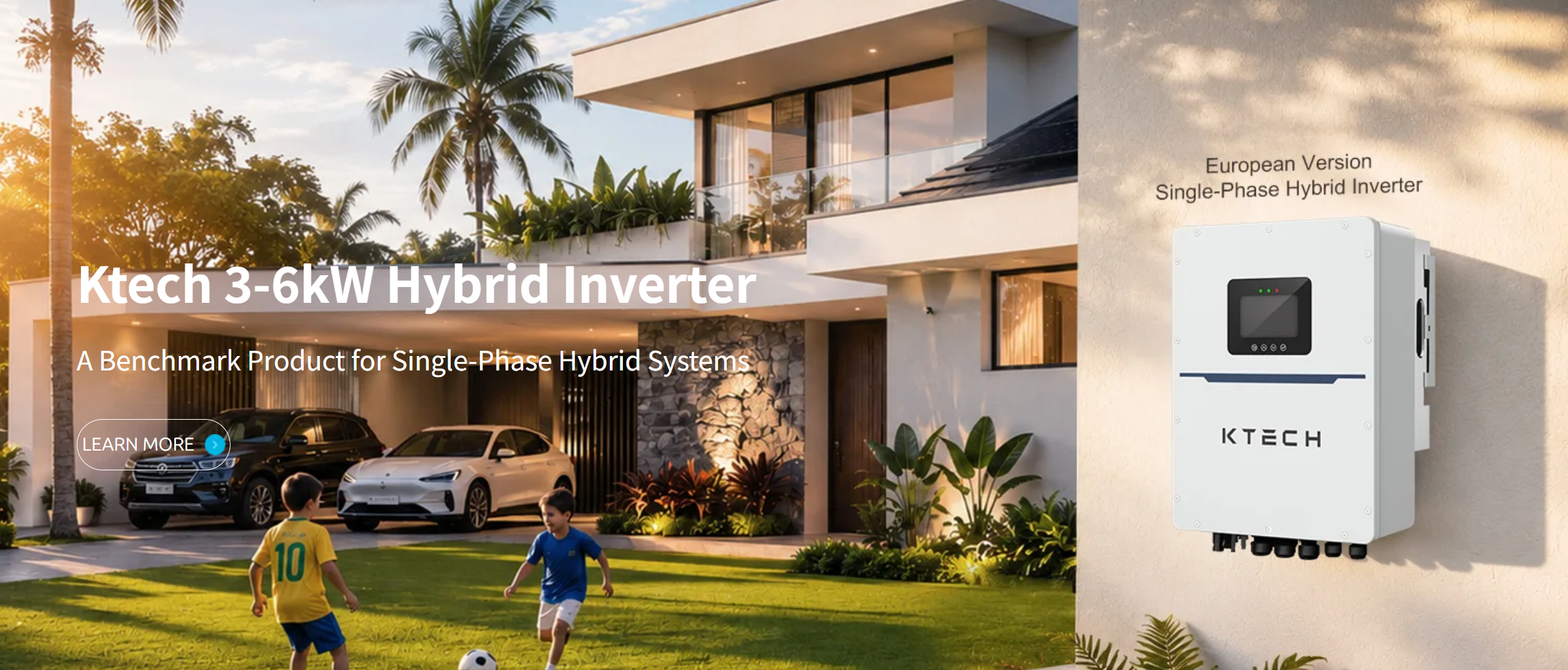
Pick predictable components, instrument the home well, start with simple control rules, then iterate with predictive layers once data proves stable. Favor local fail-safes and clear commissioning. That yields steady efficiency, higher reliability, and predictable costs—like a well-tested menu. For teams seeking practical solutions that stitch these pieces together without theatrical hype, Ktech represents a pragmatic line between off-the-shelf convenience and modular flexibility.