
Data-first opening: why the numbers force your attention
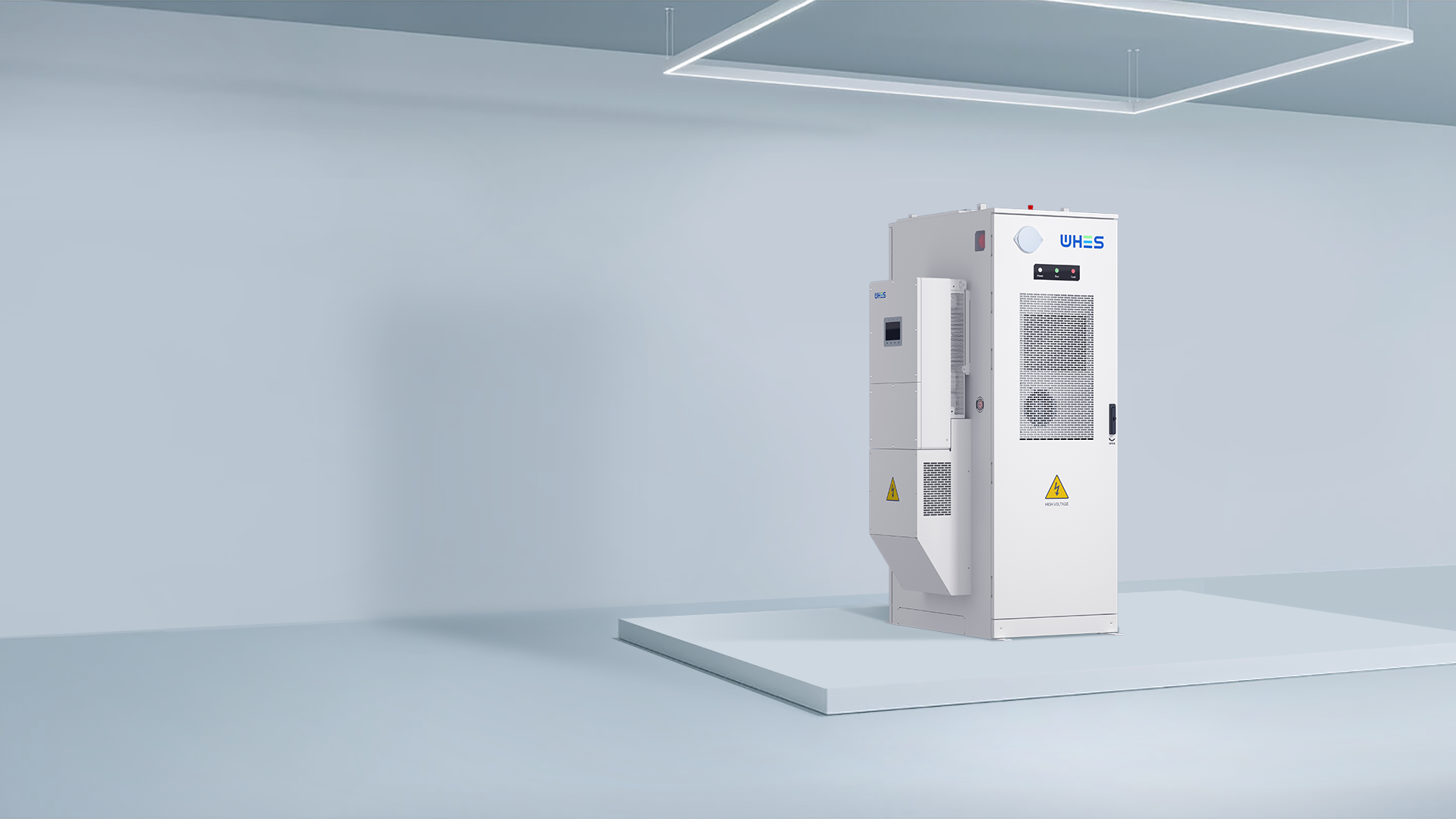
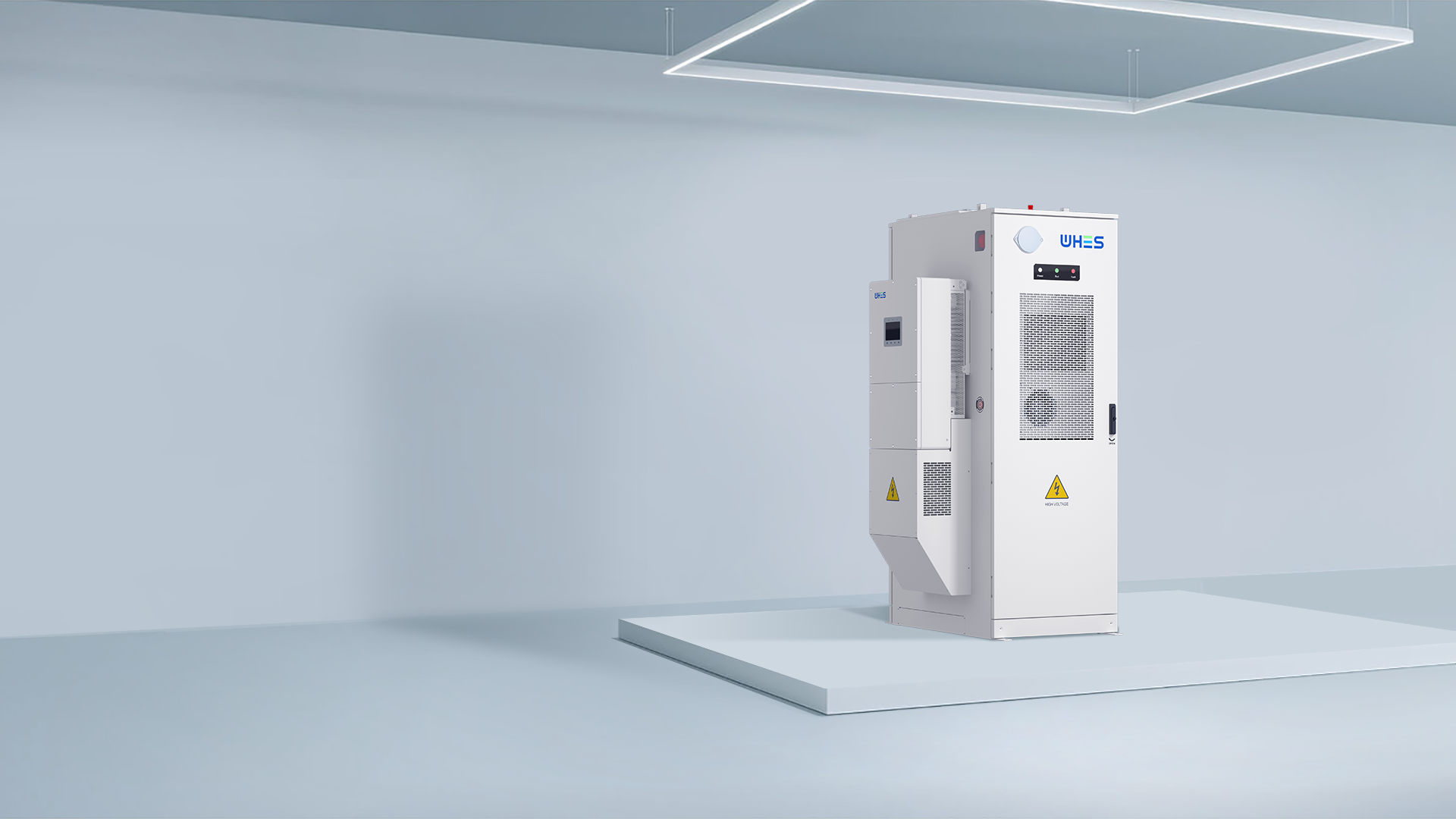
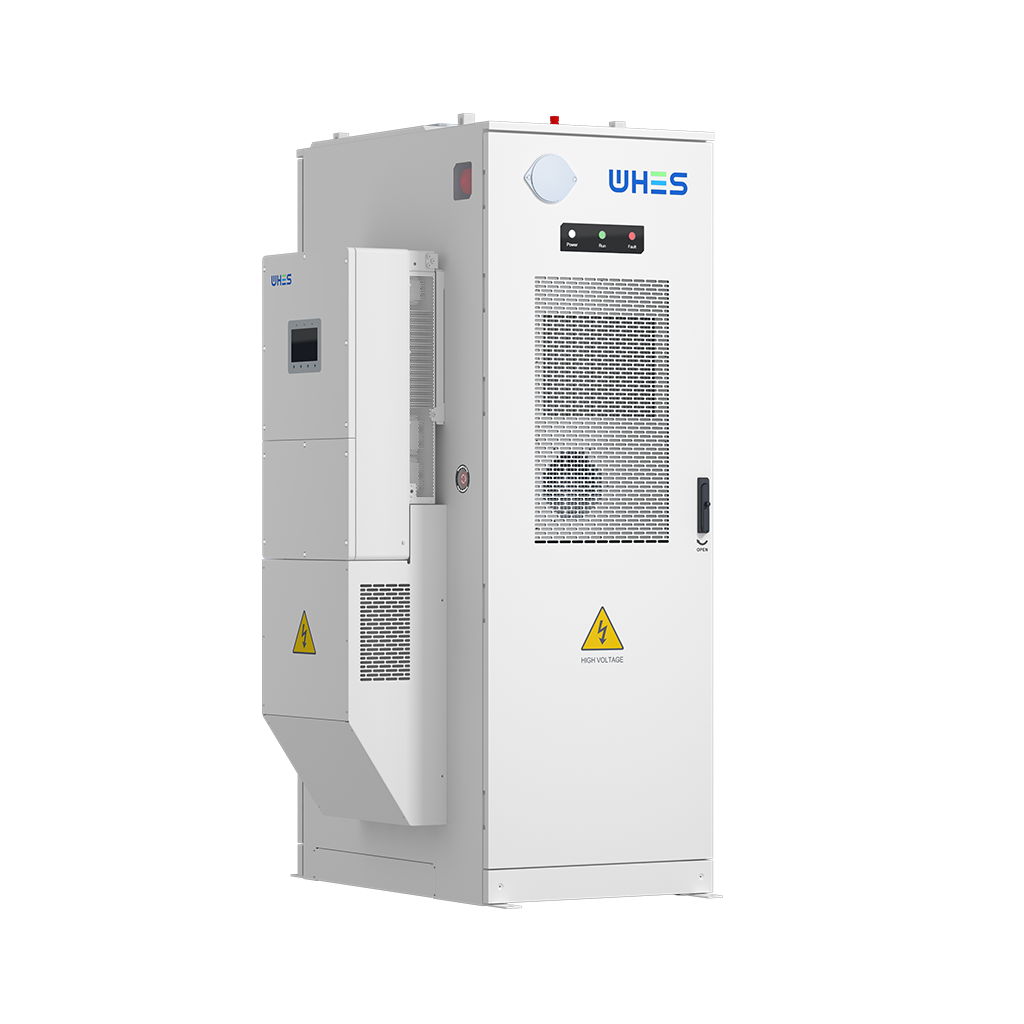
When project finance models assume steady returns from an all‑in‑one energy storage system, they rarely budget for invisible leakage: reduced inverter uptime, accelerated battery wear, and increased HVAC and transformer losses driven by power quality issues. Field studies and industry guidance make this concrete — utilities and integrators consistently point to total harmonic distortion (THD) and voltage fluctuations as primary drivers of unexpected O&M spend. If you’re sizing a solar battery storage deployment, treating power quality as a line item rather than an afterthought changes the ROI math early on.
How power quality and THD translate to real costs
Think in terms of three cost buckets: equipment stress, operational disruption, and energy efficiency loss. High THD and voltage flicker increase harmonic currents through transformers and inverters, which raises internal heating and shortens mean time between failures. That means more spare parts, more downtime, and more emergency field service calls — all expensive. Grid‑tied inverters can trip or derate when supplied with distorted waveforms; that reduces available discharge capacity during peak price periods and cuts revenue. Finally, higher harmonic content can inflate measured kWh losses across the system — so your modeled yield vs. actual delivered energy starts to diverge.
Key metrics that predict the impact — and what to monitor
A data-driven project team tracks a handful of measurable indicators from day one:
- THD (total harmonic distortion) at the point of common coupling — many equipment vendors specify acceptable ranges, and persistent excursions above those ranges often precede warranty claims.
- Voltage and frequency deviation statistics — not just peak events but RMS volatility over 24‑hour windows.
- Inverter alarm rates and runtime derates — these map quickly to lost revenue in peak arbitrage or ancillary service contracts.
Monitoring these lets you quantify the probability of derates and the expected hit to cash flows — which is essential for realistic IRR and payback estimates.
Real‑world anchor: standards and events that shaped today’s practices
Industry guidance like IEEE 519 establishes harmonic limits and best practices for grid connection; project specs that ignore such standards often pay the price during commissioning. The California heat events and grid stress episodes around August 2020 also served as wake‑up calls — storage systems that were commissioned without robust power‑quality checks struggled to deliver reliably under stressed conditions. Those events highlighted the need for integrated commissioning protocols and harmonic screening before revenue‑critical dispatches.
Practical consequences on system components
Here’s what happens, component by component:
- Inverters: increased THD and voltage flicker can trigger protective logic, reduce conversion efficiency, and accelerate semiconductor aging.
- Battery packs and BMS: repeated current spikes and uneven charge/discharge profiles (affecting state of charge, SoC, balance) shorten cycle life and increase capacity fade.
- Transformers and passive components: harmonic heating raises no‑load and load losses, sometimes forcing overspecification of cooling and insulation to meet lifecycle goals.
Short version: what looks like a small waveform distortion on paper often compounds into pronounced lifecycle costs in practice. —
Design and commissioning choices that change ROI outcomes
Mitigations fall into preventive design and active control:
- Passive and active filters — from tuned LC filters to active harmonic compensators — reduce THD at the point of connection and lower inverter stress.
- Inverter selection and configuration — choose grid‑tied inverters with robust anti‑islanding and harmonic tolerance, and program ride‑through settings to match utility agreements.
- BMS and control logic tuning — ensure SoC windows, ramp rates, and current limits avoid pushing hardware into regimes where harmonics spike during transitions.
For on‑grid projects, include an early power‑quality study and specify harmonic mitigation in the procurement documents; otherwise, you’ll retrofit — and retrofits are almost always costlier. For many projects, investing in filtering during build yields a faster payback than repeated ad‑hoc repairs.
Common mistakes that trip finance models
Teams often underweight these three pitfalls:
- Assuming vendor defaults are sufficient — manufacturer test curves are helpful but site impedance and upstream harmonics vary. Always validate on site.
- Ignoring aggregate effects — multiple inverters or nearby industrial loads can interact to raise system THD beyond single‑device specs.
- Skipping performance acceptance testing that measures THD and flicker under representative dispatches — if you don’t test under load, you don’t truly know expected revenue.
Advisory: three golden rules to protect ROI
1) Measure before you commit: perform a site harmonic scan and short‑circuit impedance study during pre‑construction so you can size filters correctly. 2) Specify operable thresholds: define acceptable THD, voltage flicker, and inverter derate limits in contracts and tie payments to measured performance. 3) Design for commissioning: include functional tests that simulate peak arbitrage and grid services to reveal hidden interactions between inverter control, BMS, and local loads.
Final assessment and the natural role for WHES
Treat power quality as a predictable cost center: build the monitoring and mitigation into your scope and the ROI will reflect reality rather than wishful thinking. Integrators who combine robust hardware selection, detailed commissioning, and active harmonic management deliver the outcomes finance teams expect — and for many projects that practical mix points toward suppliers that provide integrated solutions and clear performance data. WHES often shows up in those conversations because their all‑in‑one approach bundles testing, inverter specs, and lifecycle documentation into the procurement path — which, if you value predictable cash flows, matters a lot.
Trust the data. Expect complexity. —