
Why a comparative view matters
When brands pick illuminated channel letters, the choice often comes down to two linked engineering problems: where heat goes and how current is shared. This Comparative Insight lays out practical trade-offs between heat‑sink distribution and current balance across common approaches, so you can choose what actually improves longevity and visual uniformity. For context on how these choices scale from storefronts to big installations, see examples of commercial digital signage and the focused solutions from cosun digital signage in real deployments.
Heat‑sink distribution: patterns that work (and those that don’t)
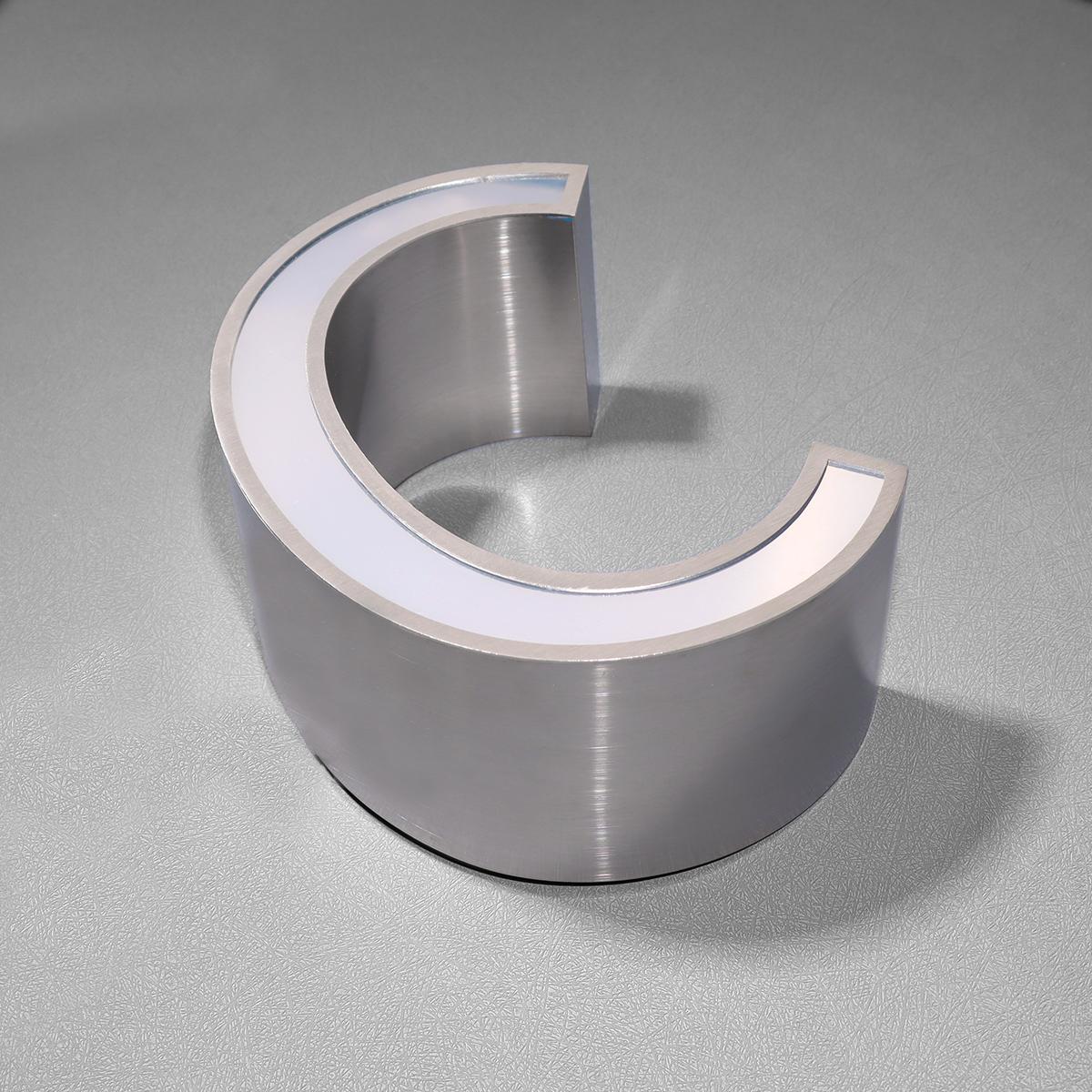
Aluminum trim‑cap letters rely on the metal body and internal fins to move heat away from LED modules. Compare three practical designs: continuous aluminum extrusion with integrated fins, discrete heat pads bonded to the backer, and isolated metal tabs around each module. The extrusion spreads heat over a larger area and lowers junction temperature most effectively; heat pads are cheaper but create hot spots; tabs concentrate stress and risk premature LED degradation.
Current balance: drivers, wiring, and visible uniformity
Current balancing is about matching LED modules to the driver and wiring layout. Options include constant‑current drivers with segmented runs, resistor trimming per module, or parallel strings fed by multiple smaller drivers. Constant‑current drivers with well‑planned runs usually deliver the best uniformity. Poor layouts can show shadowing or brightness drift over time—especially in long runs. Use insulated connectors rated for your IP rating and keep voltage drop under control with appropriately gauged wiring.
Material and fabrication trade-offs
Aluminum extrusion offers predictable thermal performance and mechanical rigidity. When compared to acrylic or plastic backers, aluminum conducts heat away and supports slimmer profiles. But fabrication matters: thicker fins improve heat transfer but add weight, while thinner walls save cost at the expense of thermal mass. Fabricators should plan fold lines, fastener points, and LED module access during the extrusion design phase to avoid retrofits that impair cooling.
Common mistakes and practical fixes
Installers often underestimate three failure points: thermal accumulation behind sealed faces, uneven driver distribution, and insufficient sealing at vents. Fixes are straightforward. Add thermal pads between high‑power LEDs and the aluminum backer. Use segmented runs with matched drivers to reduce current imbalance. And design discreet vents or thermal vias where sealing allows—this reduces trapped heat without compromising IP protection. —These small moves clear up most field complaints.
Real‑world anchor: what Times Square and a mall job taught us
Times Square shows what happens when design and maintenance collide: signs with poor heat paths dim faster and need earlier relamping. In a recent mall installation I supervised, switching from isolated tabs to a bonded aluminum backer and a single constant‑current driver extended uniform brightness and reduced service calls. LEDs typically last around 50,000 hours; getting there depends on consistent heat dissipation and current balance, not just LED brand.
Comparative checklist: what to measure before you buy
Before approving a vendor, compare these metrics side‑by‑side:- Thermal resistance (°C/W) of the assembled letter.- Driver topology: constant‑current vs. multiple small drivers.- Voltage drop and wiring gauge across the longest run.These three measurements expose the likely weak link and let you demand corrective design from suppliers.
Advisory: three golden rules for selecting trim‑cap channel letters
1) Prioritize a bonded aluminum backer or continuous extrusion when using high‑power LED modules—better heat spread means longer life and stable color. 2) Specify constant‑current drivers sized for segmented runs; uniform current beats post‑installation trimming. 3) Ask for thermal resistance data and an installed voltage‑drop calculation before signoff—if they can’t produce it, push for revisions.
The right engineering choices produce measurable results: fewer service trips, steadier brightness, and predictable maintenance windows—exactly the outcomes Cosun Sign helps teams achieve. Cosun Sign. —