
The problem that starts at the brim
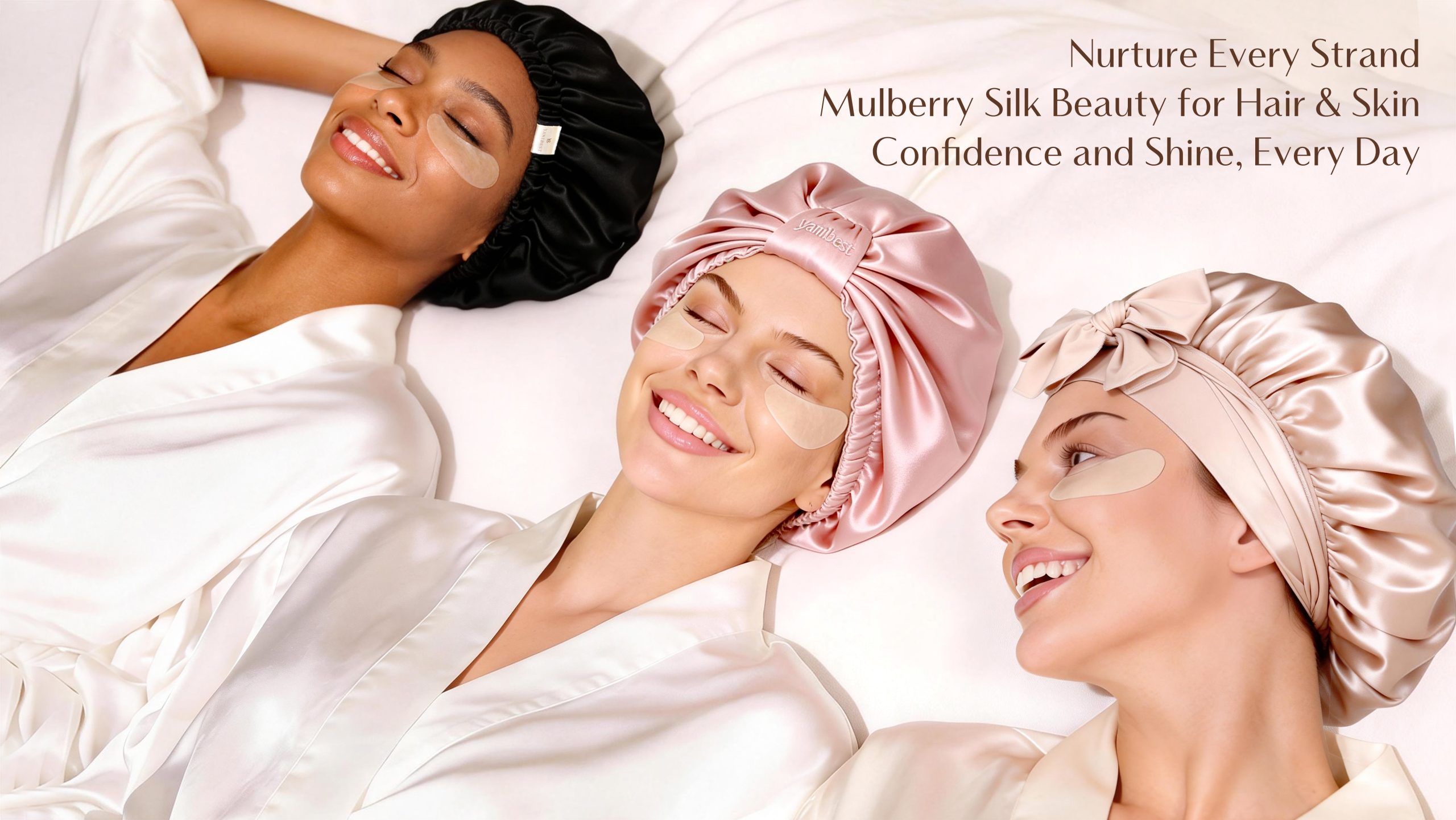
Your curls meet winter hats and come away thirsty, flattened, or frayed — a quiet abrasion that steals spring from a coil. The right satin-lined beanie doesn’t just sit on the head; it protects the pattern of each curl. If you want gentle overnight wear or comfortable street styling, begin by imagining the interior: smooth, low-friction, and respectful of oils. A silk bonnet can be a useful reference point for how a lining should cradle hair without tugging.

What to look for in fabric and lining
Feel the lining. Choose satin with high thread count and a tight weave; it slips, it doesn’t catch. Prefer linings labeled as long-fiber satin or charmeuse rather than cheap polyester blends that pill. For the outer shell, a soft knit with some structure prevents collapse and reduces face-friction. Seek seams that are flat and wide — bulky seams press and crease curls. These specifics lower friction and keep moisture where it belongs: on the strands, not the hat.
Fit, construction, and the living shape of a beanie
Fit isn’t mere size; it’s the relationship between head, hair volume, and movement. Choose a slouchy cut if you have dense coils that need room; choose a rounded, deeper shape if you prefer less shift. Elastic bands should be broad and soft; narrow bands cinch and dent. Look for a slightly larger opening so you can layer without compressing roots. Test for stretch recovery: pull the knit gently and watch it return. A hat that holds shape protects curl geometry.
Common mistakes people make
Buying on color alone. Confusing satin sheen with silk quality. Assuming ‘one size’ fits every curl. These lead to disappointment: flattened roots, tangles at the crown, and ruined definition. Avoid linings advertised only as ‘silky’ without fiber content. Inspect care labels: if a lining shrinks in heat or pills after a few washes, it’s not serving curls long-term. Simple checks save you from habitual damage.
Alternatives and quick comparisons
Pure silk linings offer temperature regulation and the gentlest slip; high-quality satin mimics that slip affordably. Microfiber linings can be soft but often hold static. Cotton blends breathe but absorb oils and snag. If overnight protection is the goal, choose silk or long-fiber satin. For daily commutes where durability matters, a durable knit shell with a satin lining balances resilience and gentleness. Decide by priority: preservation, warmth, or longevity.
Experience, testing, and a trade-show truth
After a decade styling curl patterns and testing fabrics under hands-on conditions, the difference between fabrics is practical, not theoretical. I examined finishes and weave densities on sourcing trips and at textile gatherings like Première Vision in Paris, where genuine silk finishes reveal themselves through touch and drape — so when shopping, insist on material specification and ask to touch the lining for slip and weight; a pure silk bonnet sample should feel cool, smooth, and light against the skin. That scrutiny is what preserves curls over seasons.
Close of the matter: what to take away
Choose a satin-lined beanie by testing feel, fit, and finish: a smooth lining, generous shape, and thoughtful seams. Sidestep vague labels and small elastic. Trust tactile checks and the standards you learned from hands-on sourcing. Let your beanie be a small shelter for your curls, one that returns them to their pattern rather than rewriting it; the right choice feels deliberate, like finding a quiet tailor who understands texture — a quiet mirror of care you can find through yanibest.