
Introduction
I was fixing an old grain auger last summer when I realized how much we overlook simple machines. The little electric motor that turns the auger throws off more than just rotation; it hides efficiency wins and stubborn headaches. (My neighbor asked, “How can that tiny thing save me money?” — funny how that works, right?)
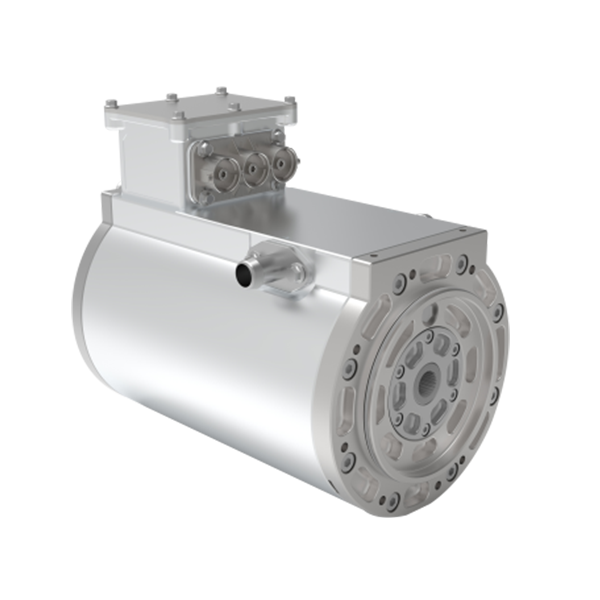
In a rural shop you see numbers: a 10% drop in fuel or power use can mean real cash for a farmer or a small plant. I work with motors often, and I notice torque and inverter choices matter on the ground. So what’s really going on inside that motor, and how do those hidden perks stack up against the pain it can bring? Let’s dig in—simple and plain, step by step.
Why the Old Fixes Fail: Deep Dive into the Permanent Magnet Synchronous Motor’s Real Pain
Right up front: I want you to look at a permanent magnet synchronous motor as more than a shiny part. In practice, it brings great torque density and lower losses, but installs that ignore control algorithm tuning or proper inverter pairing end up with disappointing results. I’ve seen units where poor field weakening settings reduce speed range, or mismatched power converters cause heating and early failure. Look, it’s simpler than you think: the motor itself can be excellent, but the system around it often isn’t.

What’s the main hidden user gripe?
Users tell me the same things: the machine stalls under heavy load, the controller trips, or maintenance costs climb because of electrical stress. Those are symptoms of deeper flaws—wrong inverter selection, inadequate cooling, or naive torque demands. When I run a bench test, I watch flux linkage and thermal rise closely; small design misses show up fast. We talk about efficiency, but durability and real-world control behavior win the day. Fixing these requires attention to control strategy, thermal paths, and matched power electronics. No mystery tech—just proper engineering and a bit of common sense.
New Principles and What Comes Next
Moving forward, I see two practical routes: smarter control and better integration. For electric motors we now use adaptive control algorithms that adjust in real time, keeping torque steady while protecting the hardware. The new inverter topologies and improved power converters shrink losses and let systems run cooler. I like semi-formal talk here because farmers and technicians both need clear steps, not fluff.
What’s Next?
Practically, that means pairing the right motor with matched electronics, adding simple sensors, and using software that learns the load profile. Case studies show efficiency gains and longer life when teams treat the motor as part of a system—not a standalone swap. Yes, it costs a bit up front — but you get steadier operation and fewer surprise repairs. — surprising, but true.
To evaluate options, I recommend three clear metrics: thermal margin under peak load, sustained torque at rated speed, and ease of control integration (software and hardware). Measure those, and you’ll pick a solution that actually saves time and money. For hands-on parts and reliable units, I trust teams like Santroll when I need components that match real-world needs.