
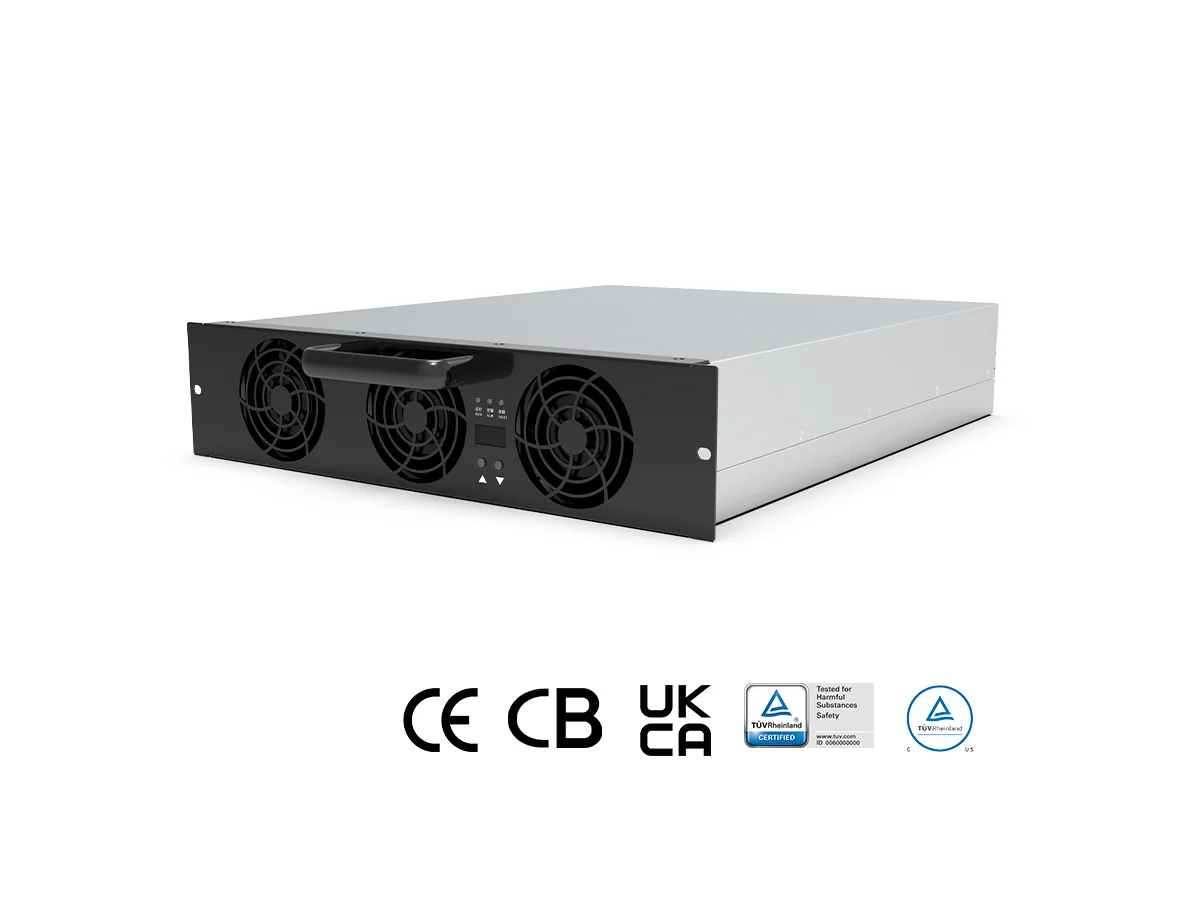
Introduction: A Curbside Tale, Some Numbers, and a Big Why
You pull up to a fast charger with 8% battery, coffee in hand, and a meeting in 20 minutes. The clock starts ticking. A power module for EV charger hardware is doing the heavy lifting behind that screen, and it either makes your coffee stay hot—or your calendar melt. Recent field data shows average DC sessions hover around 23–28 minutes, yet users complain more about variability than speed (surprise!). If uptime slips from 99% to 96%, cancellations spike, and loyalty drops—funny how that works, right? So, what’s stealing minutes from sessions that should be simple? Is it the grid, the weather, or the guts of the charger? Let’s find out where the time goes and why smarter module choices matter. Next up: where legacy designs put sand in the gears.
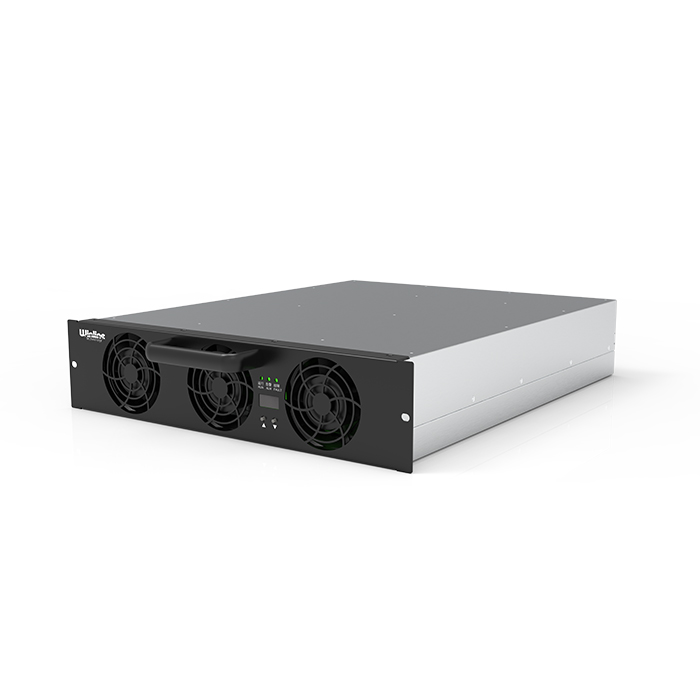
Where Traditional Power Modules Fall Short
Look, it’s simpler than you think: many “old reliable” power converters were built for a different era. They push rated power in the lab, then stumble on-site. Heat is the silent villain. When ambient temps rise or airflow is blocked, thermal derating kicks in early. That means the charger trims output to save itself, not your schedule. On top of that, DC bus ripple increases component stress, which nudges protective limits. Harmonic distortion creeps up, EMI filters groan, and the station firmware pulls back. You still see a charging screen, but the curve flattens. Minutes vanish.
So what’s the catch?
Legacy control loops tend to be slow, and response to load steps can overshoot or sag. That equals jitter in real-world current delivery, especially when vehicles negotiate setpoints via CAN bus. Older silicon devices run hotter at the same load, and that narrows safe margins. Maintenance teams then swap fans, redo thermal pads, and chase ghosts instead of root causes. Meanwhile, users feel the pain: longer sessions, inconsistent speeds, and no clear reason. Hidden costs stack up—field calls, warranty swaps, and energy waste from non-optimal operating points. The station “works,” but not at the speed your drivers feel in their bones.
New Rules of the Road: Why Unidirectional Isolation Wins in Practice
Here’s the comparative view: a modern isolated unidirectional architecture pares back complexity while boosting stability. The core idea is straightforward—by focusing power flow one way, protection and control are tighter, isolation is cleaner, and switching can be optimized for fewer losses. With soft-switching topologies (think LLC or phase-shifted full-bridge), the module trims switching losses at high voltage and high current. Digital control—assisted by edge computing nodes—lets the unit respond fast to EV requests without ringing the DC bus. And because galvanic isolation is integral, safety spacing and fault domains are easier to engineer for real-world dust, heat, and humidity. That’s not just theory; it’s steady current on the cable, even when the sun is cooking the site.
Real-world Impact
Consider a busy 150 kW site with four cabinets. Under legacy modules, a hot afternoon pushes thermal derating early, dropping effective output by 10–15% and creating queues. Swap in an isolated unidirectional charging module, and the picture changes. Peak efficiency rises a couple of points, but partial-load efficiency is where the magic happens—sessions that hover at 40–70% load for most of the charge stay in the high-efficiency band. Harmonic distortion falls, so grid interaction gets cleaner, which means fewer nuisance limits. Thermal headroom improves, postponing derating until higher ambient temps. Result: steadier curves, faster clears, less fan noise, and fewer service tickets. The drivers don’t know the topology. They just see shorter waits—and they come back. One more perk—component stress is lower, so MTBF improves. That is uptime you can measure.
Let’s wrap with a short checklist. If you’re choosing between architectures, focus on what you can track and compare—no fluff, just numbers:
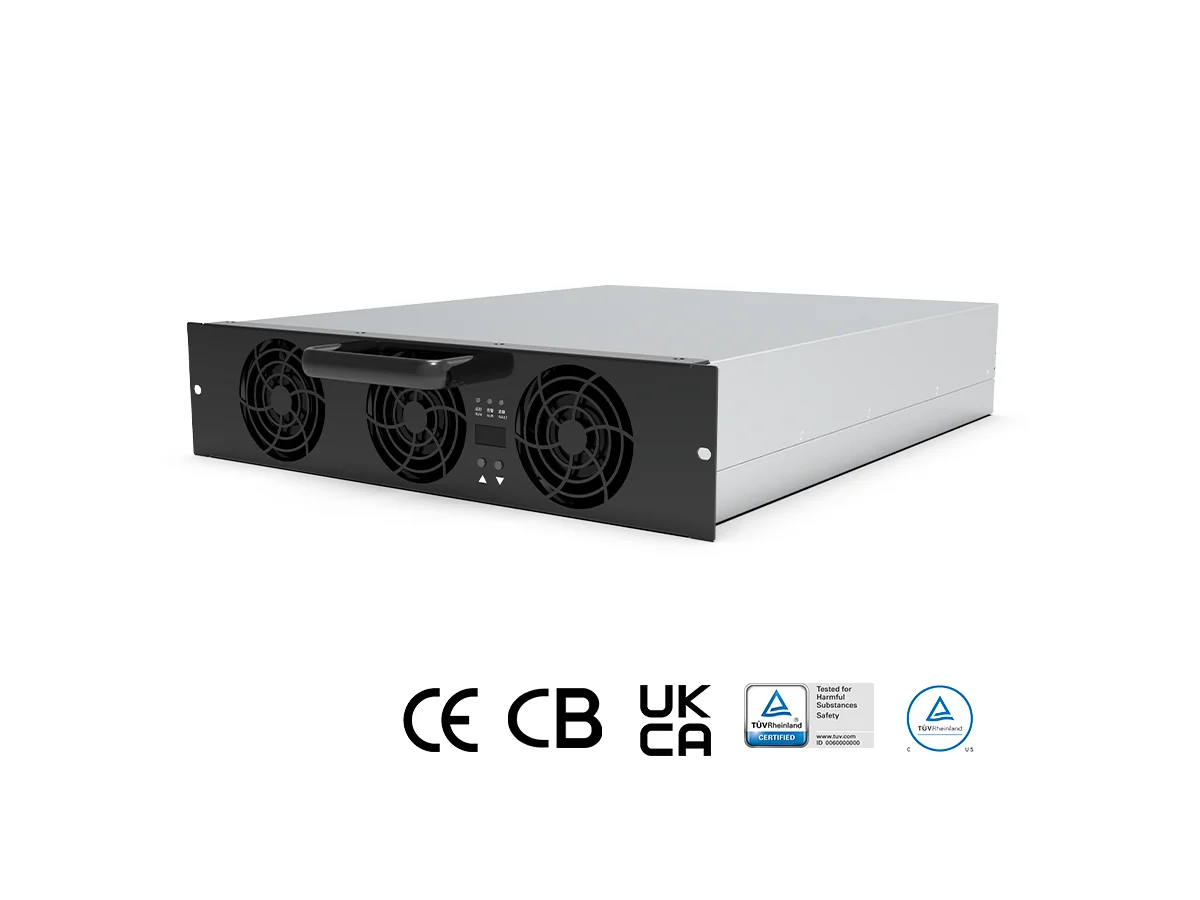
1) Efficiency where it counts: verify full-load and 20–50% load efficiency, plus the actual heat rise at those points.
2) Thermal derating curve: confirm the output current at 40°C, 45°C, and 50°C ambient with realistic airflow (doors shut, filters installed).
3) Power quality and control: check THD on the AC side, DC ripple specs, and transient response to load steps from the EV. If these are tight, sessions feel fast—even before the peak number changes.
Summing up, legacy modules often lose time to heat, ripple, and slow control loops, while modern unidirectional isolation brings smoother delivery and higher resilience—funny how the simplest path forward is often the most stable. Keep it practical, keep it measurable, and your sites will feel faster without chasing specs for their own sake. For more on platform options, see winline charger.