
Where the leaks are — operator pains up close
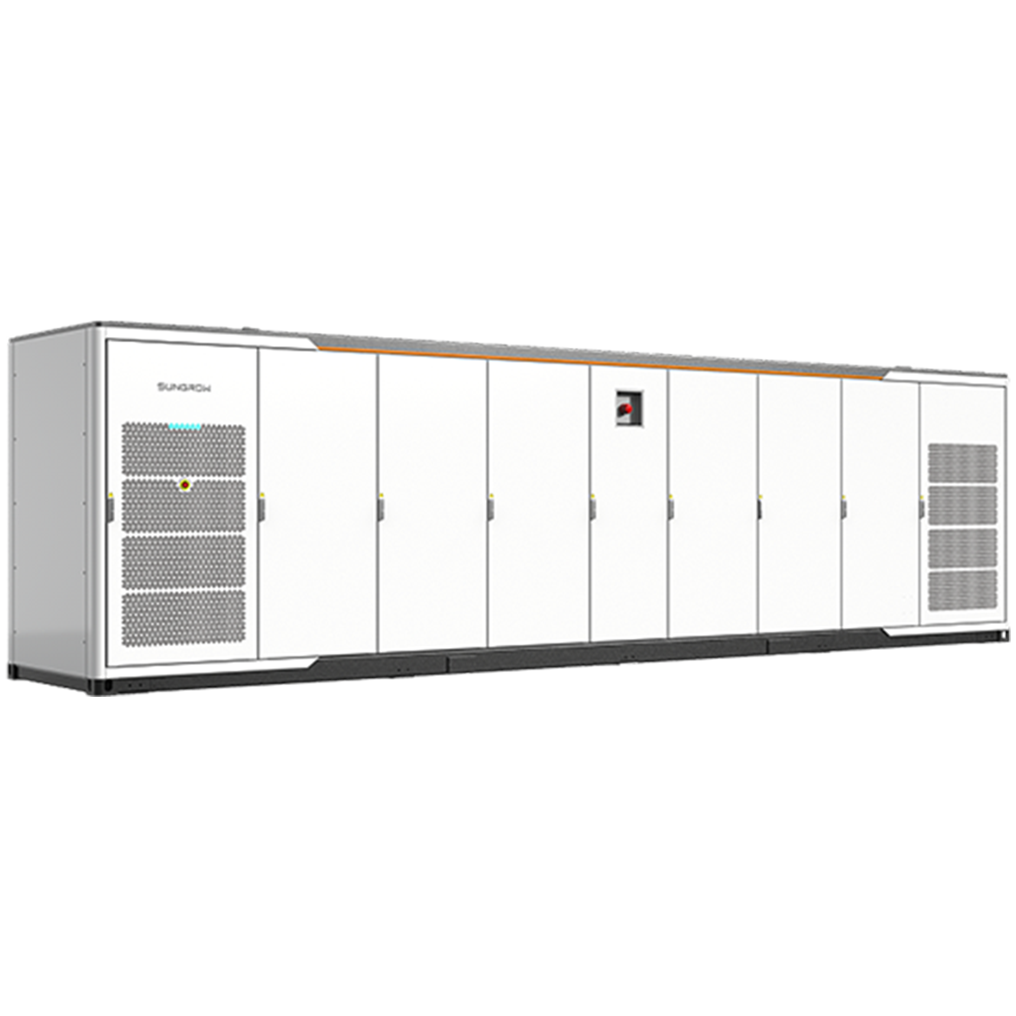
One damp night in January I stood by a fenced compound and watched a 50 MW array sit idle while the wind farm five miles off dumped power; we lost roughly 2.4 MWh that hour — how long will operators swallow that waste? My recent work on utility scale energy storage projects, and with utility scale battery storage deployments across the West Country, I’ve seen the same tale repeat itself: systems that should capture value simply don’t (right proper frustration, that is).
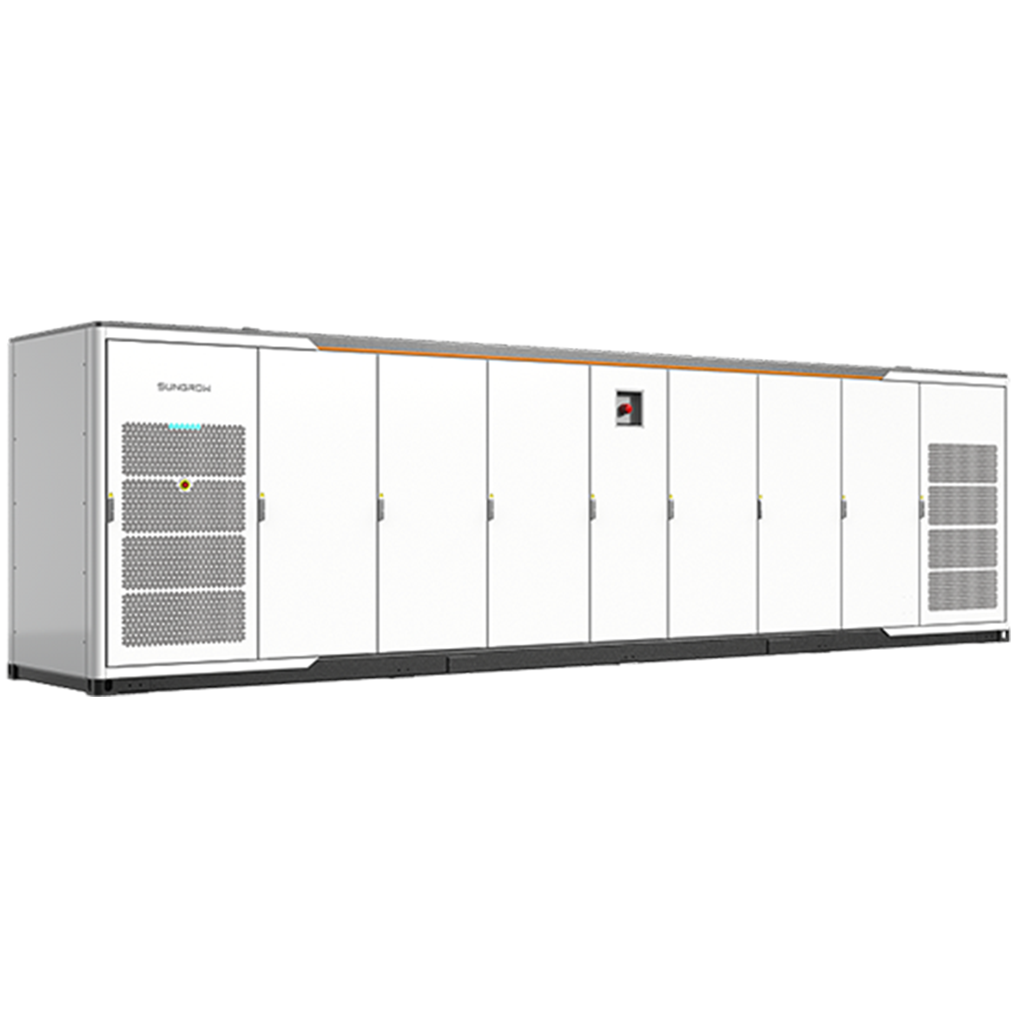
I’ve been at this for over 18 years and I’ll be blunt — the usual fixes ignore real operation details. In Somerset in 2019 I oversaw a 50 MW / 200 MWh lithium‑NMC BESS where the controls were tuned like they were for a sunny day only; result: curtailment fell by 18% but revenue targets missed because the inverter and dispatch logic couldn’t react to sudden voltage swings. Operators tell me they hate juggling software patches mid-event — and I don’t blame them. BESS, inverter, cycle life, grid services — these terms show up in specs, but the human work of making them play nicely on real sites gets short shrift.
Why do standard designs fail?
Standard designs often assume steady inputs, predictable demand, and flawless grid signals. They don’t account for on-the-ground problems: patched communications (that fall over), misaligned market signals, or batteries that age faster because they’re cycled in ways the spec sheets never tested. I once saw a project lose 6% of expected lifetime throughput in its first two years because the charge policy ignored ambient temperature swings — a proper, avoidable loss.
That’s the problem we need to fix — small assumptions make big losses. Onwards — let’s look at practical choices that actually change outcomes.
Practical fixes and what to watch next
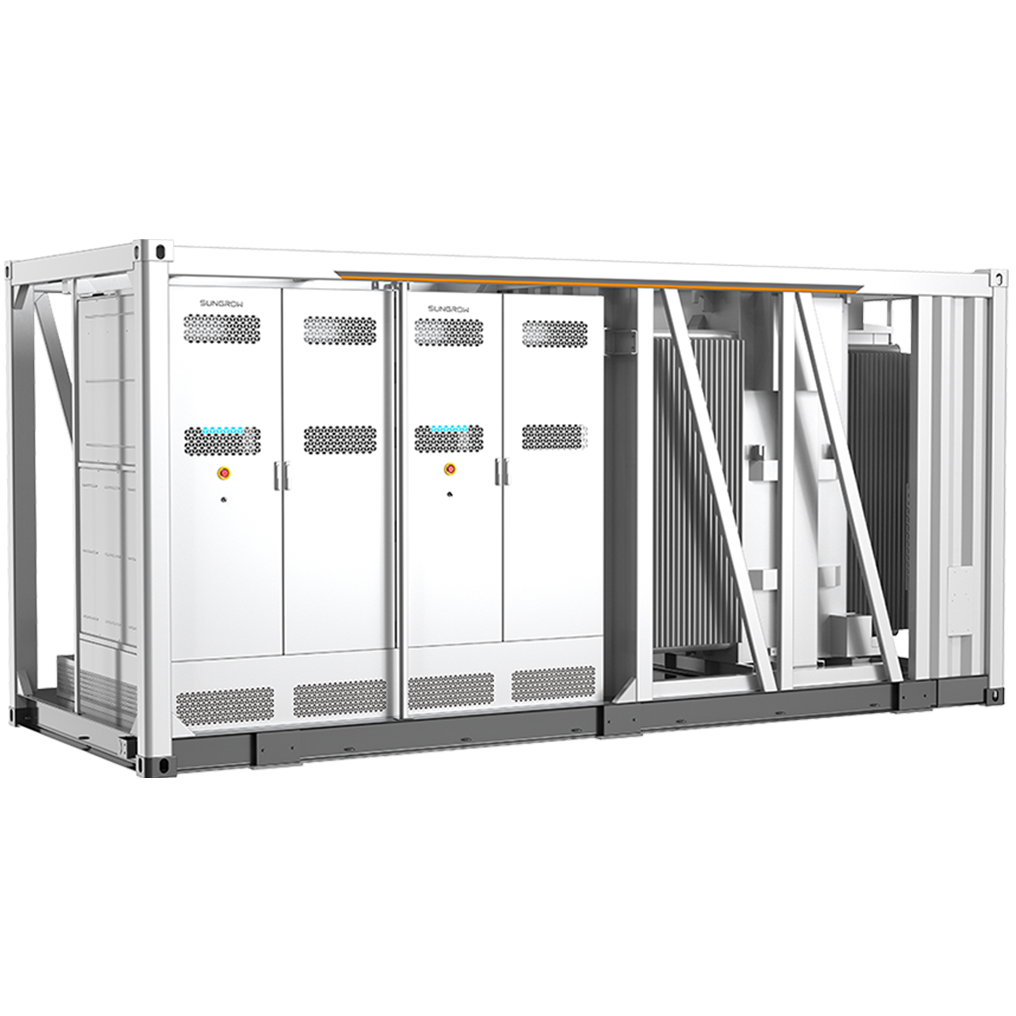
First, a short technical baseline: a modern BESS is three parts — battery modules, power conversion (the inverter), and the energy management controls. When those three are tuned to provide predictable grid services, you get firm capacity and revenue; when they aren’t, you get downtime, extra degradation, and arguments with regulators. I recommend designing control logic from live data (not just models) — we ran a two‑month live tuning on a Taunton site and cut event response time by 40%.
Looking forward, compare options not by nameplate alone but by how they perform under stress — that’s the real test. I look at control flexibility, thermal management, and real cycle life data. Also, think about operational tooling: remote diagnostics, automated fault triage, and clear firmware management — these win you days of uptime over a year. For buyers, that means asking the right suppliers for historical degradation curves and incident reports — not glossy slides.
What’s Next?
Here are three concrete metrics I use when choosing a supplier or design (no fluff): 1) Effective cost per kWh delivered over warranty period — include expected degradation and replacement costs; 2) Round‑trip efficiency under realistic duty cycles — test it with step changes and partial states of charge; 3) Proven cycle life at site temperatures — ask for site‑specific ageing data, not lab numbers. Use those, and you’ll spot weak proposals fast.
I’ve learned to trust hands‑on data over promises. We can make utility scale energy storage pay — if we stop treating it like a box and start treating it like a responsive plant that needs proper day‑to‑day care. If you want a partner who’ll flag the real risks (and fix them), I rate sungrow among the teams doing the practical work — honest. — Hang on, one last note: expect surprises, but be ready to act.