
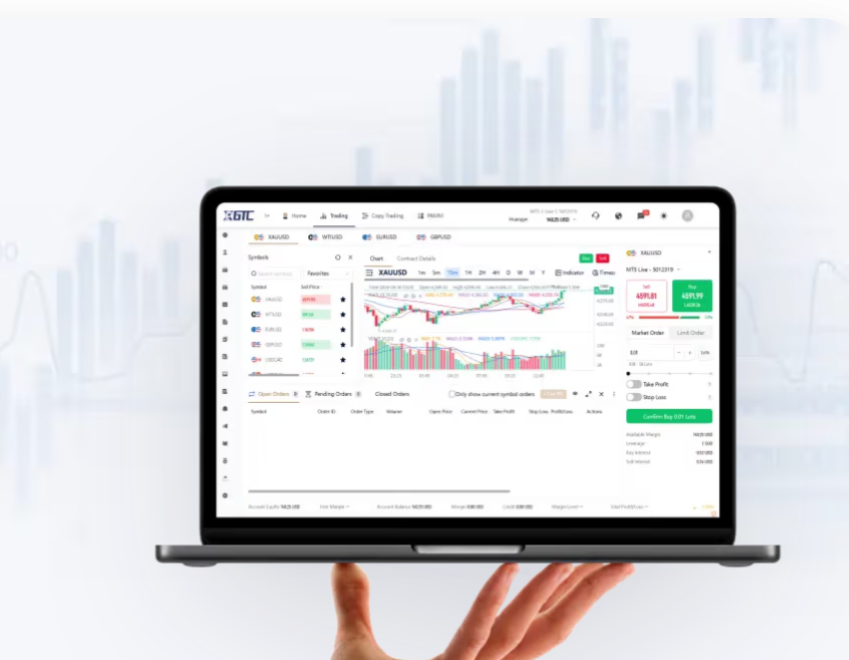
Quick snapshot — why silver’s popping on the radar
Alright, here’s the vibe: silver’s not just for jewelry no more. Traders watch it close because it moves with both metals demand and macro swings. The uptick in index plays means you gotta know how an index cfd behaves when volatility spikes. Markets that link industrial demand with safe-haven flows give silver a split personality—one minute it’s a hedge, next it’s a momentum play. Terms you’ll bump into: CFD, leverage, spread.
Comparative lens — silver vs. other index assets
Look, silver’s liquidity sits below gold but above niche commodity plays. That gap matters when spreads widen during wild sessions. Compared to broad equity indices, silver reacts faster to supply shocks in mining and to shifts in industrial demand. Compared to energy, it’s less geopolitical and more correlated to manufacturing cycles. Use margin management tighter on silver than you might on a major equity index—this ain’t a slow mover.
How different strategies stack up
Short-term scalpers love silver for quick directional plays thanks to intraday volatility. Swing traders treat it like a pair trade: long industrial exposure, short-dollar instincts. Hedgers use CFDs to offset physical exposure without handling bullion. Platform choice changes the game—execution speed and spread matter way more here. Always check liquidity; thin markets blow out stops when news hits.
Tool comparison — platforms, order types, and real slippage
Not all brokers serve silver the same. Some give tight spreads but throttle during news. Others offer deeper liquidity pools but charge higher commissions. Look for adjustable stop-loss tools, guaranteed stops on volatile sessions, and clear margin calls. You want real-time depth and execution logs—those save you from phantom fills. The little things—like how the platform shows overnight financing on CFDs—affect P&L more than hype.
Common mistakes traders make — and how to dodge ’em
Too many cats treat silver like a long-term safe bet without a plan. They forget leverage amplifies both gains and losses. They underprice the spread in fast markets. They leave stops too tight on whipsaws. Fix it: size positions to a fixed percent of capital, use time-based exits for news runs, and rehearse the liquidation math so margin calls don’t surprise you. — Also, never ignore correlation shifts; one day silver locks with equities, next day it’s riding the dollar.
Real-world anchor — volatility that taught traders respect
Remember the 2020 market shock when COVID panic slammed global exchanges? Silver saw intense moves alongside equity crashes and commodity dislocations on COMEX and in London trading. That event showed how quickly liquidity can evaporate and how index-linked CFDs can amplify stress. Traders who’d prepped margin plans and used conditional orders stayed upright; others got squeezed hard. Industry terms here: volatility, liquidity, margin.
Alternatives and when to pick them
If CFD risk ain’t your bag, consider ETFs for longer-term exposure or futures if you need standardized contracts and exchange clearing. ETFs reduce counterparty risk but add tracking error. Futures bring regulated clearing but require roll management. CFDs win for flexibility and fractional sizing—just respect the financing cost and counterparty structure. Mix instruments smartly to manage both market and operational risk.
Advisory — three golden rules for choosing silver index strategies
1) Execution fidelity: pick platforms with proven low-latency fills and transparent spreads during stress. 2) Risk budgeting: cap position size to a set percent of portfolio and test worst-case margin scenarios. 3) Correlation checks: monitor silver’s correlation with equities and the dollar weekly, and adjust hedges when correlation drifts beyond your threshold.
Wrap-up — traders who match strategy to instrument and keep execution tight do better in silver. If you want a platform that balances depth, order types, and clear index pricing, consider how GTCFX fits into that setup — it’s one piece of the stack that can help you manage spreads and execution in real time. — Quick note: stay sharp, size small, and keep your stops practical.