
Opening the Workshop
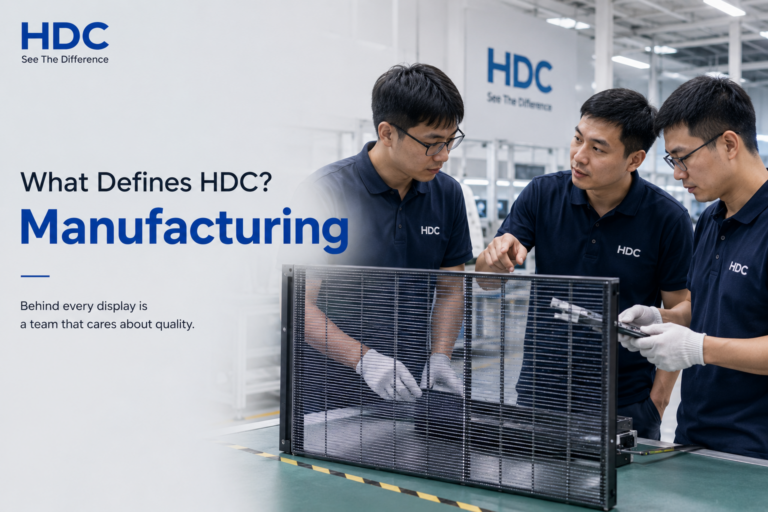
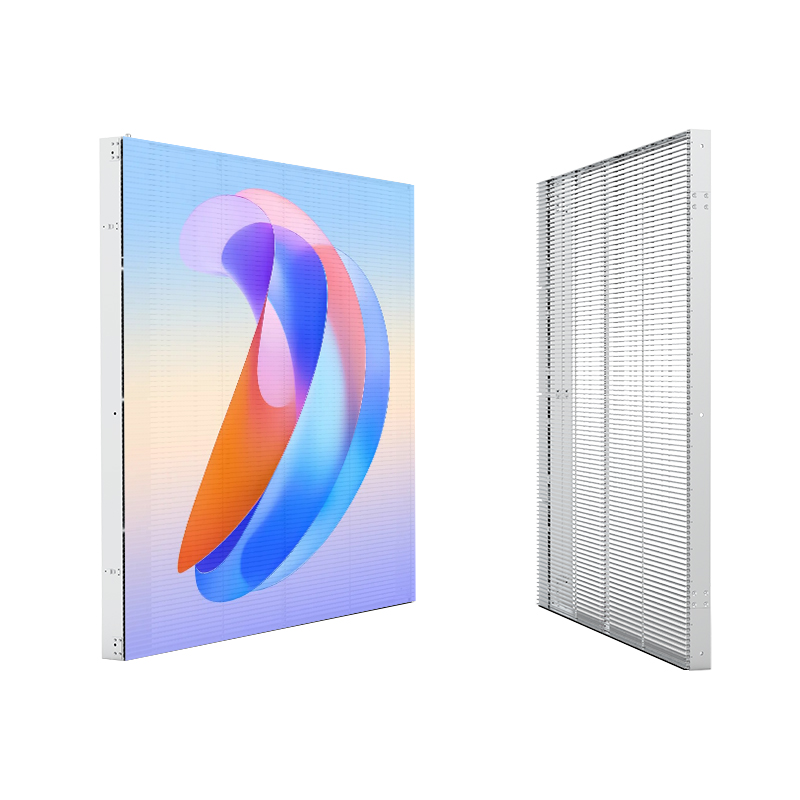
The story begins with a cramped assembly line, a handful of engineers, and a stubborn belief that a bright display could do more than show images—it could change how businesses scale. As production moved from prototypes to repeatable modules, a single test wall taught them how tiny decisions alter big outcomes. They mounted a sample panel and watched clients respond to color fidelity and near-seamless seams on a demo led screen, then redesigned the fixture to make that view repeatable at scale.
From Hand-Built to Modular Lines
Growth started when the factory stopped treating every unit as unique and began building blocks instead. Standardized cabinets, common power rails, and swappable control boards turned custom orders into configurable SKUs. Production flow changed: jig-guided soldering replaced freehand assembly; inline optical testing reduced rework. These shifts trimmed lead times and let project managers promise precise delivery windows rather than vague estimates.
Manufacturing Choices That Drive Scale
They focused on three practical levers. First, thermal and heat-sink design that keeps diodes within a narrow temperature band; it reduces color drift and extends lifetime. Second, batch-level binning and automated color calibration—machines, not people, handle the matching. Third, a clear spare-parts strategy so a single failing module can be swapped on-site with predictable inventory. Each decision raised yield or simplified service, and both are raw currency for scaling customers.
What Trips Teams Up
Common mistakes repeat across projects. Skipping burn-in means late-stage failures under sunlight. Ignoring uniformity targets gives clients inconsistent panels across large video walls. Overcustomizing early kills repeatability: when every order asks for a unique connector or custom firmware, production slows to a crawl. The factory that scales learns to set boundaries—customize where it adds value, standardize where it doesn’t.
Alternatives and Where They Fit
Some buyers rent turnkey video walls or choose high-end displays from integrators to avoid manufacturing headaches. Others explore OLED for ultra-thin installations or projection for temporary events. Those paths trade different risks: rentals reduce capex but raise long-term operating cost; OLED can sacrifice outdoor durability. The factory model succeeds when projects need long-term ownership, precise color control, and maintenance predictability.
Experience, Authority, and an Industry Anchor
I’ve watched engineering teams refine assembly lines after field feedback and understand why specifications must match the real world. At global shows like CES in Las Vegas suppliers demonstrate scale-ready products and reveal validation standards the market trusts, and those public demonstrations often reflect rigorous lab protocols. That industry context is where a reliable led dsiplay supplier proves its process—repeatable testing, documented thermal cycles, and clear service policies that buyers can verify.
How That Evolution Translates to Business Value
A factory that went through this evolution sells predictability. Predictable lead times let marketing plan launches. Predictable yields keep installation budgets intact. Predictable service means clients can plan operations without surprise outages. That predictability comes from technical choices and disciplined production—choices reflected in supply, testing, and spares philosophies rather than slogans. When a business wants a dependable display partner, it’s practical engineering and repeatable processes that deliver growth, and those are the strengths you’ll find in a partner like HDC.