

Understanding Acrylic Impact Modifier
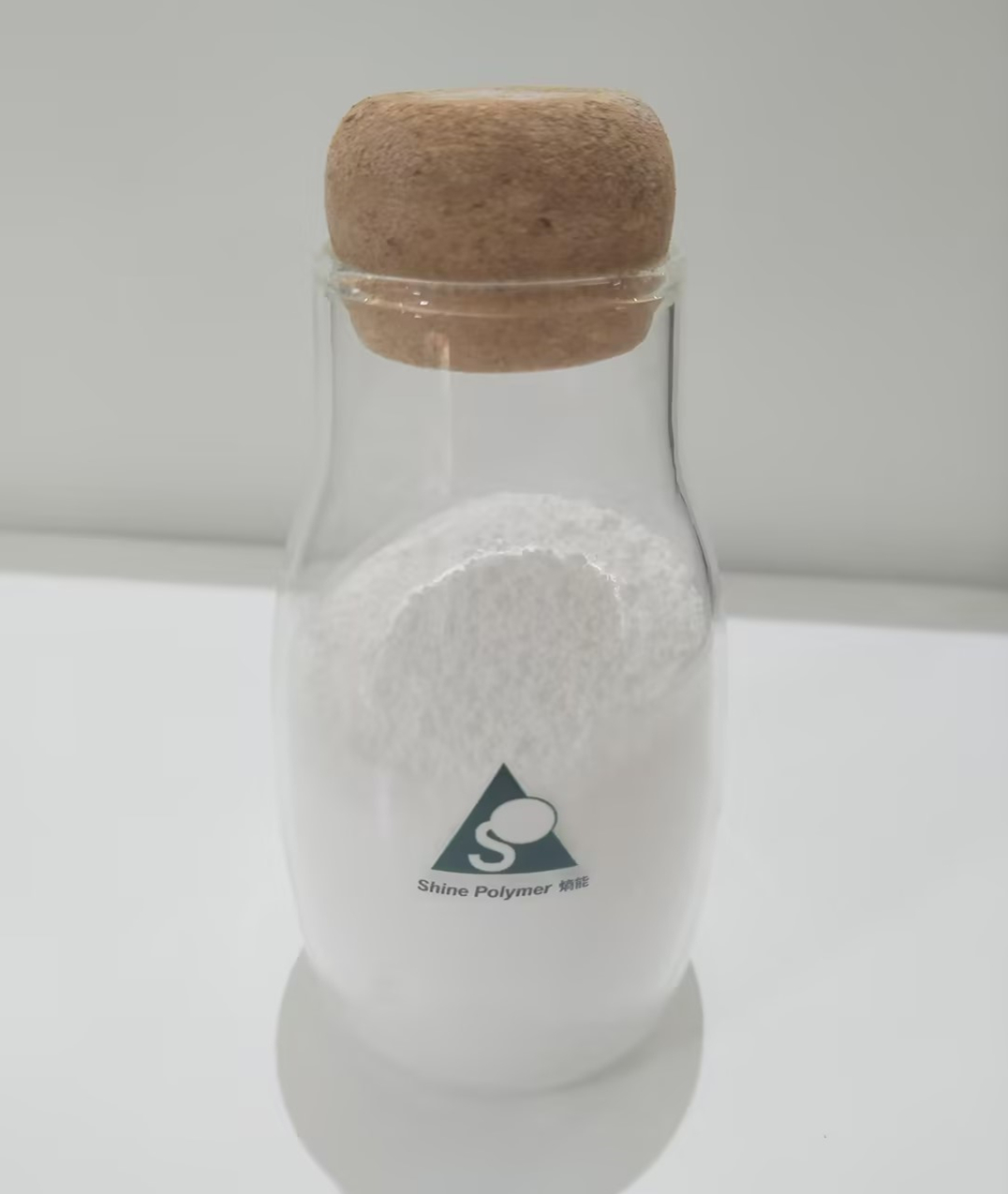
Acrylic impact modifier plays a crucial role in enhancing the toughness and durability of various materials, making it a vital addition in many manufacturing sectors. This polymer additive is commonly used to improve the properties of plastics, such as acrylics and other thermoplastics, ensuring they can withstand mechanical stresses without fracturing. For instance, in the automotive industry, the incorporation of acrylic impact modifier into automotive parts results in components that not only meet safety standards but also improve the longevity of the products. The impact modifier functions by providing a rubber-like toughness to the materials, greatly enhancing their resistance to impact and shock. This makes a significant difference in applications where products are exposed to harsh conditions or heavy use.
Practical Applications in Industry
In various industries, acrylic impact modifiers are indispensable. For example, the construction industry benefits from its use in siding materials and window profiles, which require resilience against adverse weather conditions. These modifiers allow materials to remain intact even under stress from temperature fluctuations or physical impacts. Moreover, electronic devices also utilize acrylic impact modifier to ensure stronger and more durable casings that protect sensitive components. By enhancing the mechanical properties of plastics, manufacturers can produce lightweight yet robust products that meet consumer demands for quality and endurance. This multiplicative increase in performance capacity is paramount, as it aligns with current market trends toward more sustainable and lasting products.

Key Benefits of Using ACR Processing Aid
Integrating ACR processing aid into production processes offers numerous advantages for manufacturers seeking efficiency and quality. This specialized polymer helps streamline processing by improving melt flow, thus enabling easier mold filling and shaping. Take, for example, the injection molding industry, where the use of ACR processing aid can significantly reduce cycle times. This not only enhances productivity but also ensures a consistent finish across produced items, ultimately leading to higher customer satisfaction. The fluid nature of ACR processing aid mitigates issues related to clogging, enabling a smoother workflow that is integral for maintaining high output levels in busy manufacturing environments.
Enhancing Manufacturing Processes with ACR Processing Aid
The benefits of using ACR processing aid extend beyond simplified manufacturing. Companies that adopt this polymer often notice a significant reduction in material waste, as it aids in achieving a more efficient use of raw materials. In scenarios involving difficult-to-process resins, the ACR processing aid effectively alters the rheological properties, ensuring a material that flows better, fills molds completely, and manifests fewer defects. This results in both cost savings and a more sustainable approach to production, allowing companies to minimize their environmental impact while maximizing their output quality. Additionally, utilizing ACR processing aid can lead to improved product performance, ensuring that final outputs not only look appealing but also function effectively in their intended applications.
Conclusion and Brand Recommendation
In summary, acrylic impact modifiers and ACR processing aids are crucial components in enhancing material performance across various industries. Their ability to improve the durability, quality, and processing efficiency of products makes them invaluable in today’s competitive manufacturing landscape. For manufacturers looking to source reliable and high-performance materials, Shine Polymer stands out as a leading provider. Their expertise in producing top-quality acrylic impact modifiers and ACR processing aids positions them as a valuable partner in a manufacturer’s journey toward innovation and efficiency.