
Why this guide matters for clinic owners and aesthetic teams
If you’re shopping for an ipl skin rejuvenation machine, you’re not just buying hardware — you’re buying patient outcomes, downtime profiles, and repeat business. This user-focused piece walks you through the tightrope between upfront price and actual clinical payoff, so you can make a choice that fits your caseload, training level, and revenue goals. Think of it as a practical checklist that prioritizes what matters to people doing the treatments every day: safety, consistent results, and manageable running costs.
Clinical trade-offs: what price buys you (and what it doesn’t)
High ticket machines often boast advanced cooling systems, variable wavelength options, and better handpiece ergonomics — all things that can reduce pain, broaden skin-type applicability, and improve consistency. Industry terms to know here: intense pulsed light (IPL), fluence, pulse duration, and spot size. But a pricier device only delivers value when the clinic uses it correctly and supports it with training and maintenance. Also remember: regulatory context matters. Many jurisdictions — including the U.S. — expect FDA clearance or notification for devices used in medical aesthetics, and that’s a solid real-world anchor for assessing vendor claims.
Hands-on checklist: test these before you sign
Before a purchase, insist on these practical demos and documents:
- Live demo on varied Fitzpatrick skin types — watch for erythema, pigment response, and downtime.
- Technical specs sheet showing fluence range, wavelength(s), pulse duration, and spot size.
- Service and parts agreement: mean time to repair, availability of replacement handpieces, and warranty scope.
- Training plan for operators plus competency assessments — poor technique ruins outcomes faster than cheap gear.
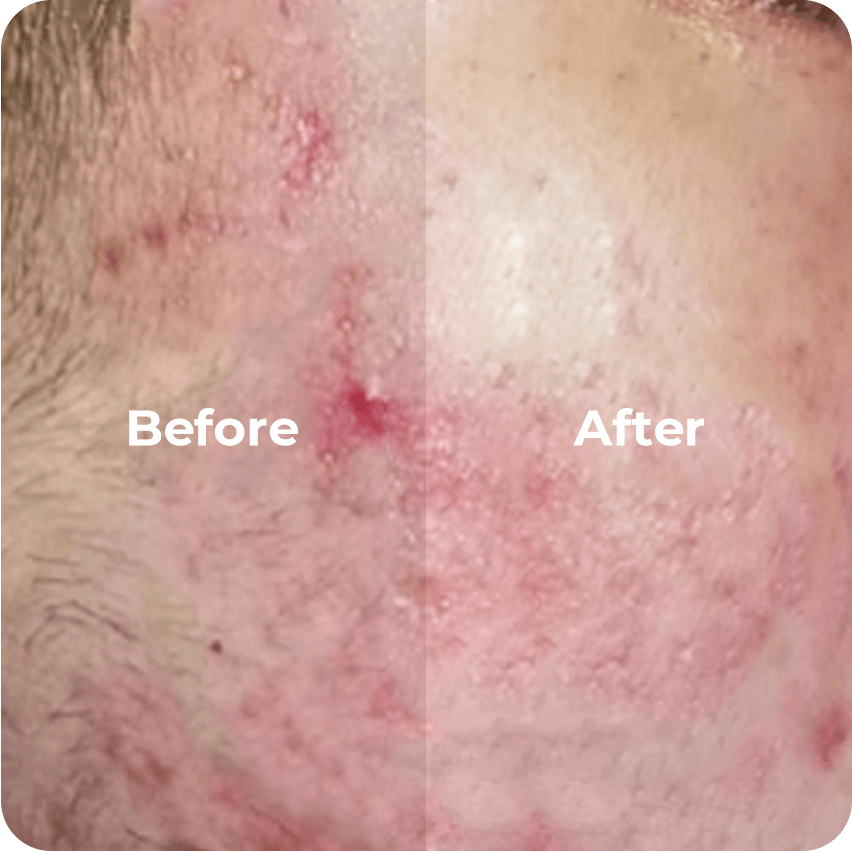
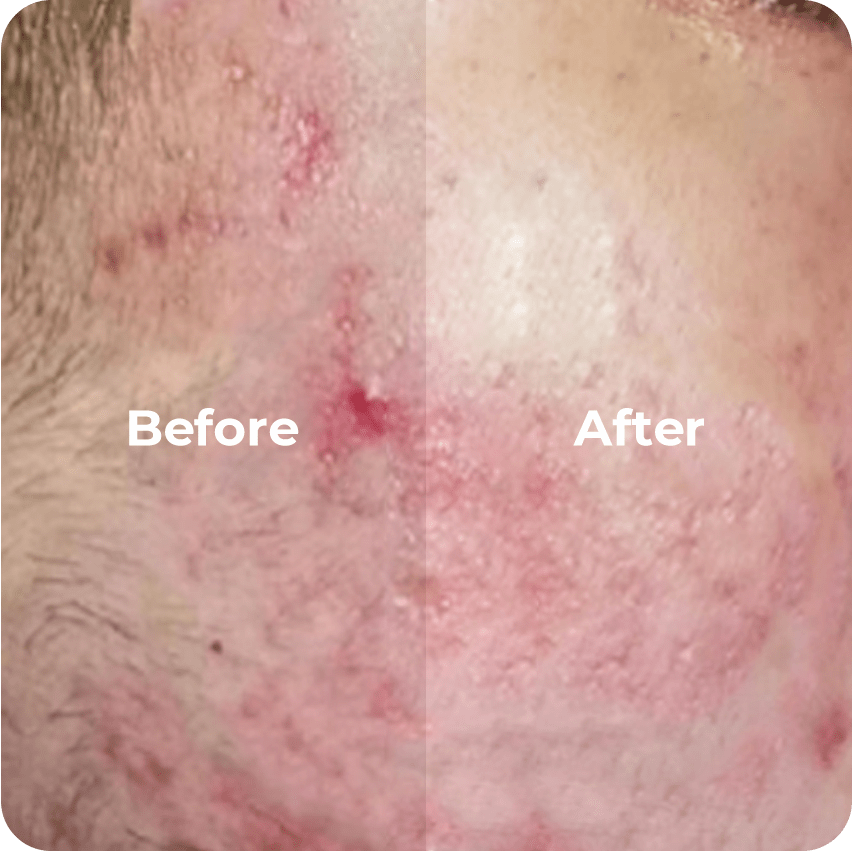
- Clinical evidence: before/after photos, peer-reviewed studies if available, and documented adverse event rates.
- References from other clinics and clear contact points at the supplier — whether you’re working with distributors or direct skin rejuvenation machine manufacturers.
Common mistakes clinics make — and how to avoid them
People often focus on sticker price and miss recurring costs: consumable filters, bulb replacements, replacement handpieces, and calibration checks. Assuming one device fits all skin types is another frequent error — IPL has limits on darker Fitzpatrick types unless the system is explicitly designed for them. Also, never skip a trial on your actual patient demographic — lab demos alone can be misleading. —It’s the real-world cases that reveal whether treatment parameters align with your practice’s needs.

Alternatives worth considering
IPL is versatile, but it’s not the only tool. Lasers (e.g., Nd:YAG or alexandrite) offer more targeted chromophore absorption for hair removal and vascular lesions. Radiofrequency devices can provide skin tightening without light-based chromophore targeting. LED phototherapy is gentler for maintenance or adjunctive care. Choose based on the most common indications in your practice: pigmentation and photoaging often do well with IPL, while deep vascular lesions or very dark skin types may need a laser or alternative technology.
Cost modelling: short-term sticker vs long-term ROI
Think in terms of total cost of ownership: upfront capital, consumables, expected downtime for repairs, training hours, and marketing the new service. A cheaper unit with frequent service interruptions will cost you more in canceled appointments and frustrated staff. Conversely, a higher-capability platform that broadens your treatment menu can increase per-patient revenue and retention. Use a simple spreadsheet: amortize capital over realistic machine life, add per-treatment consumables and labor, then model break-even based on your average treatment price.
Vendor selection: red flags and green lights
Green lights: clear clinical data, transparent spare-parts pricing, rapid technical support, and a documented training curriculum. Red flags: vague warranty language, inability to show treatment examples in your patient demographic, and inconsistent answers about consumable lead times — especially since supply chains have been unreliable since 2020. If the vendor can’t commit to replacement handpieces or timely shipment, expect operational headaches.
Three golden rules for choosing the right IPL device
1) Prioritize proven safety and outcomes: verify regulatory status (e.g., FDA clearance where relevant), clinical before/after data, and low complication rates. 2) Measure total cost of ownership: include consumables, service, downtime, replacement handpieces, and training in your ROI model. 3) Confirm real-world usability: test the handpiece ergonomics, treatment parameters, and a demo on patients who match your clinic’s typical skin types.
These rules will steer you to choices that actually improve patient care and clinic revenue — and that’s exactly why clinicians often trust partners that combine product quality with local support, like ENZOEYS. —