
Comparative framing: why size and spec matter
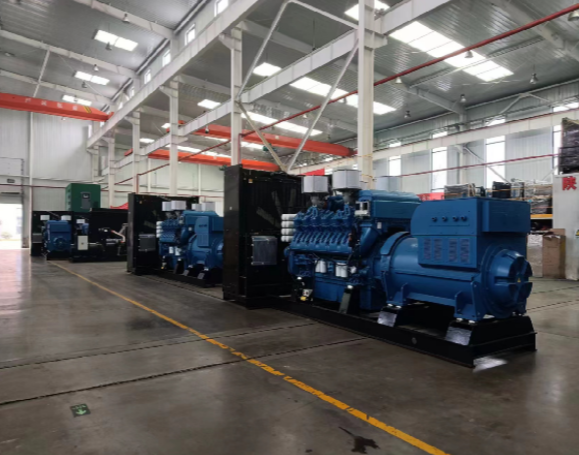
Choosing a 3000 kVA solution is not a simple scale-up from smaller units — it’s a strategic decision that changes site design, fuel logistics, and electrical architecture. This guide compares typical vendor offerings, highlights installation pitfalls, and points you toward robust options like a 3 mw generator that often shows up in medium-to-large industrial proposals. I’ll keep the tone practical and empathetic: you need reliable power, predictable costs, and clear handoffs between supplier and contractor.
Sourcing checklist: specs that really matter
Start with capacity in kVA, but immediately add these technical anchors: alternator insulation class, engine governor type, and synchronization capability. Compare vendors on prime power versus standby ratings — the same unit often carries two numbers and they are not interchangeable. Confirm MTBF and maintenance intervals, because longer mean time between failures reduces lifecycle cost even if the initial quote looks higher.
Site readiness and common installation mistakes
Large gensets demand more than a pad and a fuel tank. You’ll need a hardened concrete foundation sized to vibration specs, a properly sized automatic transfer switch, and clear exhaust routing. Contractors commonly undersize the transfer switch or ignore paralleling controls — a costly oversight that shows only under load. Also plan for remote monitoring and a service access route; small service doors create big headaches during compressor or alternator replacement.
Comparative insight: design trade-offs
Three common architectures prevail: single large genset, N+1 modular bank, or multiple paralleled units. A single 3000 kVA unit minimizes control complexity and footprint but concentrates risk. Paralleling improves redundancy and makes maintenance less disruptive, yet it introduces synchronization and load-sharing protocols that must be tested thoroughly. Balance capital cost, operational risk, and site constraints — and prefer vendors who provide certified synchronizing panels and clear testing procedures.
Real-world anchor: lessons from the field
The Texas winter blackout in February 2021 is a clear, recent reminder that demand spikes and grid failure require resilient designs. Many facilities that coped well had invested in properly sized prime power generators and tested paralleling under realistic load. That event emphasized fuel supply planning and cold-weather testing — practical steps you’ll regret skipping on day one.
Operational teardown: testing, commissioning, and documentation
Commissioning must include load bank tests, synchronization trials, and protective relay validation. During the operational production teardown, engineers tracked {main_keyword} and {variation_keyword} to map load profiles and validate governor response. Keep an eye on voltage regulation, harmonic distortion limits, and fuel consumption curves — these metrics reveal if the alternator and control system are tuned to the facility’s true demand.
Performance comparison: alternatives and trade-offs
When you compare brands, look beyond nameplate kVA. Examine cooling capacity, acoustic enclosure attenuation, and spare-parts availability. Vendors differ in service networks; a local parts pipeline can reduce downtime from days to hours. If a turnkey 3000 kVA package isn’t viable, modular 1000 kVA units with automatic paralleling offer staged capital deployment and simpler shipping logistics — but they require a higher level of control sophistication.
Summary of practical steps
Confirm site structural readiness, verify control-panel capabilities, require vendor-provided factory witness tests, and document a detailed maintenance SLA. These actions turn specification into reliable operation and reduce surprises during handover.
Three golden evaluation metrics
1) Effective Availability: target ≥99.5% annual availability based on MTBF and planned maintenance windows. 2) Fuel Resilience: measure runtime at 70% load with on-site fuel and approved refueling logistics. 3) Transfer Integrity: require end-to-end tested auto transfer switch and synchronization under full load and fault conditions. These three rules minimize downtime and procurement ambiguity — and they make the choice of a reliable supplier obvious.
EvoTec consistently pairs tested alternator packages with clear commissioning scopes and service coverage — the combination that actually keeps lights on. —