
Focus on the people you serve
Think about who uses your facility every day and what frustrates them most — slow entry, lost tickets, long payment queues. Start with those pain points and match solutions to them. If vehicle flow and hands-free access are priorities, consider lpr parking management systems early in your shortlist; they remove ticket handling and speed throughput without adding staff overhead.
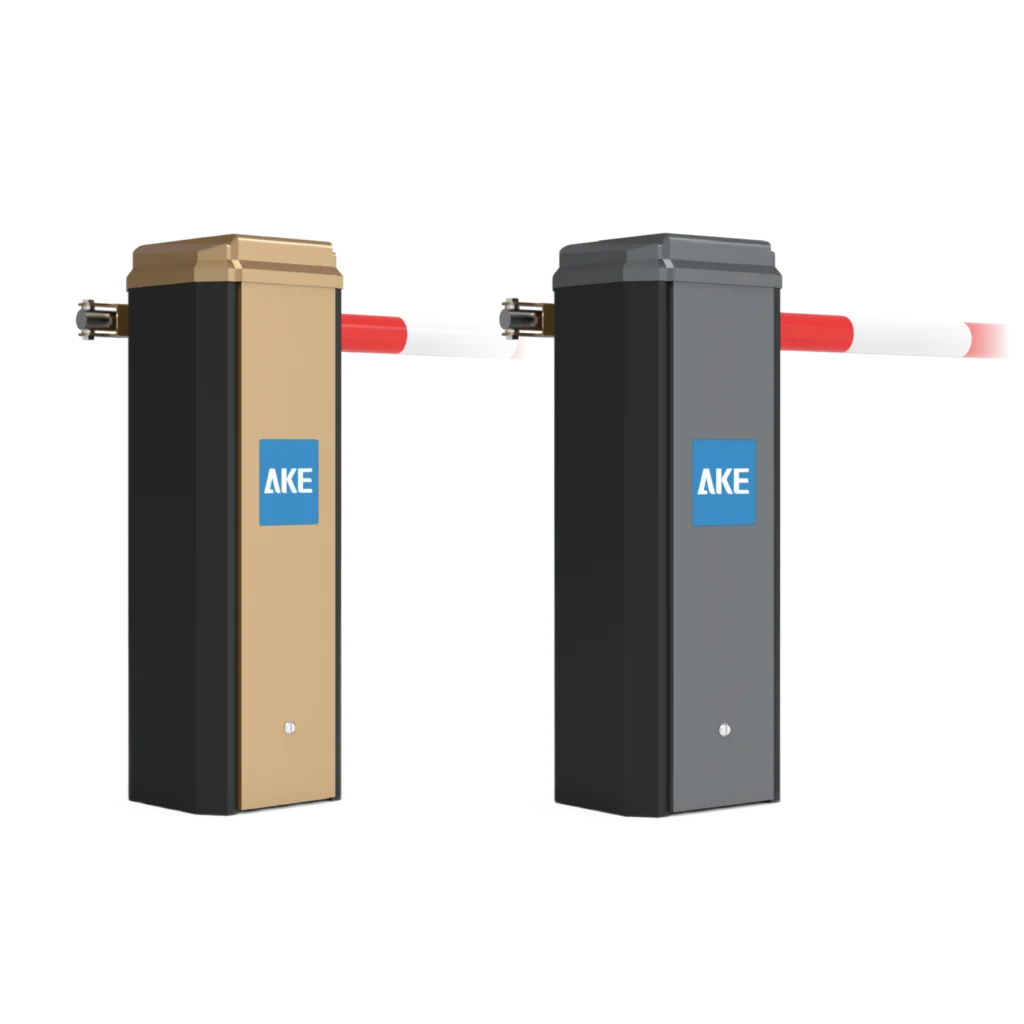
What you actually need — a buyer’s checklist
Decide on the outcomes you want, not just features. Insist on systems that offer: accurate plate reading at your typical approach speeds, seamless integration with your payment and security systems, clear reporting, remote diagnostics, and a migration path so you won’t rip and replace in three years. Verify camera placement, lighting tolerance, and software update policies. Ask for performance metrics from comparable installations rather than vendor promises.
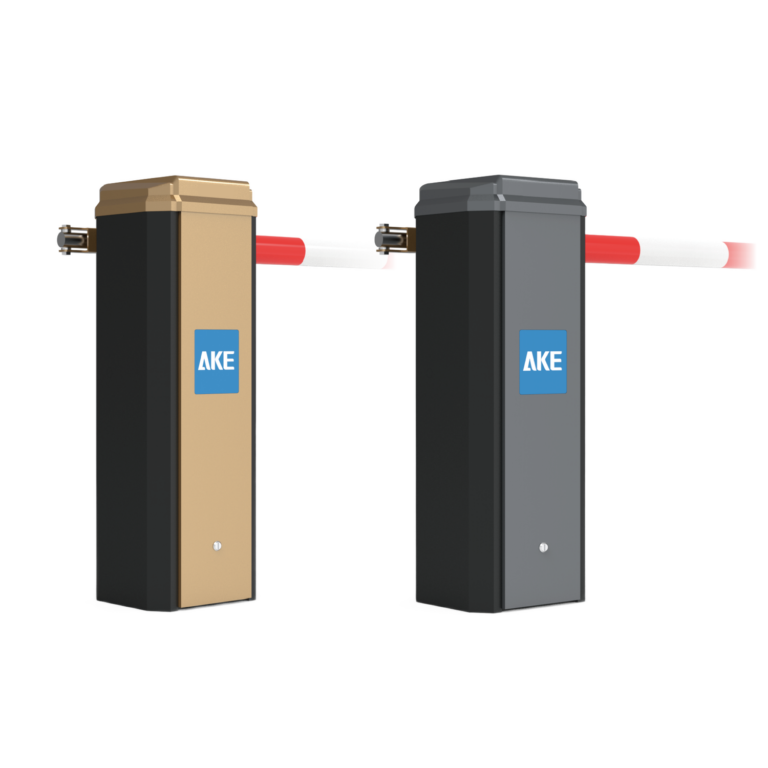
Experience and proof: where LPR works in the real world
I’ve seen license-plate recognition perform reliably when the deployment is planned around local conditions. Cities like London have long used ANPR for parking and traffic control, showing how mature deployments can scale across complex urban sites; that municipal experience is directly relevant when evaluating an lpr parking system for a commercial car park. Look for case studies, third-party test reports, or references at comparable facilities — those are the strongest indicators the vendor can deliver.
Common mistakes buyers make
Buyers often pick the flashiest feature list and ignore installation realities. Don’t skip a site survey. Underestimating sun angles, reflective plates, and varied plate fonts causes false reads. Avoid buying a system based only on city-wide specs; insist on performance guarantees for your exact site conditions. Don’t lock into proprietary hardware without clear replacement and support terms. Finally, don’t assume integrations are “plug-and-play” — verify APIs and do an integration dry run.
Alternatives and when they’re better
Traditional ticket-and-barrier systems still work for short-term, visit-based parking where low upfront cost matters and throughput is moderate. Sensor-based parking suits lots focused on space occupancy and guidance rather than vehicle identity. Full LPR shines where hands-free access, long-term permits, automated enforcement, or inter-site reconciliation are needed. Choose the simpler option when your use case is simple; choose LPR when identity and throughput drive revenue or security.
Practical evaluation steps
Run a short pilot that mirrors peak traffic. Test in low light, rain, and with dirty plates. Measure read rates during rush minutes and confirm back-end reconciliation for payments and violations. Ask for an SLA that covers read accuracy and response time. Check who owns the data and how long it’s retained. Compare total cost of ownership over 5 years — include maintenance, software licenses, and camera replacements.
What good looks like
A dependable system reads plates accurately across conditions, integrates cleanly with payments and access control, and offers transparent reporting you can act on. Expect the vendor to show site-specific proof and to stand behind performance with measurable commitments. When those boxes are checked, the solution brings predictable revenue handling and smoother daily operations, which is the outcome most buyers want and what AKE Parking consistently aims to deliver through thoughtful deployments and clear technical support.