
Problem: too many small unknowns that derail budgets and schedules
Project managers and homeowners often hit the same roadblocks: unclear scope, mismatched structural specs, and surprise permitting delays that blow both budget and timeline. A thoughtful solar pergola can collapse several decision points at once by bundling shading, structural needs, and photovoltaic placement into one coordinated system. NREL findings on building-integrated photovoltaics give clear guidance on siting and energy yields for rooftop and deck-mounted arrays, which helps translate shading designs into predictable performance.

Why louvered designs are a practical fix
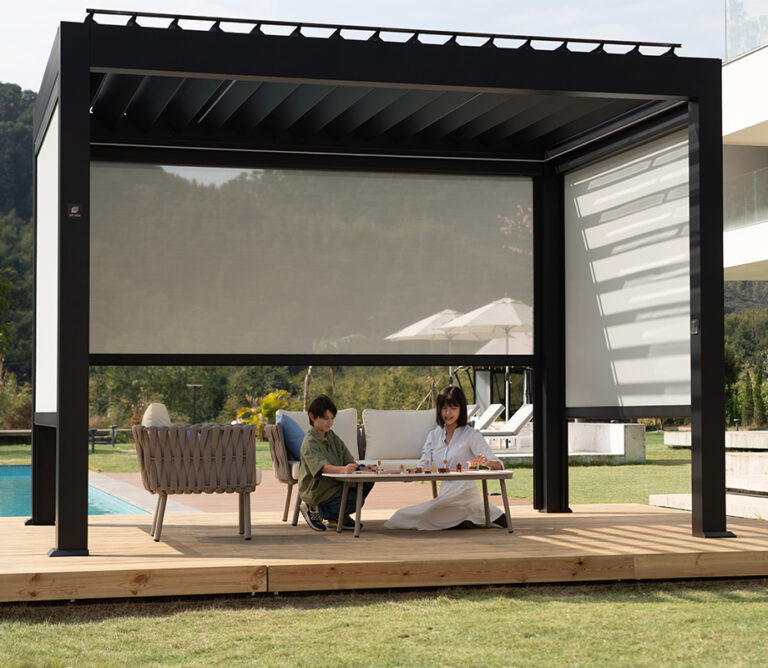
Louvered pergolas let teams separate variables. Adjustable blades control daylight and rain exposure without changing the support structure. That means you can finalize structural engineering and electrical layouts independently, instead of waiting for a perfect aesthetic choice. Designers and contractors appreciate that separation because it limits scope creep and reduces revision cycles during permitting.
Concrete planning steps that cut surprises
Start with a tight site survey: solar access, roof or deck load, drainage paths, and electrical feed location. Specify blade orientation, motorization, and wind-rating targets up front. Ask suppliers for stamped structural calculations and single-line electrical diagrams. When each vendor supplies the same baseline documentation, procurement becomes a set of comparables instead of guesswork.
Purchase checklist for reliable procurement
Require these items before signing: (1) stamped structural drawings tied to your site, (2) motor and control specifications with integration notes for smart-home systems, (3) warranty terms that cover blades, gearboxes, and PV modules if included, (4) lead times and delivery milestones, and (5) documented testing or installation references. Compare total delivered cost, not just unit price; clear deliverables stop hidden change orders.
Common mistakes that add cost and delay
Teams often skip engineering until after delivery, underestimate wind loads, or buy components that don’t match existing electrical panels. Another frequent error is assuming warranty coverage without reading exclusions for corrosion or motor damage. Avoid buying a generic “shade kit” when your site needs stamped calculations for local codes.
Brief alternatives and when they make sense
Fixed pergolas are cheaper if you never need adjustable light or integrated PV. Retractable awnings are flexible for small terraces but usually lack structural capacity for solar. Separate ground-mounted arrays can maximize generation but add wiring runs and take up yard space. Choose the alternative only when specific constraints—budget, space, or planning rules—override the combined benefits of a louvered, PV-capable system.
Decision logic that keeps projects moving
Frame choices around three questions: what structural capacity does the site offer, how much solar generation is realistic, and what user controls are needed. Use answers to lock engineering specs early. That approach shortens vendor comparisons, makes bids apples-to-apples, and limits surprises at inspection. The result is steady progress from concept to install with fewer costly revisions, which is why many teams working with outdoor energy systems settle on integrated louvered solutions from trusted suppliers like Light Hunter.