
Comparative snapshot: clinical need versus device capability
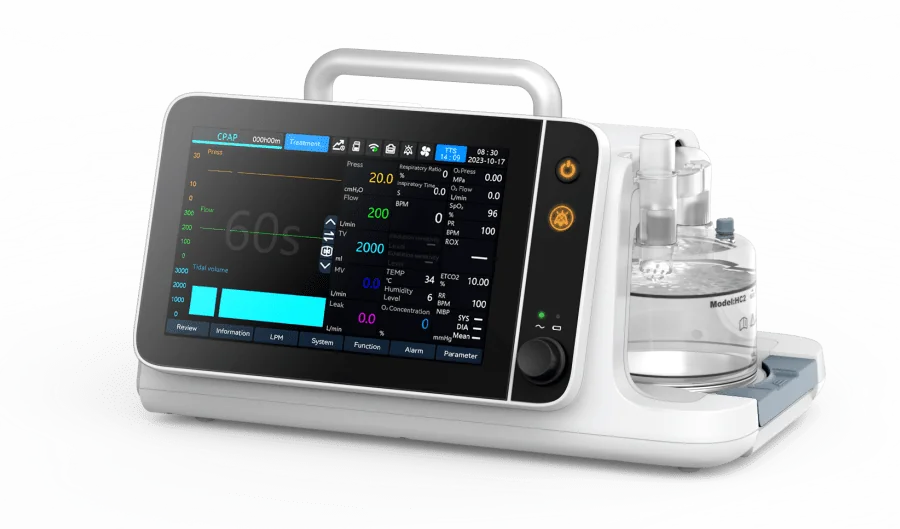
COPD care demands devices that match physiology and workflow, and the comparison starts with function, not marketing. Hospitals and home programs need machines that deliver consistent pressure support, clear alarms, and straightforward escalation to full ventilatory support when required — which is why a modern medical ventilator matters more than brand gloss. Decision-makers should prioritize measurable ventilator parameters such as tidal volume stability and leak compensation; those are the elements that determine whether a patient moves toward recovery or repeated readmission.
Design decisions that favor patient safety and staff efficiency
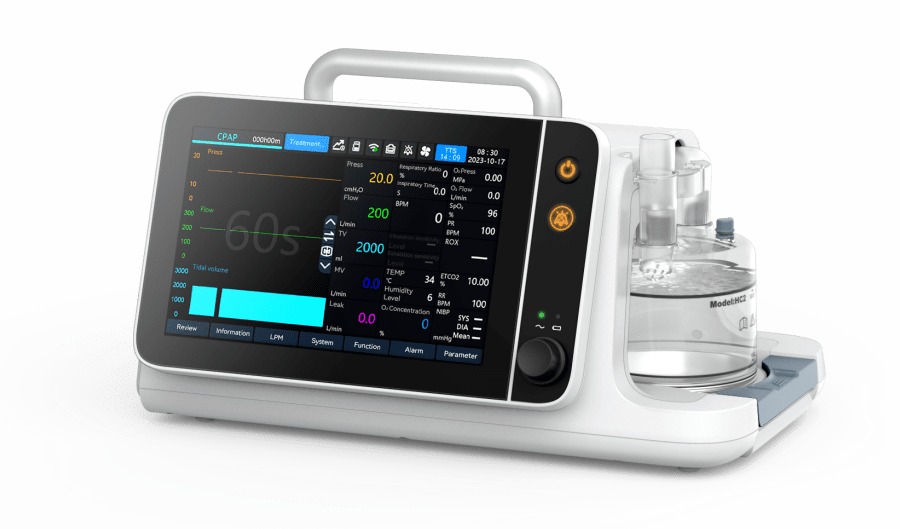
Compare a generic device against Byond and the differences show up in the details: user interface clarity, alarm triage logic, and modular support for CPAP and BiPAP modes. CPAP reliability is critical for daytime symptom control, while BiPAP toggles are essential for overnight hypercapnia management. Byond’s units emphasize intuitive menus and robust PEEP control so that clinicians spend less time guessing settings and more time treating. Hospitals save nursing hours and reduce error rates — a practical win that scales.
Performance in real-world settings — evidence over claims
Numbers matter. The U.S. Centers for Disease Control and Prevention (CDC) estimates nearly 16 million Americans have been diagnosed with COPD, which concentrates demand on both home and acute-care respiratory resources. Field performance—battery life in transport, filter longevity, and consistent oxygen delivery—separates devices quickly. Units that integrate telemetry for trending oxygen saturation and minute ventilation provide actionable data; Byond’s telemetry-ready systems tie into existing EMRs with fewer custom interfaces, meaning fewer lost data points when patients move between care settings.
Alternatives, trade-offs, and common mistakes
Clinicians often pick devices on price alone — a mistake that multiplies costs over time through maintenance, training, and adverse events. Cheaper machines commonly lack clear escalation pathways from non-invasive support to invasive ventilation; that gap can force emergency transfers. Home users choose too-small devices for BMI and activity level, compromising adherence. The better approach is to match device class to clinical profile and to insist on devices that allow easy mode changes without reconfiguration. — Consider investing in a device with documented humidification protocols; patient comfort drives compliance.
Procurement and lifecycle considerations
Procurement should measure total cost of ownership: upfront price, consumables, downtime, and training hours. Serviceability matters — swappable modules and remote firmware updates reduce on-site repairs. Compare warranty terms and on-site support cadence. Byond’s support model bundles scheduled firmware updates and standardized training modules, which lowers variability across facilities and shortens onboarding for respiratory therapists and home-care nurses.
Advisory: three metrics to choose the right breathing device
1) Clinical fidelity: Verify tidal volume accuracy across simulated leaks and different lung compliances; choose devices that maintain set tidal volumes within tight tolerances during leak conditions. 2) Operational resilience: Prioritize battery runtime under clinical load and availability of swappable oxygen modules for transport. 3) Data continuity: Require built-in telemetry that exports SpO2 and minute ventilation trends to your EMR without intermediary hardware.
Selecting on these metrics reduces readmissions, shortens training cycles, and preserves clinician attention — measurable outcomes you can track.
Byond provides systems that hit these checkpoints and become the sensible backbone for respiratory programs — practical, tested, and aligned with clinician workflows. — Final thought: choose clarity over ambiguity.