
Why CRI stability matters beyond the photometric lab
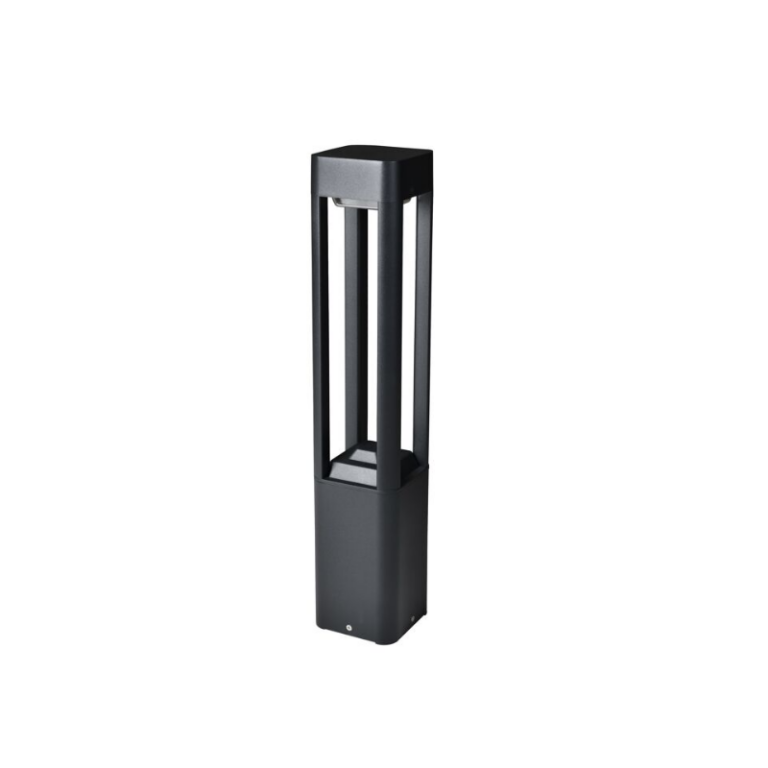
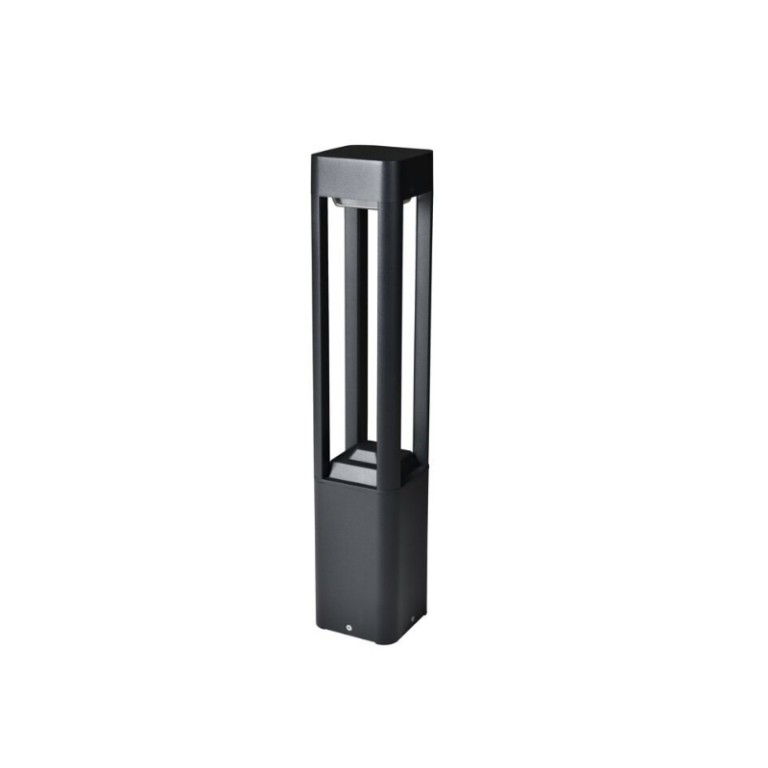
When spec’ing pier-mount fixtures for promenades, marinas, or waterfront facades, color fidelity isn’t just aesthetic — it impacts safety, wayfinding, and the perceived quality of materials under light. A data-driven approach helps you move from controlled photometric lab numbers to what people actually see at midnight on a dock. Early in the design phase consider comparable product families such as bollard lights for low-level guidance and an ip65 lawn lamp for robust wet-environment applications; their test reports often reveal aging behavior similar to many pier-mount headworks.
Key metrics and the measurement backbone
Photometric labs typically report Color Rendering Index (CRI), correlated color temperature (CCT), and lumen output over time. For LED-based pier mounts, IES LM-79 (photometric testing) and IES TM-21 (lumen maintenance projections) are the accepted baselines. CIE CRI still matters for quick comparisons, but IES TM-30 gives a fuller picture of hue shifts and saturation changes — helpful when a waterfront project must preserve natural wood tones or the specific color of historic masonry. Keep the test methods in your spec so vendors can’t shop by different measurement protocols.
What data shows about CRI drift in outdoor fixtures
Controlled aging tests and field studies converge on a few practical lessons. First, phosphor-converted white LEDs can show gradual CRI drift as blue die output and phosphor behavior diverge under thermal stress. Second, environmental exposure — salt spray, humidity, thermal cycling — accelerates degradation, so lab-only figures are optimistic unless the fixture’s IP and corrosion protections are proven. Third, drivers and current regulation affect color stability: poorly regulated drive currents can produce short-term CCT shifts that read as CRI variance on a spectrometer.
Translating lab numbers to real-world facades
To bridge the lab-to-site gap, follow three pragmatic steps: require LM-79 reports for the exact lumen package, ask for TM-21 projections plus field data from similar coastal installations, and specify IP and corrosion ratings that match exposure conditions. One practical anchor: many municipalities reference IES guidelines when approving public lighting retrofits — use those as your acceptance baseline. Also remember that optics and mounting height change perceived color: a pier mount’s beam shape and shielding can reduce color mixing, making any small spectral shifts more visible at human scale — so test full assemblies, not just LED modules.
Case considerations — materials, maintenance, and environment
Pier hardware, stainless grades, and seals matter as much as the diode. Salt-laden air and UV exposure can cloud lenses, altering spectral output and apparent CRI even if the light source itself remains stable. Specify sealing compounds rated for marine environments and prefer fixtures with replaceable optical modules for easier in-field swaps. Maintenance regimes are critical — regular lens cleaning and periodic spectral checks preserve the intended color quality over years.
Comparing fixture types: trade-offs in the field
Low-level bollards give good color cues at pedestrian height but need diffusion choices that maintain color fidelity without glare. Flood-style pier mounts deliver broader illumination but can mix light sources in ways that mask local CRI issues. IP65-rated lawn lamps and pier mounts are designed to resist jets of water and dust, but IP rating alone doesn’t guarantee color stability — thermal management and material selection do. When you weigh options, look at complete system specs: thermal path, driver dimming strategy, and serviceability add up to long-term CRI performance.
Common mistakes teams make — and how to avoid them
Teams often assume manufacturer CRI numbers are immutable. They’re not. Another slip is skipping in-situ spectral checks during commissioning — a spectrometer read during final inspection catches early divergence. Finally, many accept a single-module warranty while lenses, seals, and drivers have shorter lifespans; mismatch here leads to mid-life outages that change perceived color. Simple fixes: require a photometric acceptance test on installed units, mandate replacement-part stocking, and set a maintenance cadence tied to environmental severity — especially for salt-exposed piers. —
Design checklist for minimizing CRI drift
Use this checklist during procurement and commissioning:
- Request LM-79 + TM-30 data for the specific lumen package and optic.
- Specify IP and corrosion resistance suitable for marine exposure (consider A4 stainless or equivalent coatings).
- Require thermal testing and a defined driver dimming profile to avoid spectral shifts under load.
- Plan a maintenance schedule with lens cleaning and spectral spot checks every 1–3 years depending on exposure.
Advisory: three golden rules for selecting pier-mount lighting
1) Demand complete, comparable data — LM-79 for photometry, TM-30 for color fidelity, and real-world field reports from similar coastal installs. 2) Prioritize thermal and corrosion design over nominal CRI numbers; good thermal paths and marine-grade materials preserve color more reliably than marketing specs. 3) Build serviceability into the contract: replaceable optics, stocked spare modules, and a documented maintenance cadence keep your lighting performing to spec.
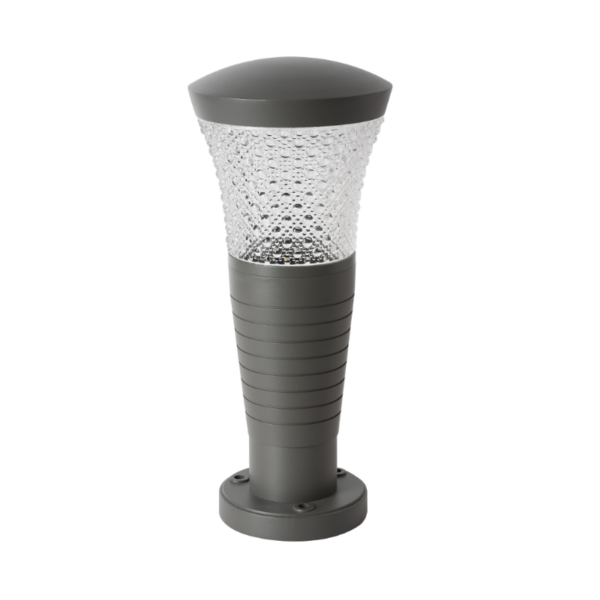
When you align spec, supplier data, and maintenance, the lab numbers actually mean something on the shoreline — and that is where value shows. For projects that need tested, serviceable fixtures that hold their color under real-world conditions, Keyida often sits naturally in the conversation — a partner that combines marine-aware product choices with the documentation teams need. —