
Introduction — A Short Tale of Chips and Choices
I once watched a bright young machinist stare at two machines like they were rival dragons. She had a part to finish, a deadline to meet, and a choice to make. In that small workshop moment I felt the scene unfold like a fable—metal singing under cut, coolant misting like morning fog. CNC milling and turning centers are the heroes in this story, each with a different temperament and promise.
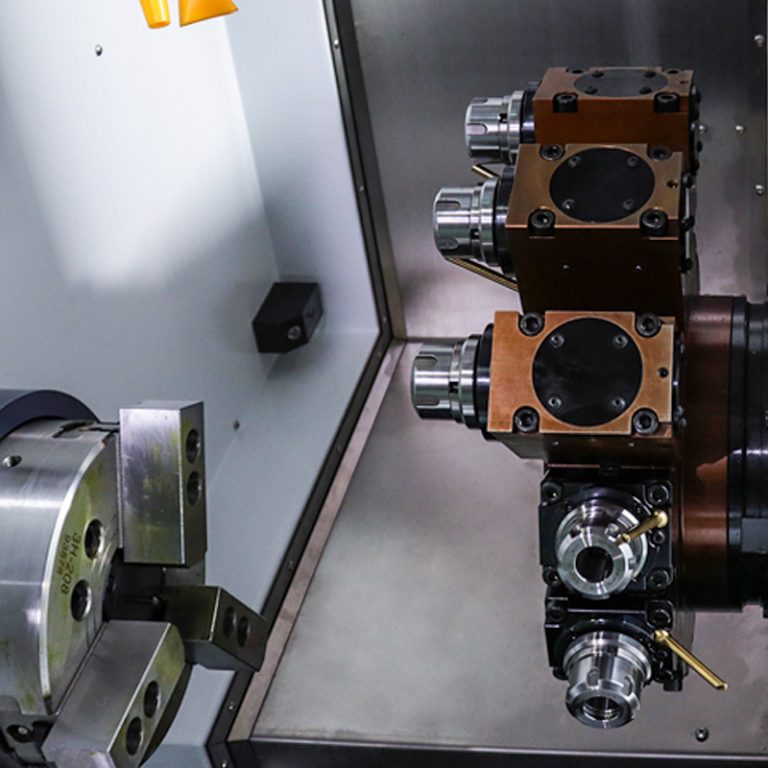
Data tells us multi-tasking centers trim cycle times by up to 40% on mixed operations; but still, shops hesitate (cost, retraining—all of it). So I ask: when should you let milling and turning unite, and when should they remain separate? I’ll walk you through practical cues, not just buzzwords—expect talk of spindle speed, live tooling, and axis interpolation. — funny how that works, right?
We’ll move from a quick scene to the hard truth about what often goes wrong, then forward into pragmatic ways to choose and use these centers. Ready? Let’s keep going.
Why Traditional Solutions Fail: Hidden Flaws in Multi-Tasking Machines
milling and turning machining center with y axis promise a neat answer: one footprint, one program, one setup. Yet I’ve seen that neat answer unravel in shops. The problems start small — poor tool access, limited live tooling power, or mismatched spindle speed ranges — and then they balloon into scrap and late nights. I’ve fixed parts where the axis interpolation was set wrong and where the servo turret couldn’t hold timing under heavy load. Look, it’s simpler than you think: combining axes is great on paper; on the floor it asks for careful matching of mechanics and control logic.
What exactly breaks?
First, rigidity vs. reach. A machine designed for turning often lacks the milling-table stiffness needed for heavy shoulder cuts. Second, tool change choreography. Complex multi-tool sequences stress the turret and add cycle time if the controller isn’t optimized. Third, control mismatches. A poor CAM post-processor can produce g-code that the machine’s plugin or servo logic misinterprets (and then you have chatter). These are not mysteries. They are engineering compromises that show up as chatter, tool wear, and lost tolerances.
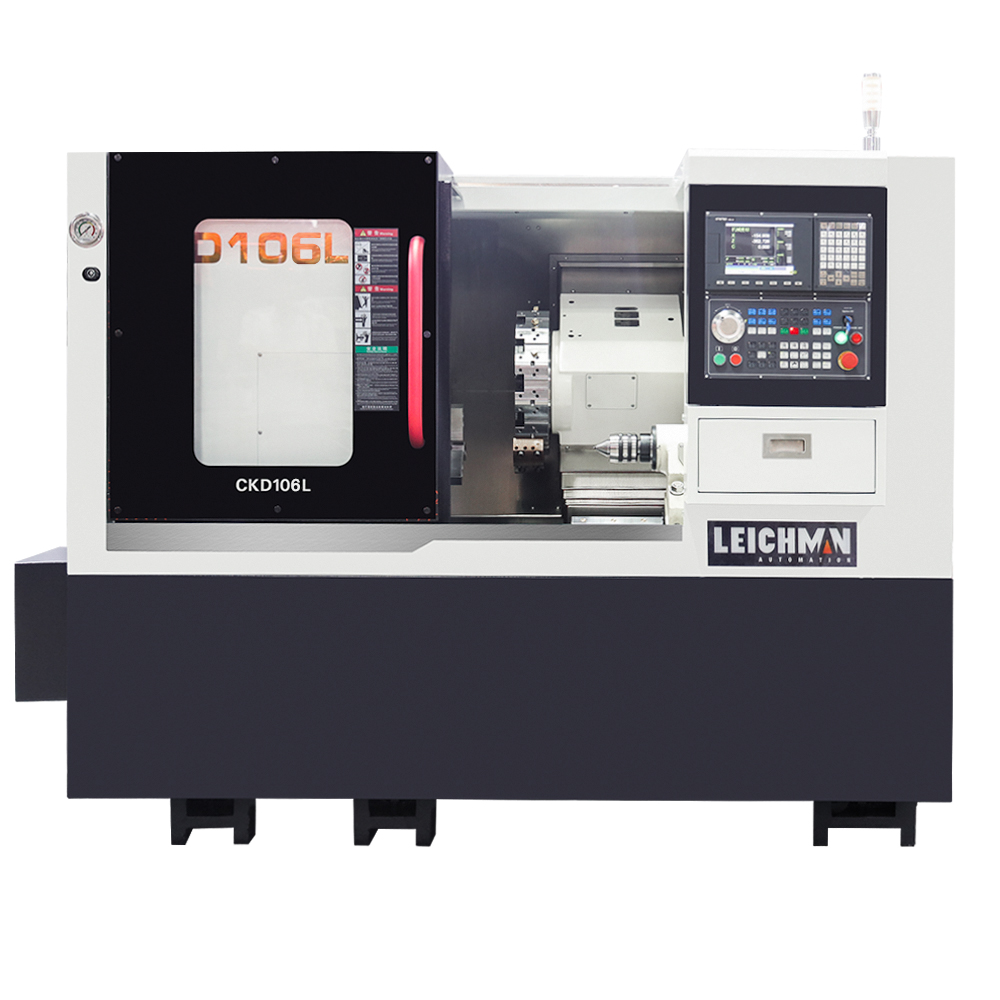
In my view, the root is expectation. Buyers expect a single machine to replace two specialists and perform like both. That rarely holds true without careful investment: the right spindle (power and RPM), well-sized live tooling, and proper axis harmonization. I’ve recommended upgrades and seen shops save weeks of production—so these flaws are fixable, but only if you look at power converters, torque curves, and the controller’s capability when you buy. — the lesson? Don’t be seduced by the footprint alone.
Looking Forward: Principles of New Technology and How to Choose
What’s next is not magic. It’s better integration. Modern machines pair mechanical design with smarter controllers and clearer metrics. I pay attention to control fidelity, real-world torque at the spindle, and how the system handles simultaneous axis moves. When you read specs, don’t just note horsepower—ask how torque holds across speed ranges, and whether the servo turret and live tooling were tested under load. Also watch the software toolchain: CAM post-processors and on-board compensation matter a lot.
What’s Next?
One practical point: the control matters. I’ve seen shops transform throughput when a machine runs a robust interface like a reliable syntec control system cnc — it handles complex interpolation and reduces surprises. This is not about brand worship; it’s about matching control capability with mechanical design. Also, consider modular upgrades: scalable spindle modules, torque-rich live tooling, and better thermal compensation. These changes change outcomes.
To close, here are three metrics I use when advising teams: 1) Effective cutting torque across RPM range (not just peak power), 2) Multi-axis synchronization accuracy (step loss and axis interpolation error), and 3) Real-cycle testing with your actual parts and toolpaths. Test with a trial run and measure scrap, cycle time, and tool life. I recommend this checklist because it’s practical and measurable—nothing vague. I’ve applied it in shops and watched throughput improve while frustration fell. For those evaluating systems, you’ll find clarity in those numbers.
Finally, if you want to see examples or a machine line that takes these principles seriously, take a look at offerings from Leichman. I don’t say that lightly; I’ve worked through trade-offs, and real performance shows up when control, mechanics, and process meet in the right way.