
Introduction: The Heat Problem Meets Real-World Use
On a busy motorway plaza at late afternoon, a line of EVs pulls into twin DC stalls. A liquid cooling module sits behind the panels, quietly deciding if power can ramp without tripping thermal limits. For an operator weighing peak throughput, uptime, and noise rules, a move like ultra fast charging station 30 looks like a simple checkbox—more kilowatts, fewer complaints. Look, it’s simpler than you think, yet heat makes it tricky. Field data shows that above 32°C ambient, fan-cooled cabinets often derate by 10–20% during back-to-back sessions. That means slower turns and longer queues. Do we let heat set the business model, or do we set the limits differently?
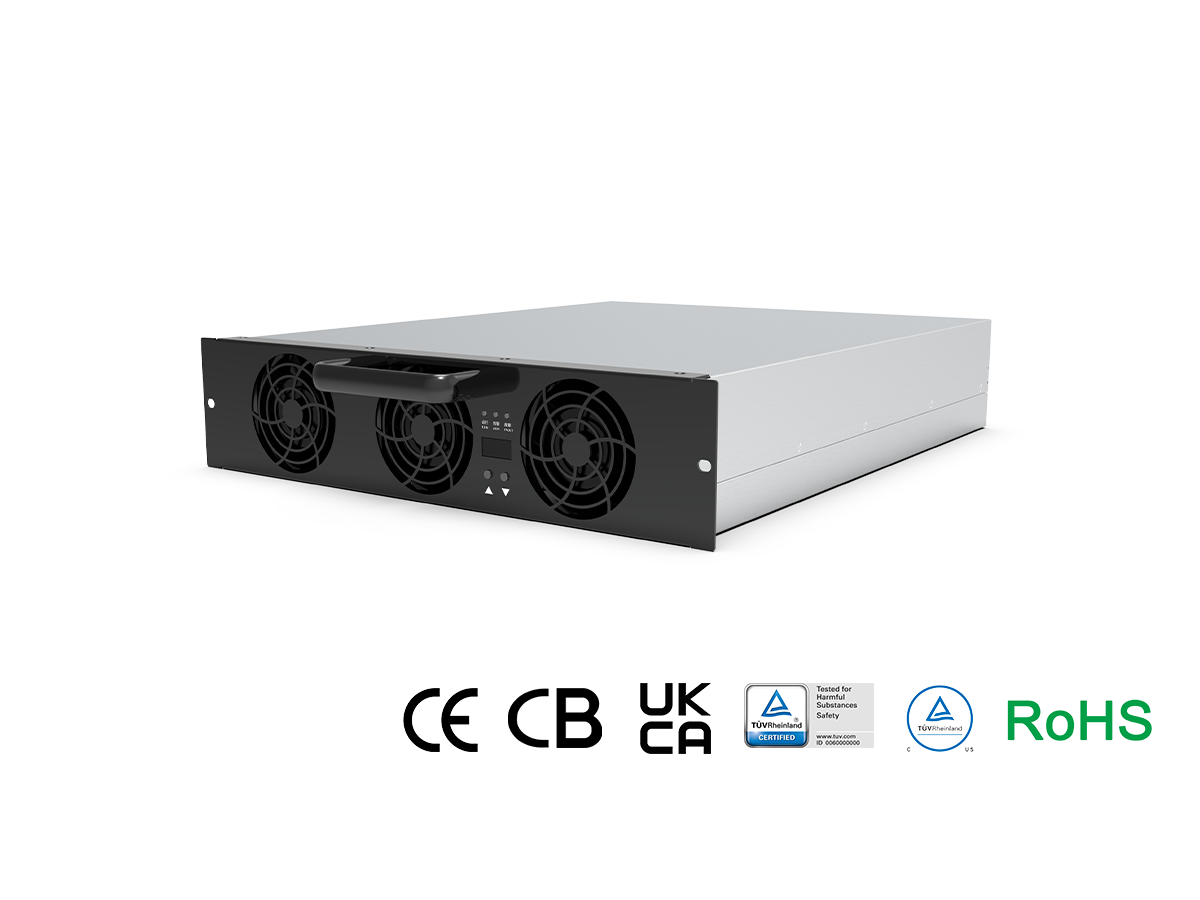
Here is the deeper layer we often miss. Drivers feel delay as “bad service,” but operators feel it as unstable revenue per hour. Traditional forced-air designs spread heat poorly around dense power converters and control boards. Hot spots near IGBTs and DC link capacitors trigger protection early. Fans pull dust; filters clog; noise rules bite. And maintenance windows? They arrive when demand spikes—funny how that works, right? This is not only a thermal equation. It is also a layout and serviceability problem. Edge computing nodes stuffed in the same cabinet add heat load and complexity. If a stall must derate to protect components, the queue grows and session quality drops. So the real question is simple: how do we cool smarter, not louder?
Why do legacy fixes fall short?
Many sites add bigger fans and vents. But air has low heat capacity, and cabinet geometry limits flow. You end up moving noise and dust, not watts. That is why liquid keeps popping up in next-gen plans.
Comparative Insight: New Principles and the Road Ahead
Let’s compare the old and the new on first principles. Air systems move volume; liquid systems move heat density. Liquid brings coolant right to the source—MOSFET substrates, inductors, even busbar junctions—via cold plates and a compact manifold. That shortens the thermal path and cuts temperature swings between components. In practice, it means more consistent output under peak load. When a station cycles hard, liquid loops throttle heat through a plate, a pump, and a radiator. Less derating, less fan noise, fewer dust traps. Pair that with SiC devices and tight power factor correction, and you get smoother efficiency curves— and yes, that matters. If your roadmap includes a high frequency charging module, the higher switching speeds reduce passive bulk, but they raise local heat flux. Liquid is the sensible counterweight.
So what’s next? Operators want predictable throughput per site, not just headline kW. Liquid cooling improves thermal headroom and component life, which stabilizes sessions per hour. It also helps meet tighter urban noise caps. We saw above how hidden pain points—hot spots, dust, and service timing—hurt revenue. Here the contrast is clear: air fights symptoms; liquid targets the source. The lesson is not “buy everything liquid.” It is to measure what improves service quality. To choose well, use three evaluation metrics: 1) thermal stability under 95th-percentile ambient and back-to-back duty (not just peak rating), 2) lifecycle cost, including pump MTBF, coolant service intervals, and filter changes, and 3) output consistency per stall during simultaneous sessions across the cabinet. Close the loop with real telemetry, then scale what holds under stress. For a grounded view on components and integration, see winline technology.