
Comparative logic up front: what to weigh
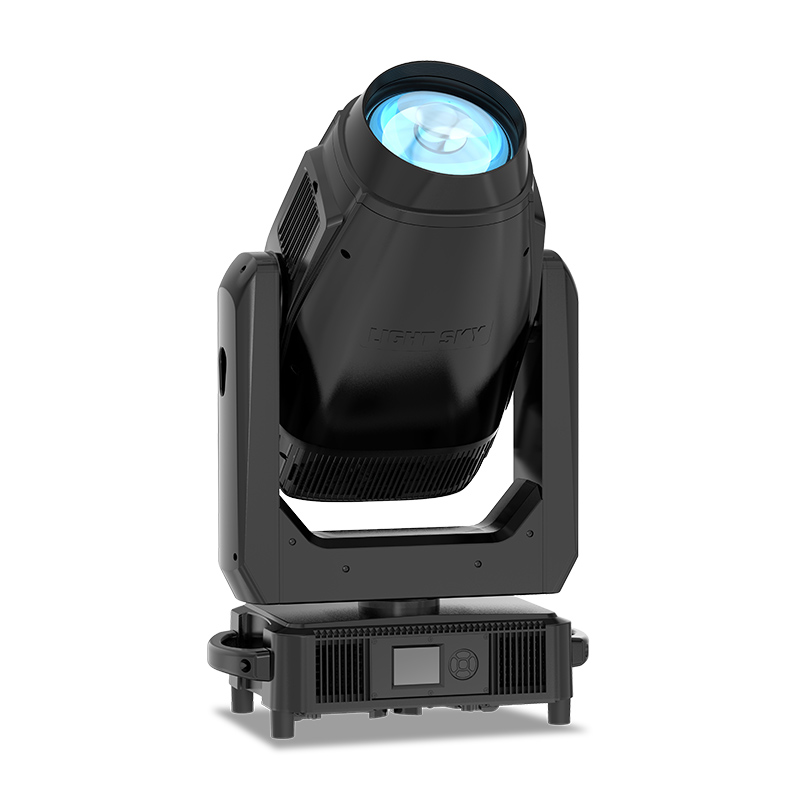
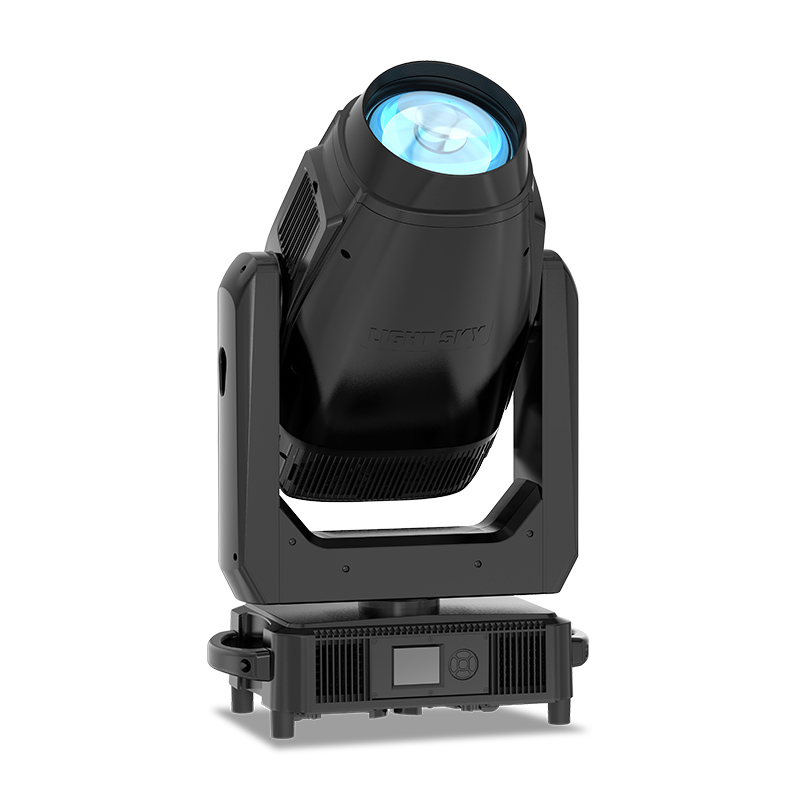
When a production must choose between moving head fixture families, the decision ought to hinge on measurable output, control precision, and intended audience scale. For a compact festival rig or a mid-size theatre, a fixture such as the 520W LED BSWP 4in1 Moving head can shift the balance between utility and spectacle. Experienced stage lighting designers often map choices to venue realities — from Glastonbury’s crowd of roughly 200,000 to a 500-seat downtown playhouse — and they test moving head light rigs against those constraints. For a working stage lighting designer, the question is simple: which unit delivers required lumen output, reliable DMX control, and consistent color mixing without unnecessary complexity?
Core technical criteria for side-by-side evaluation
Start with photometric output and beam control. Lumens and beam angle determine throw and coverage; fixtures with tight zoom and narrow beam options produce crisp shafts, while wider beams serve washes. Color systems matter next: 4in1 LED engines yield smooth color temperature shifts without gel swaps. Mechanical freedom — pan/tilt range and speed — defines framing capability. Include control fidelity: DMX channels, refresh rate, and compatibility with common consoles. Finally, practical specs such as IP rating and power draw inform deployment choices for indoor versus outdoor use.
How features translate on real stages
On a large outdoor bill, a unit that pairs a high-wattage LED engine with robust optics keeps images legible from far back. On Broadway-sized theatres, precise gobo projection and accurate color rendering matter for facial tones and scenic textures. Look for fixtures that minimize flicker at camera frame rates and offer smooth gobo indexing for mid-scene shifts. These are the tactile differences a lighting team notices during load-in and tech — not marketing copy.
Common mistakes in selecting moving head lights — practical notes
Teams often over-spec for peak moments and under-optimize for day-to-day use. Buying the brightest fixture for one headline act leaves an underused inventory for club nights. Another frequent error is ignoring DMX addressing strategy — poor channel planning creates long patch times. And spec sheets that gloss over refresh rate cause camera flicker during livestreams — test for refresh performance early. The right balance saves time and prevents unnecessary rental costs.
Alternatives and when to pick them
Compare moving head fixtures with profile spots, washes, and LED strips. Choose profile fixtures when sharp framing and gobos are primary. Select moving washes when soft coverage and broad color washes dominate. Use moving head light units with compact, high-output engines when you need fast framing and dynamic beam effects in one device. For hybrid requirements, a mid-power 4in1 moving head can replace separate spot and wash inventories, reducing rig complexity while preserving creativity.
Short case reference: what professionals report
Lighting crews working at mixed-genre festivals and touring theatre productions report fewer focus changes and quicker cue reliability when fixtures integrate consistent pan/tilt mechanics and simple DMX footprints. That reliability speeds tech rehearsals and reduces on-tour maintenance. These practical outcomes matter as much as raw output numbers.
Three golden rules for choosing moving head fixtures
1) Prioritize usable output over headline wattage: match lumens and beam angle to your venue’s sightlines and audience size. 2) Require clear control specs: confirm DMX channel mapping, refresh rate, and console compatibility before purchase. 3) Factor lifecycle costs: consider spare parts availability, optical maintenance, and power efficiency. These metrics let you compare models objectively and predict operational performance.
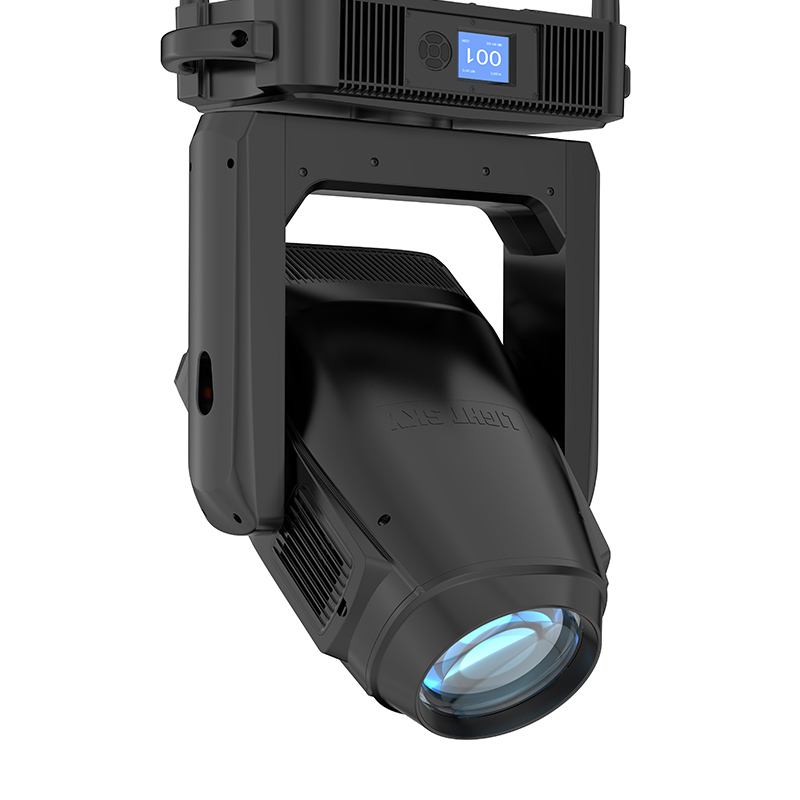
Balanced choices reduce stress on crews and keep shows consistent — and when a rig must scale from club nights to open-air sets, that predictability becomes value. Light Sky fits into that practical equation as a supplier that aligns spec sheets with field needs — trusted equipment, sensible support. —