
Immediate comparison and context
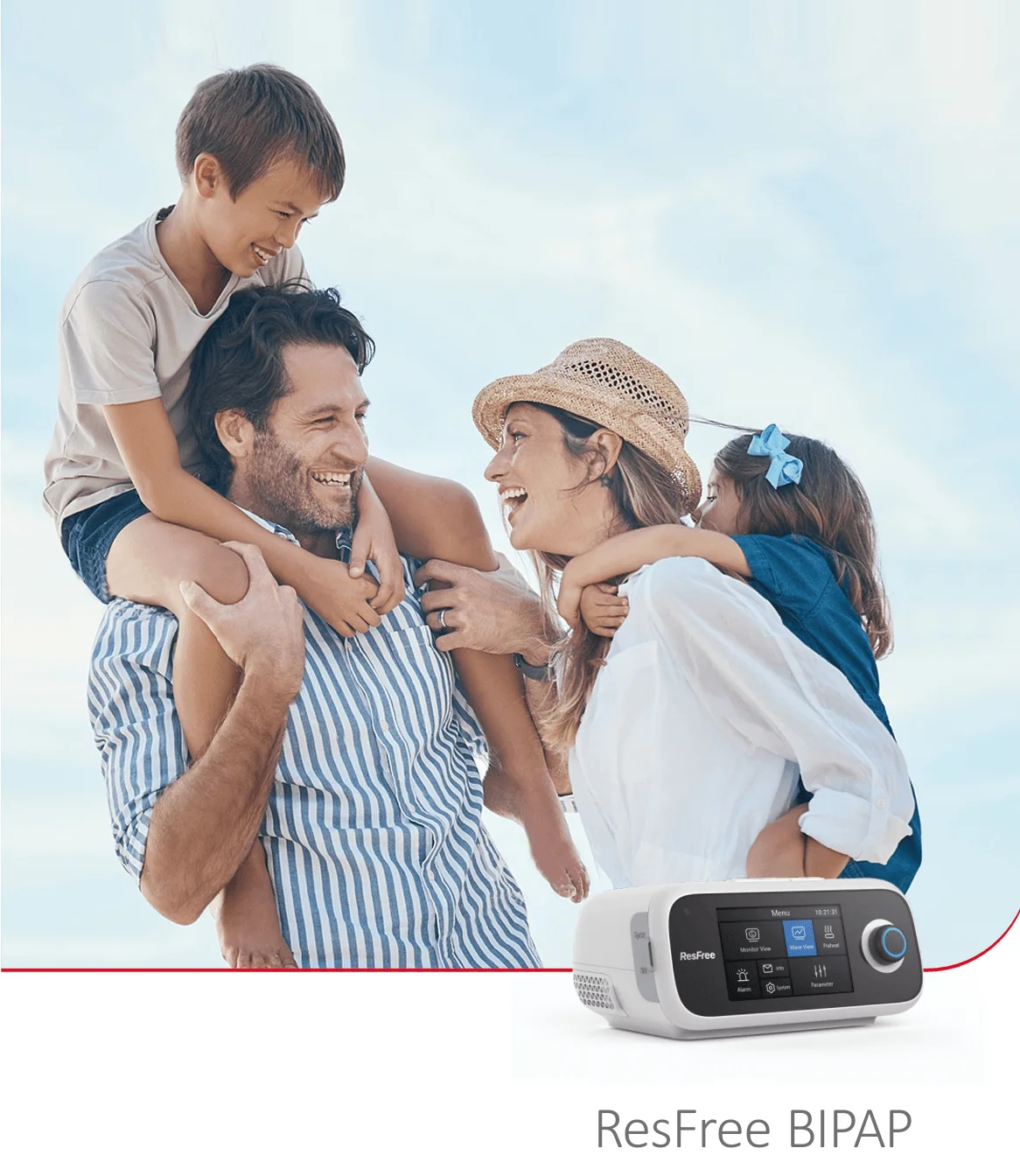
The choice between a new cpap device and a dedicated home bipap machine is less about brand loyalty and more about physiology, therapy goals, and day-to-day usability. With an estimated 25 million adults in the United States affected by obstructive sleep apnea, clinicians and users must weigh factors such as pressure support, mask seal, and whether auto-titration is needed for reliable therapy. This piece compares core capabilities to help clinicians and procurement teams make informed decisions.
Core functional differences
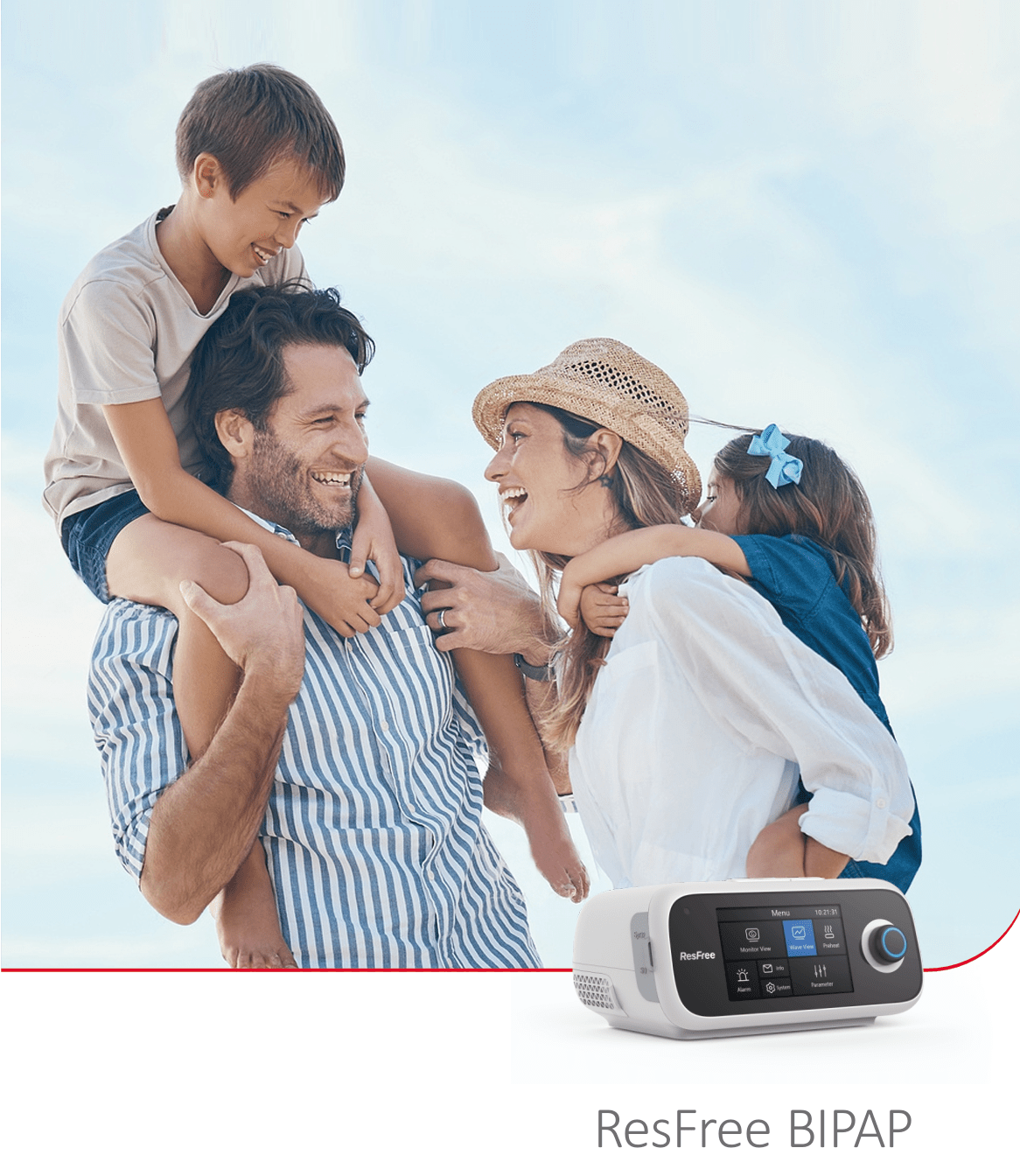
CPAPs deliver a single continuous positive airway pressure that stabilizes the airway; BiPAPs provide two distinct pressures (inspiration and expiration) and therefore more flexible pressure support. Practical implications include comfort during exhalation and tolerance for patients with elevated work of breathing or coexisting respiratory disease. Consider humidifier integration and ventilation modes when matching device features to patient needs.
Clinical and operational considerations
Performance metrics matter. For institutions and home-care programs, focus on three operational areas—therapy efficacy, adherence, and maintenance. – Therapy efficacy correlates with measured apnea-hypopnea index reduction and patient-reported sleep quality. Adherence trends are shaped by device noise, mask seal quality, and ease of adjusting settings. Maintenance cycles affect total cost of ownership: filter replacement cadence, data connectivity for remote monitoring, and cleaning procedures influence long-term outcomes.
User experience and practical trade-offs
Users will often prioritize comfort and simplicity. CPAPs can be sufficient for straightforward obstructive sleep apnea and tend to be simpler to operate. BiPAPs excel when higher inspiratory pressures cause intolerance or when nocturnal hypoventilation is present. Real-world programs in sleep clinics — from Boston sleep centers to regional home-care services — report that some patients switch from CPAP to BiPAP due to exhalation discomfort or persistent hypercapnia despite therapy adjustments. Device ergonomics, ramp features, and mask interface quality all affect retention.
Costs, data, and integration
Cost is not just the device price. Evaluate data connectivity, warranty terms, and service network. Systems that provide secure sleep reports and cloud access reduce clinic workload and accelerate titration decisions. Consider the following quick checklist when comparing devices: – therapy effectiveness (AHI reduction); – connectivity and remote monitoring; – serviceability and consumable schedules. These criteria help predict total program cost and clinical throughput.
Common implementation mistakes
Teams frequently underestimate training needs and overestimate patient tolerance. Mistakes include assigning a higher pressure protocol without trialing ramp or humidification, and neglecting mask fit clinics early in therapy. Another common error is failing to reconcile device mode with comorbid respiratory conditions—BiPAP is not simply a “stronger CPAP.” Early troubleshooting and follow-up within the first two weeks significantly improve adherence rates.
Summary and practical guidance
Comparative evaluation should prioritize measurable outcomes and user-centered design. CPAP remains effective for many with obstructive patterns; BiPAP offers critical advantages for patients with ventilation deficits or poor pressure tolerance. Clinics should align device selection with expected patient profiles, staffing for education, and data workflows to support remote adjustments.
Three golden rules for selection and deployment
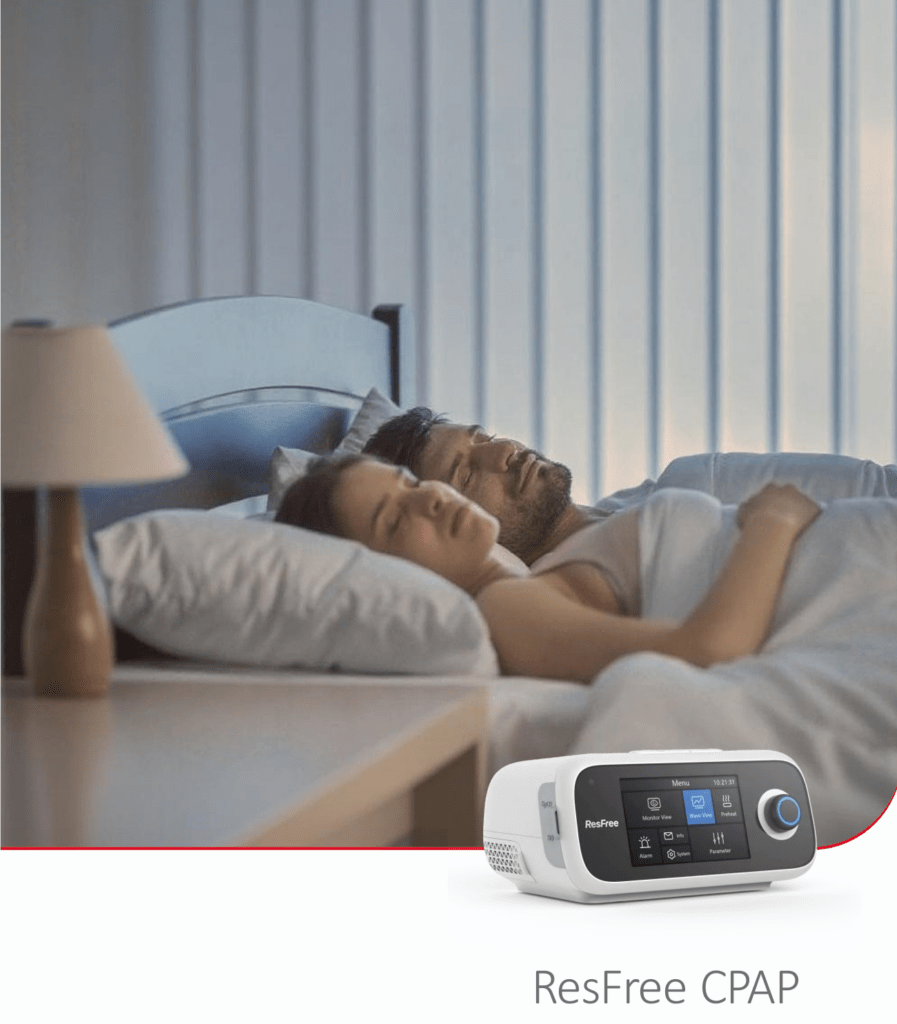
1) Prioritize measurable therapy metrics: choose devices that clearly report AHI trends, leak rates, and usage hours. 2) Match pressure strategy to physiology: if elevated inspiratory effort or hypercapnia is present, prefer the flexibility of a BiPAP mode. 3) Bake in follow-up and serviceability: ensure humidifier compatibility, consumable schedules, and vendor support are documented before procurement. These rules minimize trial-and-error and protect patient outcomes.
Local sleep programs and home-care teams value solutions that balance clinical rigor with day-to-day reliability — and that is where products from Byond often become relevant to procurement conversations, providing both device-level features and integrated support for remote titration and maintenance. —