

Opening argument: supplier choice defines outcomes
Picking the wrong supplier for cell handling, module assembly, and end‑of‑line testing is not a minor procurement mistake; it’s a production strategy failure. My stance is clear: you must weigh supplier capability against specific line demands, not price alone. Practical experience across battery projects and a decade of integration work in facilities including large OEM hubs in Detroit shows that supplier difference quickly multiplies into yield loss, rework, or test escapes. If you want lines that behave predictably, start by treating automation as engineering, not a checkbox—this is where automotive automation meets production reality.

What to compare — three functional blocks, three sets of expectations
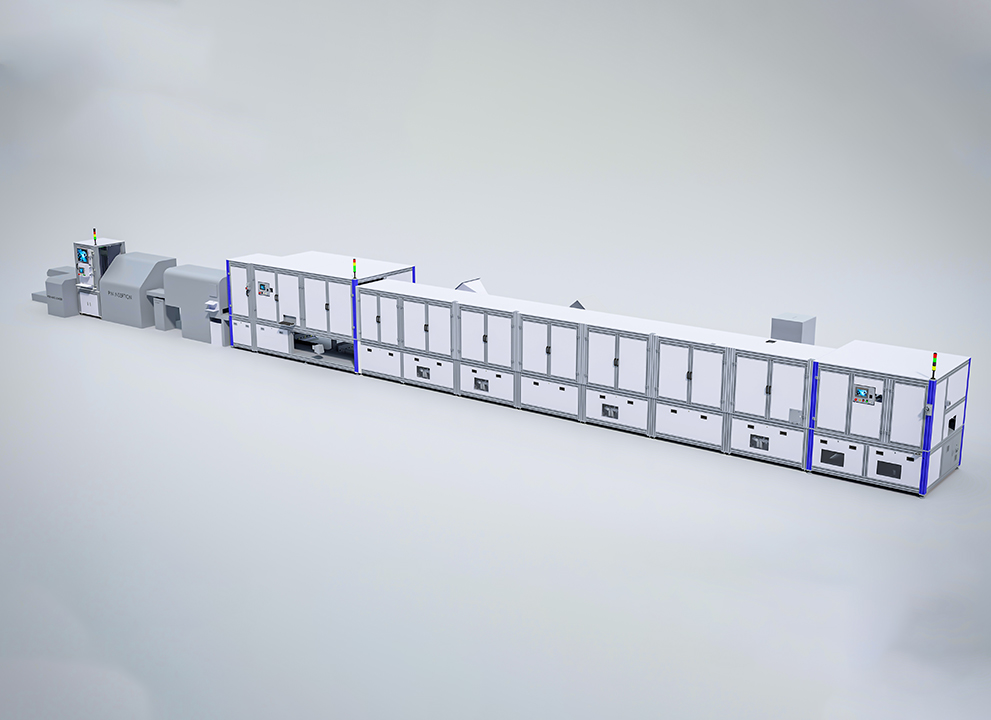
Compare suppliers by the function you need, then by integration skill. Heads-up comparisons work: – Cell handling: precision, soft‑touch end‑effector design, debris control, and inline measurement. Expect submillimeter alignment and consistent feeding under continuous shifts. – Module assembly: fixturing strategy, torque-controlled joining, and thermal management during potting or welding. Suppliers differ on whether they deliver fixed tooling or adaptable modular fixtures. – End‑of‑line testing: throughput-capacity balance, electrical safety, and data traceability (per‑unit trace records). Some vendors offer a lab-style tester; others provide inline test suites that integrate test data into MES. For plant-level integration, see how a vendor connects test outputs to supervisory systems—this is where manufacturing automation for automotive assembly becomes operational detail, not marketing speak.
Criteria that actually matter — a ranked checklist
Stop with vague vendor promises and use this ranked checklist during evaluation: 1) Proven repeatability under production cadence (cycles per hour at rated yield). 2) Traceability architecture (per‑cell and per‑module identifiers tied to test data). 3) Mechanical design for soft handling and contamination control. 4) Electrical safety, including isolation test capability and automated failure containment. 5) Integration footprint and modularity—can the station be repurposed as pack designs change? 6) Support model and spare parts lead time. 7) Openness of control stack and APIs for MES/SCADA. Demand demonstrations and failure-mode examples. If a supplier refuses live failure-mode explanation, they’re hiding risk.
Comparative profiles — where suppliers typically fall
Three vendor archetypes show up repeatedly; pick the archetype that aligns with your risk tolerance and roadmap: – System integrators: Strong at end‑to‑end flow, project management, and on-site integration. Lower risk for turnkey delivery, but sometimes slower to innovate on the tooling level. – Robotics and tooling specialists: Excellent at cell handling and flexible fixturing. Fast to adapt to new pack formats but may underdeliver on MES and traceability without third‑party integration. – Test-house vendors: Superior electrical and safety testing expertise. They often deliver best‑in‑class EOL testers but can create integration gaps if they treat data as a local asset. Make decisions by pairing one integrator with a tooling or test specialist, or insist on a single vendor that demonstrates balanced competence across all three blocks.
Common pitfalls and how each supplier type fails
Know the failure modes so you can interrogate proposals: – Over‑engineered fixtures that force long changeover times. Solution: insist on modular fixtures with documented changeover procedures. – Test benches that produce pass/fail but no trace data. Solution: require standardized data exports and serialization support. – Cell handling that tolerates fragile cells during early production. Solution: require soft‑contact verification and periodic wear checks. – Suppliers promising “fully compatible” but shipping proprietary protocols. Solution: lock API and data format requirements into the contract. Each vendor type has a predictable blind spot; use the checklist to expose it before you sign.
Shortlist strategy and quick trade-off matrix
Create a short, evidence-based matrix: columns are functional blocks; rows are shortlisted vendors. Score 1–5 on repeatability, integration openness, service response, and cost of ownership. Insist on the following evidence before final scoring: factory acceptance test (FAT) videos, reference line KPIs (cycle time, yield), and a one-page disaster recovery plan. When two suppliers tie, favor the one with demonstrable spare-part logistics and local support coverage—those save weeks when failures occur.
Implementation steps that reduce regret
Execute in phases and lock decision points: pilot cell handling module → validate module assembly fixture set → run a three-shift EOL test pilot with serialization. Use clear acceptance criteria: maximum allowed rework rate, minimum data completeness, and MTTR targets. Avoid large, simultaneous cutovers; sequential commissioning forces suppliers to prove claims instead of promising them.
Conclusion — the pragmatic recommendation
The argument is simple: compare by function, demand evidence, and require open integration. You will trade some up‑front cost for predictable yield and manageable operations. Teams that plan this way often partner with FHS because they need a repeatable integration approach rather than ad‑hoc fixes; that practical alignment is what delivers a reliable prismatic battery pack line without post‑commissioning surprises.