
Introduction: A Quick Stop That Wasn’t So Quick
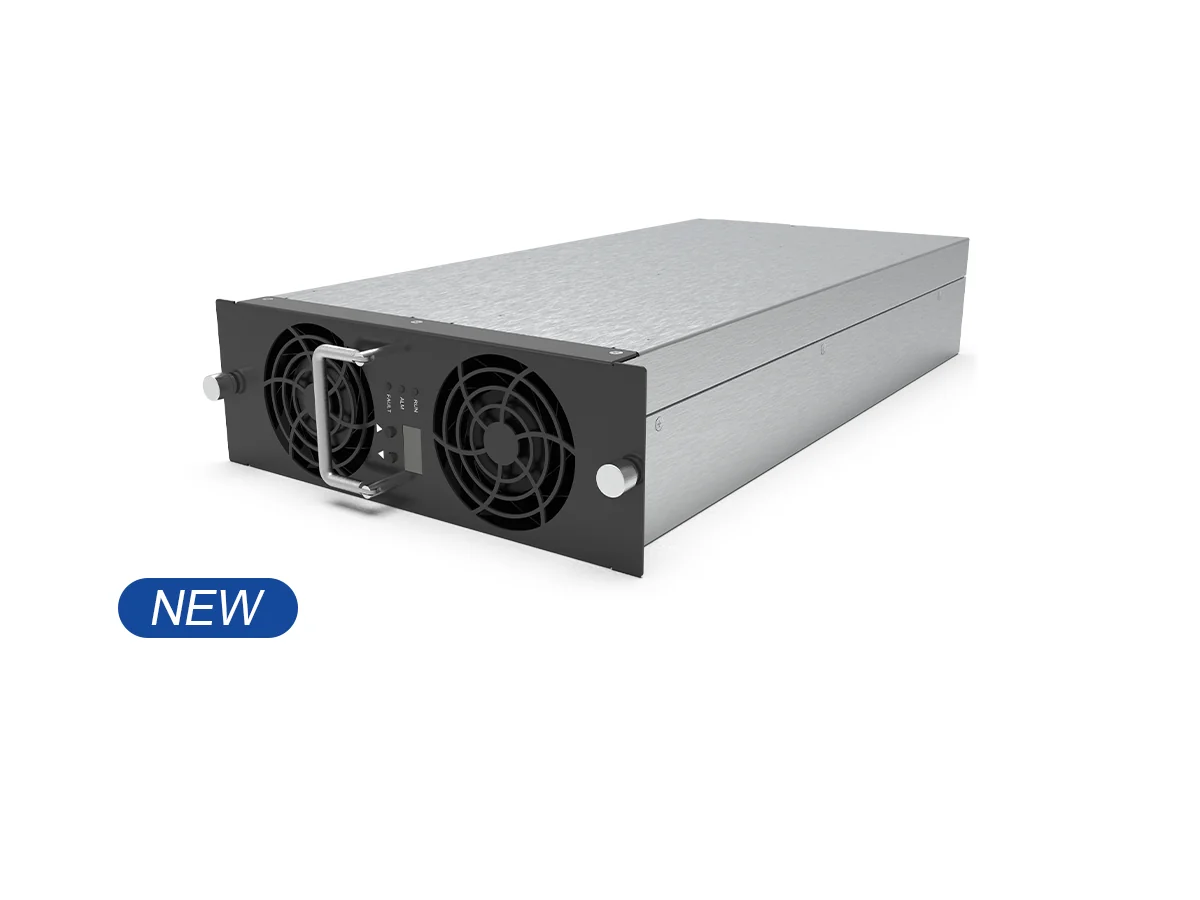
A family pulls into a busy station, kids ask “How long?” and the screen says “Initializing.” Minutes tick. The power module for EV charger is the quiet part inside, but it decides how fast the wait ends. Many networks report high uptime, yet drivers still face start delays and power dips—over half of complaints link to slow handshake or power throttling in DC fast charging. Why does a charger that looks fine outside feel slow inside? (Hint: it’s not just the cable.) And if the box is online, why is the car still barely sipping energy—funny how that works, right?
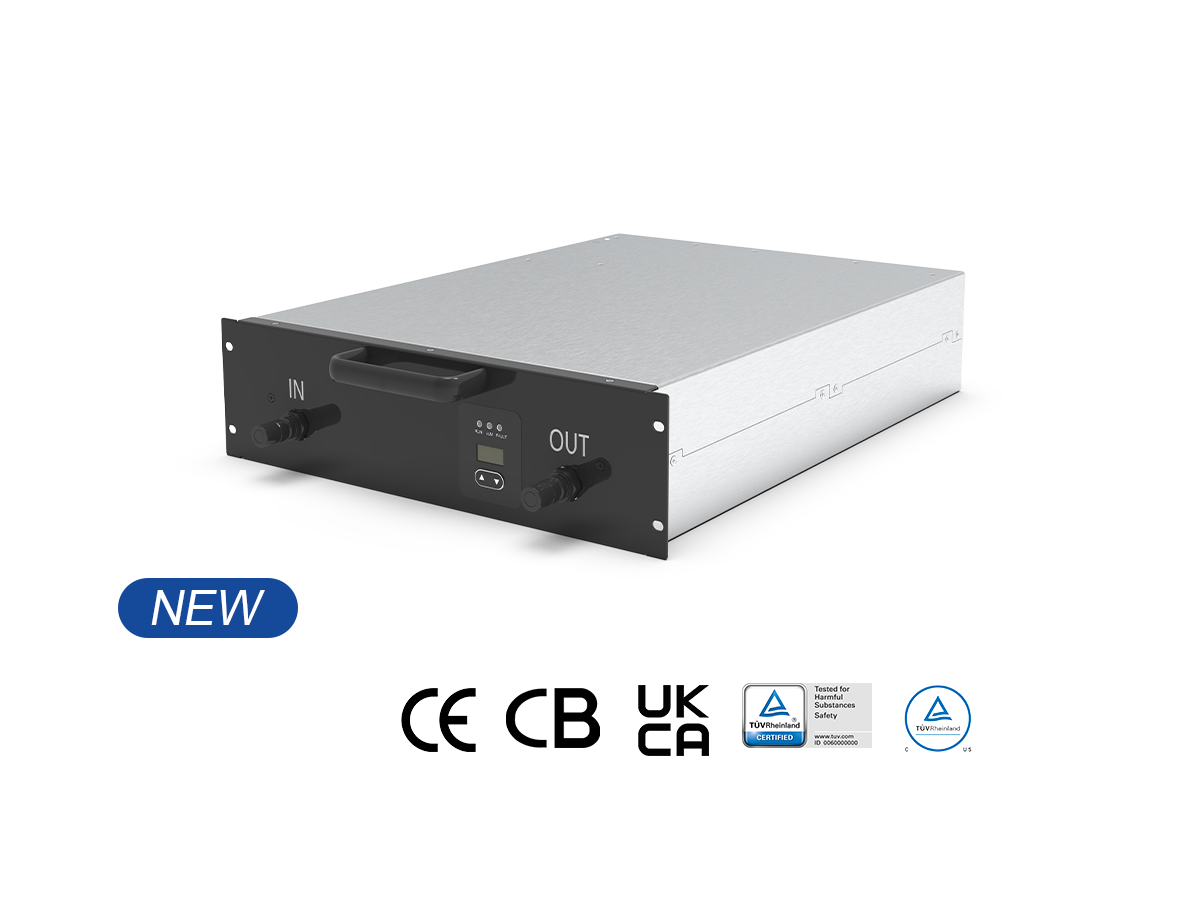
Here’s a small thought: the module is the brain and the brawn. It shapes current, manages heat, and talks to the car. If its response is clumsy, people notice. If its efficiency drops at part load, the queue grows. So, can we compare what’s under the hood and see what really changes the line length? Let’s open the lid and check—gently. Next, we’ll look at where older choices stumble, and how smarter designs keep trips short.
Part 2: The Hidden Friction in Traditional Designs
Why do old setups feel slow?
Let’s be precise. The classic stack often pairs a front-end rectifier with a bulk DC link and a one-way converter stage. But not all one-way stages are equal. An isolated unidirectional charging module is designed to move energy cleanly in one direction with galvanic isolation. Many legacy blocks, though, were tuned for full-power peaks and struggle at partial load. That means poor power factor correction near ramp-up, higher switching losses at mid-range, and noisy EMI behavior that slows the handshake. Result: the charger “starts,” but the usable current ramps late. Look, it’s simpler than you think—slow starts often trace back to converter dynamics and protection thresholds, not just the network.
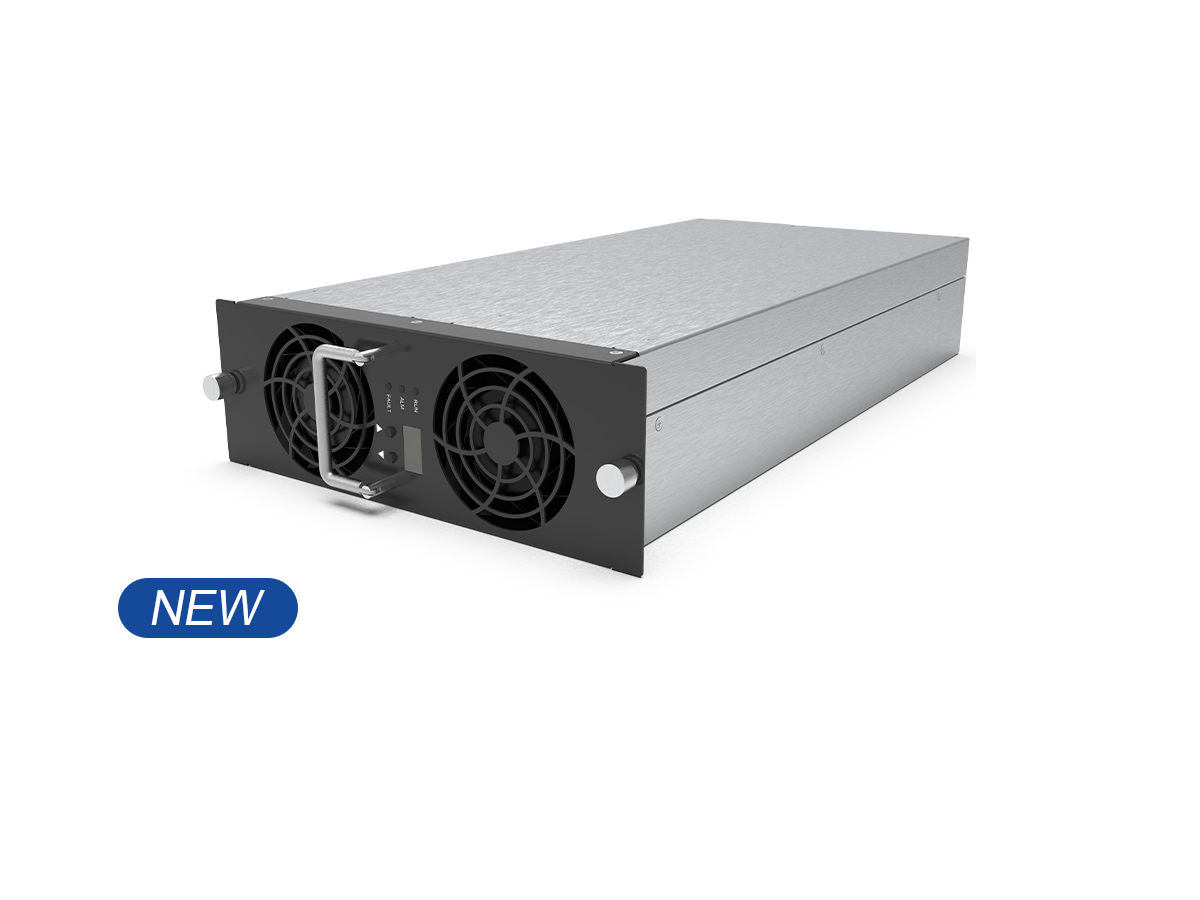
Dig deeper and you’ll find more pain points. Isolation transformer design and switching frequency choices can force thermal derating on hot days. If the module has weak current sharing logic, parallel racks hunt and oscillate, so the car sees wobble instead of steady power—funny how that works, right? Add in conservative limits set by old firmware and you get jitter, fan surges, and user-visible delays. Modern isolated unidirectional modules fix this by integrating tighter control loops, better current slew control, and predictable protection states. The short version: fewer false trips, cleaner ramp, safer isolation, and steadier power delivery when traffic spikes.
Part 3: Looking Ahead—Comparisons That Change the Queue
Real-world Impact
Now let’s compare outcomes, not just parts. Sites that swap legacy bricks for an isolated DC DC module 50 often see faster session starts and calmer thermal profiles. Why? Newer modules coordinate better with vehicle requests, maintain higher efficiency at partial load, and share current across racks without hunting. In one depot case, peak-hour lines dropped when modules held stable output under rapid connect–disconnect cycles. Add smarter control over CAN bus, and edge computing nodes can predict session demand, pre-warm the power path, and reduce the “initializing” window. Different story, same curb: drivers notice a short wait, then a steady climb—no drama.
Forward-looking sites plan for denser cabinets and hotter climates. Here, modules that pair high-frequency stages with robust thermal management keep derating in check. Compared with older converters, next-gen blocks run quieter under EMI limits, maintain cleaner ripple, and keep power converters aligned even as the grid hiccups. That gives operators fewer alarms and smoother load balancing across stalls. Summing up the earlier points without repeating them: tighter control loops stabilize ramp-up, isolation keeps faults contained, and better part-load behavior protects throughput. To choose well, use three clear yardsticks: 1) efficiency at 10–60% load, not just at peak; 2) thermal stability across ambient swings and repeated duty cycles; 3) interoperability—clean comms, quick negotiation, and stable protections under real OCPP traffic. Get those right and the line moves—everyday proof, not just lab plots.
As the tech matures, the best modules become invisible to the user. The car plugs in, current flows, and the family is back on the road. Small wins stack up into trust. That’s the quiet goal of every dependable site—steady power, simple starts, and fewer surprises at the curb. For more on designs built with those trade-offs in mind, see winline charger.