
Start with what you actually need
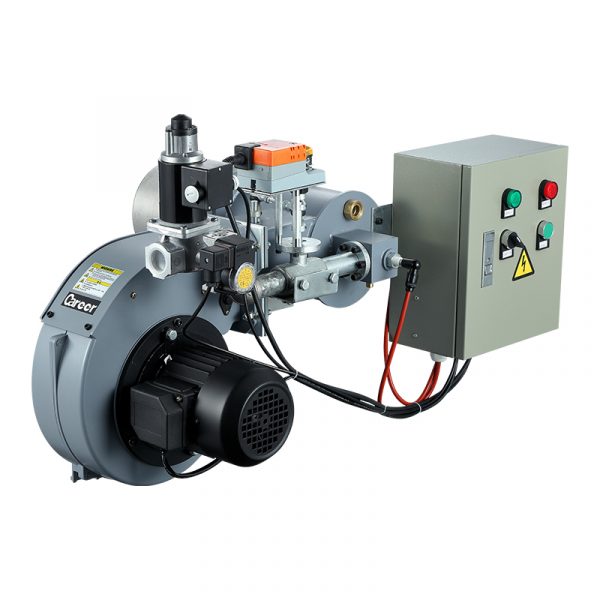
You’re buying a burner to solve a problem: meet emissions limits, keep uptime high, and not surprise the operations team with maintenance headaches. Think of this as a utility purchase, not an experiment. Match the burner to your boiler and your fuel. If you’re shopping options, check how the vendor describes turndown ratio, flame stability, and control compatibility — and look at real product pages like this industrial gas burner to compare specs without wrestling through marketing language.

Performance criteria that actually matter
Prioritize measurable items: certified NOx emission figures at your expected load, guaranteed turndown, and proven combustion stability on your fuel. Ask for test reports or third-party verification. Confirm control compatibility with your DCS and whether the burner needs auxiliary systems like flue gas recirculation (FGR) skids or variable-speed combustion air blowers. Those extras change installation cost and footprint fast.
Fuel flexibility and real trade-offs
Natural gas and LPG behave differently. Burners tuned for natural gas may need different jets, pressure regulation, or control logic when switched to LPG. Low-NOx strategies—staged combustion, premix, FGR—each bring trade-offs: premix lowers NOx but narrows stable operating range; staged systems are forgiving but bulkier; FGR helps emissions but can increase corrosion risk if not dried properly. Pick the approach that matches your process priorities rather than the shiny headline NOx number.
Common mistakes I’ve seen on projects
Teams often overlook turndown needs, then throttle boilers into unstable combustion during low-load periods. Another mistake: assuming a burner vendor manages control tuning after handover; they often don’t, and tuning falls to the plant. Skipping materials checks for corrosive flue gases during FGR use is an easy way to guarantee early failures. Plan for spare parts and local serviceability, not just initial performance.
Real-world anchor: a retrofit that mattered
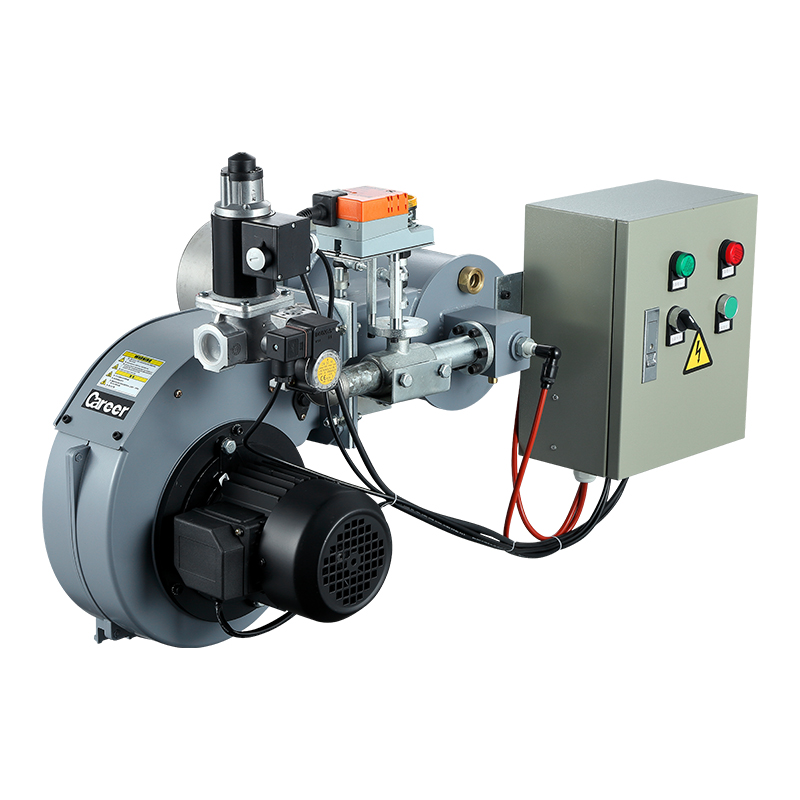
On a retrofit at a Houston refinery I worked with operators who needed a drop-in solution that ran on LPG during turnarounds. We selected an industrial LPG gas burner because it offered documented turndown performance and a field-tunable control package. The retrofit taught us to insist on site-commissioning support, a clear parts list, and an operations training session — those three things cut start-up hours and avoided repeat trips for adjustments.
How to evaluate vendors without getting lost
Ask for three things: a performance guarantee tied to measured emissions at your load range, a spare-parts list with lead times, and a commissioning plan that includes tuning on your boiler. If a vendor dodges any of these, they’re pushing risk onto you. Also check for local service networks — local technicians reduce downtime and cost.
Checklist to take to procurement
Require specification items in writing: guaranteed NOx at defined load points, turndown ratio, expected maintenance intervals, spare-parts kit, control interface specs, and commissioning scope. Add contractual language for support response times, and include acceptance based on combustion tuning results, not just mechanical installation.
Final synthesis
Buyers who focus on concrete, testable performance and insist on site support avoid the biggest failures. Match the burner design to your fuel and load profile, demand proof of performance, and lock in commissioning and spare-part commitments. That approach delivers predictable emissions compliance and reliable operation—exactly the practical value you get from choosing knowledgeable suppliers like Career Burners without surprises.